


In the global embroidery industry, thread breakage is rarely viewed as a simple technical inconvenience. For manufacturers, exporters, designers, and factory owners, every broken thread represents lost production time, increased labor costs, machine downtime, quality risks, and delayed shipments. In an era where fashion cycles move faster than ever and international buyers expect precision, understanding how to prevent thread breakage has become an operational necessity rather than a maintenance task.
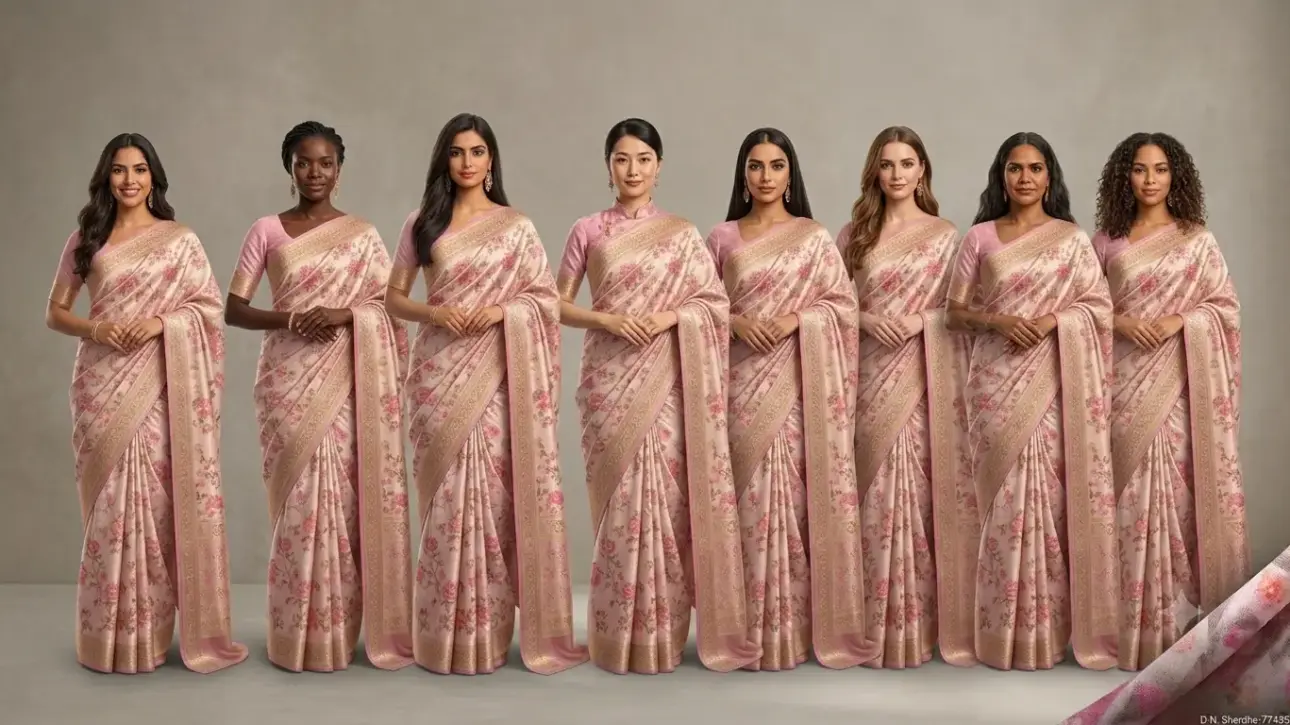
Industry publications such as Vogue, Harper’s Bazaar, Forbes, Business Insider, BOF (Business of Fashion), WGSN, Textile Today, Fibre2Fashion, and market intelligence platforms like Statista frequently highlight the growing demand for premium embroidered textiles across bridal wear, luxury fashion, and contemporary apparel. Fashion institutes including FIT, Parsons School of Design, NIFT, and Istituto Marangoni have also contributed to the conversation around craftsmanship and advanced textile manufacturing.
How to Prevent Thread Breakage in High-Speed Machine Embroidery
For embroidery factories in Surat, Istanbul, Milan, Guangzhou, New York, London, Dubai, and emerging manufacturing hubs across Southeast Asia, maintaining uninterrupted machine performance directly influences profitability. Buyers sourcing through Alibaba, Etsy, IndiaMART, TradeIndia, and Amazon Business increasingly evaluate suppliers not only by design capability but by production consistency and defect rates.
Understanding Why Thread Breakage Happens in High-Speed Embroidery
Modern embroidery machines can operate between 800 and 1,200 stitches per minute, while some industrial systems exceed these speeds. At such production rates, even a minor imbalance can cause repeated thread failures.
Common causes include:
- Poor thread quality
- Incorrect thread tension
- Damaged needles
- Improper embroidery digitizing
- Excessive stitch density
- Incompatible fabric structures
- Low-quality stabilizers
- Machine maintenance issues
- Environmental humidity fluctuations
Professional manufacturers treat thread breakage as a systems problem where thread, needle, fabric, machine, operator, and design file work together.


Choosing the Right Embroidery Thread for Industrial Production
The quality of embroidery thread significantly affects machine performance. Premium polyester embroidery threads are widely preferred for high-speed operations because of their tensile strength, abrasion resistance, and colorfastness.
Popular industrial yarn options include:
- 120D/2 Polyester Filament
- Trilobal Polyester
- Rayon Embroidery Thread
- Cotton Embroidery Thread
- Metallic Specialty Thread
Bulk buyers often examine:
- Yarn uniformity
- Twist consistency
- Lubrication quality
- Breaking strength
- Color stability
- Cone winding quality
Factories exporting luxury garments often perform laboratory testing before approving production lots.


The Relationship Between Fabric Structure and Thread Performance
Different fabrics react differently under embroidery stress.
Lightweight chiffon may require lower stitch density, while heavier jacquards and structured polyester bases can accommodate more aggressive embroidery patterns.
Technical factors include:
- Fabric GSM
- Warp and weft balance
- Yarn count
- Stretch characteristics
- Surface texture
- Shrinkage behavior
Many premium manufacturers combine embroidery testing with fabric quality control to reduce defects before bulk production.
Suggested sourcing references:
- Beaded Embroidery Fabric
- Embroidered Fabric
- Printed Fabric
- Pure Plain Dyed Fabrics
- Plain Fabric Wholesale
- Jacquard Fabric
- Position Printed Fabric
- Polyester Fabric
Needle Selection and Machine Compatibility
A damaged or incorrectly selected needle often creates unnecessary friction.
Industrial embroidery operations typically match needle type with thread and fabric:
- Ball Point Needles
- Sharp Needles
- Titanium Coated Needles
- Metallic Thread Needles
Needle replacement schedules are standard practice in high-volume factories because microscopic wear can damage thousands of meters of thread before visible defects appear.
Embroidery Density and Digitizing Quality
Many embroidery failures originate long before production starts.
Poor digitizing can create:
- Excessive stitch overlap
- Short stitches
- Sudden direction changes
- High friction zones
- Thread buildup
Professional digitizers optimize:
- Satin stitches
- Fill stitches
- Running stitches
- Underlay patterns
- Pull compensation
Luxury brands and export-oriented manufacturers invest heavily in experienced digitizing teams because optimized files improve speed and reduce wastage.
Machine Maintenance as a Production Strategy
Successful embroidery factories treat preventive maintenance as an investment.
Daily checks include:
- Thread path cleaning
- Hook lubrication
- Tension inspection
- Bobbin quality
- Needle condition
- Sensor calibration
Weekly maintenance often includes deeper inspections of rotary hooks, belts, motors, and electronic controls.
Factories with disciplined maintenance schedules generally experience fewer production interruptions and stronger buyer confidence.
Climate, Geography, and Buyer Psychology
Climate influences embroidery production more than many buyers realize.
High humidity may affect thread lubrication, while extremely dry environments can increase static electricity.
Indian manufacturers often understand seasonal moisture variation due to monsoon cycles, while European buyers may focus on climate-controlled production environments.
Global buyers increasingly ask about factory quality systems because consistency across seasons reduces sourcing risks.
Bridal Wear and Luxury Embroidery Standards
Bridal fashion remains one of the strongest drivers of premium embroidery demand.
Across South Asia, the Middle East, Europe, and North America, wedding garments often feature:
- Sequins
- Beadwork
- Zardozi-inspired details
- Floral motifs
- Metallic embroidery
- Layered lace structures
These applications require extremely stable thread performance because repairs are expensive and time-consuming.
Popular bridal colors differ by region, but craftsmanship remains universally important.
Partywear and Evening Fashion Trends
Eveningwear collections increasingly combine machine embroidery with printed and textured fabrics.
Fashion markets often favor:
- Black and gold combinations
- Ivory and champagne palettes
- Deep jewel tones
- Contemporary geometric motifs
- Floral surface embellishment
High-speed embroidery enables designers to scale complex looks while maintaining production efficiency.
How Garment Manufacturers and Exporters Reduce Production Risks
Large apparel manufacturers evaluate embroidery suppliers through practical indicators:
- Quality control systems
- Production capacity
- Sampling accuracy
- Delivery reliability
- Defect rates
- Export documentation
- Technical support
International wholesalers and sourcing agencies increasingly prefer suppliers capable of handling both sampling and bulk manufacturing.
Mini Case Study:
A boutique fashion label preparing a premium bridal capsule collection required embroidered fabrics for multiple markets. Early production experienced repeated thread failures due to excessive stitch density and unsuitable thread selection. After redesigning the embroidery file and changing to a stronger polyester thread, machine downtime was significantly reduced, improving delivery schedules and production efficiency.
B2B Sourcing, MOQ Expectations, and Global Trade
Professional buyers usually balance three priorities:
- Consistent quality
- Flexible MOQ
- Reliable logistics
Small designers often require limited quantities for prototyping, while factories and wholesalers prioritize bulk pricing and long-term supply partnerships.
Marketplaces such as Alibaba, Etsy, IndiaMART, TradeIndia, and Amazon Business have expanded sourcing opportunities, but many buyers increasingly prefer working directly with manufacturers to improve quality control and communication.
Custom manufacturing projects also involve:
- Sampling approvals
- Production timelines
- Packaging standards
- Export compliance
- Fabric testing
- Color matching
- Documentation
Why FabricDiary and Madhav Fashion Appeal to Global Buyers
The global textile market increasingly values suppliers who can support both emerging designers and large-scale production.
For smaller quantities, designer sampling, and global swatch requirements, FabricDiary provides a flexible approach suitable for boutiques, independent labels, and product development teams.
For bulk manufacturing, factory pricing, and export-oriented supply, Madhav Fashion in Surat represents the type of integrated manufacturer that international buyers often seek for long-term sourcing relationships.
Preventing thread breakage in high-speed machine embroidery is not achieved through a single adjustment. It requires an integrated understanding of thread engineering, fabric science, machine maintenance, embroidery digitizing, quality control, and supply chain management.
As global demand for embroidered fashion continues to expand, manufacturers who invest in technical excellence and reliable sourcing practices will remain better positioned to serve designers, wholesalers, importers, and fashion brands across international markets.
FAQ
Can international buyers import embroidered fabrics in small quantities?
Yes. Many manufacturers and sourcing platforms support small trial orders before bulk production.
Do suppliers provide worldwide shipping?
Many export-oriented companies offer international shipping with tracking and documentation support.
What is the typical MOQ for embroidered fabrics?
MOQ varies by product and customization level, though many suppliers now accommodate both small and bulk orders.
Are samples available before large production runs?
Yes. Sampling is a standard practice for quality verification and design approval.
Which fabrics perform best for machine embroidery?
Polyester, jacquard, plain dyed fabrics, premium woven bases, and selected blended textiles are commonly used.
Which payment methods are generally accepted in international textile trade?
Wire transfer, LC, online payment gateways, and other internationally recognized methods are commonly used.
Can embroidery designs be customized?
Yes. Many manufacturers support custom embroidery patterns, motifs, colors, and fabric developments.