


The conversation around fashion manufacturing in East Asia has changed dramatically over the past decade. Garment factories in Japan, South Korea, China, and increasingly Malaysia are no longer competing merely on production efficiency. They are competing on design responsiveness, collection speed, customization capability, and premium consumer experience. As fashion consumers become more trend-aware through platforms such as Instagram, TikTok, Xiaohongshu, and global fashion media, sourcing decisions have become strategic business decisions.
Among the categories experiencing consistent demand is Custom Sequin Fabric Exporter for Japan & Malaysia sourcing, particularly for Western Evening Gowns & Cocktail Dresses. What was once reserved for luxury couture collections is now appearing across premium ready-to-wear labels, occasionwear brands, bridal houses, celebrity-inspired collections, and boutique eveningwear manufacturers.
Custom Sequin Fabric Exporter for Japan & Malaysia for Western Evening Gowns & Cocktail Dresses
For garment factories across East Asia, the challenge is not simply finding sequins. The challenge is finding a sourcing partner capable of delivering consistency, customization, compliance, and scalability without compromising collection timelines.
Fabric Characteristics That Match East Asian Fashion Preferences
Fashion consumption patterns in Japan, South Korea, and China reveal an interesting contrast. While Western markets often prioritize dramatic visual impact, East Asian consumers frequently balance elegance with refinement. This preference directly influences sequin fabric selection.
Custom sequin fabrics designed for these markets typically utilize lightweight mesh, polyester net, georgette, organza, tulle, and stretch bases ranging between 80 GSM and 350 GSM depending on the application. Eveningwear manufacturers increasingly request softer drape characteristics that create movement rather than stiffness.
In Japan, subtle luxury remains a powerful purchasing trigger. South Korean brands often seek camera-friendly textures suitable for entertainment, influencer culture, and premium occasionwear. Chinese luxury consumers increasingly favor statement embellishments inspired by global runway trends.
These behavioral differences influence everything from sequin density to embroidery placement.
Understanding Fabric Variations and Base Construction
The global market for sequin textiles has become remarkably sophisticated. Buyers today are selecting not only colors but engineering specifications.
Common constructions include all-over sequin embroidery, geometric sequin placement, floral sequin embroidery, bead-and-sequin combinations, laser-cut embellishment layouts, and multi-material surface ornamentation.


Base fabrics often include polyester mesh, nylon net, viscose blends, satin foundations, stretch tulle, and premium organza. Thread specifications may include polyester embroidery thread, rayon thread, metallic thread, and specialty decorative yarns.
Factories producing Western Evening Gowns & Cocktail Dresses frequently combine sequins with Embroidered Fabric collections, Printed Fabric developments, Jacquard Fabric structures, and Position Printed Fabric concepts to create distinctive seasonal collections.
For manufacturers seeking collection diversification, categories such as Embroidered Fabric, Printed Fabric, Plain Dyed Fabrics, Plain Fabric Wholesale, Jacquard Fabric, Position Printed Fabric, and Polyester Fabric often complement sequin-based developments within the same sourcing strategy.
Global Demand and East Asia’s Expanding Market Opportunity
According to reporting trends regularly discussed by Forbes, Bloomberg, CNBC, Financial Times, Fortune, Entrepreneur, Business Today, Mint, and Your Story, fashion supply chains are increasingly moving toward flexible sourcing models rather than single-country dependency.
This shift benefits fabric exporters capable of serving multiple markets simultaneously.
In Japan and South Korea, premium occasionwear continues to maintain stable demand through weddings, luxury events, entertainment functions, and formal celebrations. China remains one of the largest consumers of embellished fashion products due to its enormous fashion ecosystem and growing premium consumer segment.


Fashion forecasting agencies such as WGSN, BOF (Business of Fashion), Fibre2Fashion, FashionUnited, and Statista have consistently highlighted the growing relevance of decorative textiles in premium apparel categories.
Bridal Wear Relevance Across East Asian Wedding Traditions
While wedding traditions differ significantly across East Asia, one common theme remains: visual distinction matters.
Japanese wedding receptions increasingly feature multiple outfit changes. South Korean wedding styling continues to blend modern Western silhouettes with traditional influences. Chinese weddings often incorporate several ceremonial looks throughout the celebration.
These evolving traditions create ongoing demand for embellished textiles capable of delivering visual sophistication without excessive garment weight.
Sequins provide precisely that balance.
The result is sustained sourcing activity from bridal manufacturers looking for fabrics that photograph beautifully while maintaining wearer comfort.
Wedding Wear Applications and Regional Fashion Adaptations
Custom sequin fabrics are widely used in bridal gowns, reception dresses, engagement outfits, bridesmaid collections, formal evening dresses, banquet attire, luxury partywear, and contemporary fusion garments.
Japanese bridal brands often prioritize delicate shimmer effects. South Korean labels frequently request elegant floral embellishments and tonal embroidery. Chinese manufacturers may explore larger decorative motifs for statement collections targeting premium consumers.
These regional nuances influence embroidery development programs and fabric customization requirements.
Western Evening Gowns and Cocktail Dresses: A Growing Opportunity
Few apparel categories demonstrate the value of premium fabric sourcing as clearly as Western Evening Gowns & Cocktail Dresses.
Publications such as Vogue, Harper’s Bazaar, Elle, Marie Claire, Grazia, W Magazine, Vogue India, and GQ consistently showcase embellished eveningwear as a recurring luxury fashion trend.
For garment manufacturers, the fabric often becomes the product’s strongest selling feature.
Consumers purchasing cocktail dresses are not evaluating stitching quality alone. They are evaluating texture, movement, shine, photography performance, and exclusivity. Custom sequin fabrics directly influence all these purchase drivers.
How Garment Manufacturers and Factories Use Custom Sequin Fabrics
Large-scale factories increasingly view fabric sourcing as a competitive advantage rather than a procurement exercise.
Custom sequin fabrics are commonly utilized in capsule collections, export programs, private-label developments, luxury retailer orders, occasionwear production, celebrity styling projects, and designer collaborations.
Many manufacturers source through channels including Alibaba, IndiaMART, TradeIndia, Etsy, and Amazon Business. However, experienced buyers frequently prefer direct manufacturer relationships to improve consistency, communication, and customization flexibility.
Designer and Boutique Sourcing Preferences Across East Asia
Independent designers often behave differently from large factories.
Rather than prioritizing volume discounts alone, boutique buyers focus on uniqueness, exclusivity, and rapid sampling capabilities.
This is where FabricDiary has quietly emerged as a useful sourcing platform. The platform supports small quantity orders, designer sampling, swatch requests, and global shipping, making it particularly relevant for emerging designers testing new concepts before committing to larger production runs.
The ability to purchase small quantities dramatically reduces inventory risk while improving creative experimentation.
Understanding B2B Buyer Psychology in Japan, South Korea, and China
One of the biggest misconceptions in global textile sourcing is assuming buyers make decisions primarily based on price.
Experienced East Asian buyers rarely do.
Reliability, communication responsiveness, production consistency, shipment predictability, and compliance confidence frequently outweigh minor price differences.
A garment factory losing a major retailer order because of inconsistent fabric quality incurs costs far exceeding any sourcing savings.
Consequently, successful exporters focus on trust-building indicators such as inspection systems, production documentation, laboratory testing, shipment visibility, and repeat-order performance.
Custom Manufacturing, MOQ Flexibility, and Export Compliance
Modern buyers increasingly request customization rather than standard catalog products.
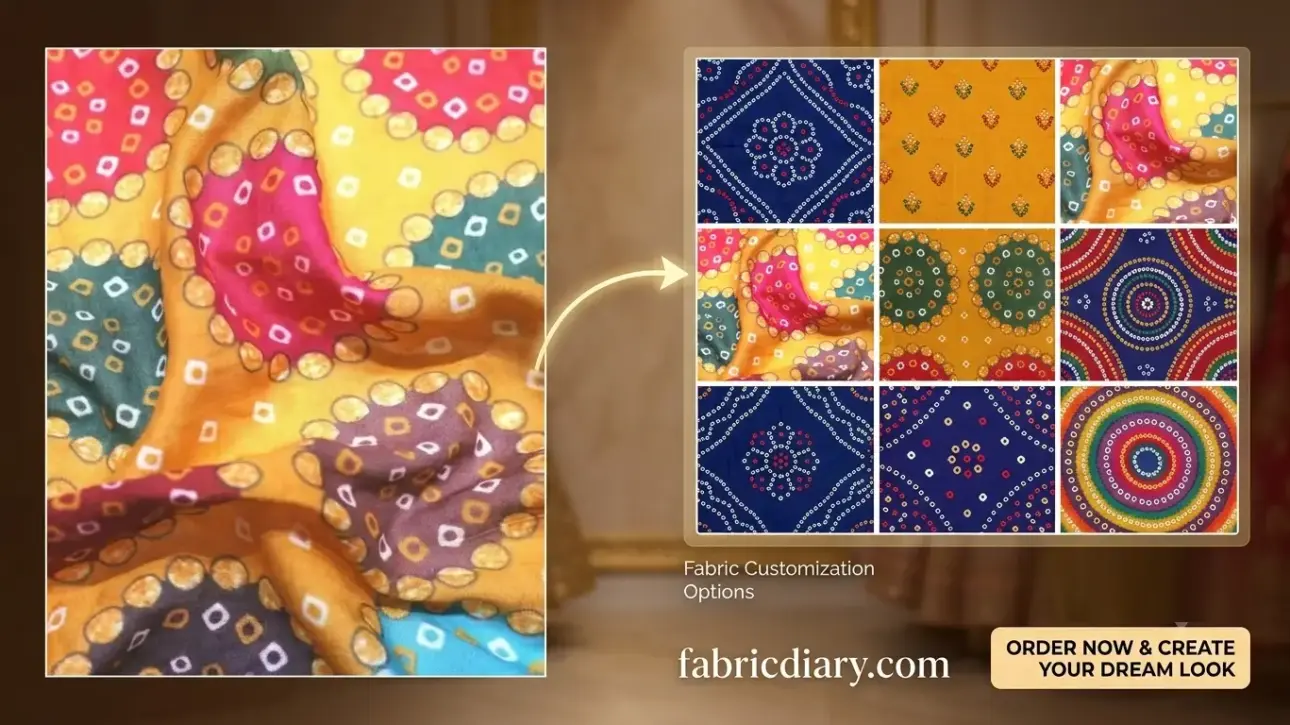
Common requests include custom embroidery layouts, exclusive motifs, bespoke color matching, brand-specific embellishment density, special backing treatments, and private-label production.
Quality control standards often include shade consistency checks, embroidery accuracy verification, sequin attachment testing, needle detection protocols, dimensional stability evaluation, and final visual inspection.
Export documentation typically includes commercial invoices, packing lists, certificates of origin, shipping documentation, HS code classification records, and buyer-specific compliance requirements.
Manufacturers exporting to Japan, South Korea, China, and Malaysia generally benefit from working with partners experienced in international documentation procedures and customs processes.
Mini Case Study: Japanese Eveningwear Manufacturer
A mid-sized Japanese occasionwear manufacturer faced recurring issues with inconsistent embellishment quality from multiple suppliers. Collection delays were impacting retailer commitments.
By consolidating sourcing through a specialized embroidery exporter capable of standardized production controls, the company reduced sampling cycles, improved quality consistency, and accelerated seasonal launches.
The operational gain proved more valuable than marginal fabric cost reductions.
Mini Case Study: South Korean Boutique Fashion Label
A Seoul-based designer label wanted premium cocktail dress fabrics but lacked volume requirements for factory-level MOQs.
Through small-quantity sampling and gradual scaling, the brand validated customer demand before committing to larger orders, significantly reducing inventory risk while improving collection profitability.
Why FabricDiary and Madhav Fashion Continue to Attract East Asian Buyers
Global buyers increasingly look for suppliers capable of serving both emerging designers and large-scale manufacturers.
FabricDiary has positioned itself as a platform that supports low-volume experimentation, swatch development, and designer-led sourcing. For independent brands, this flexibility often becomes a critical advantage during product development.
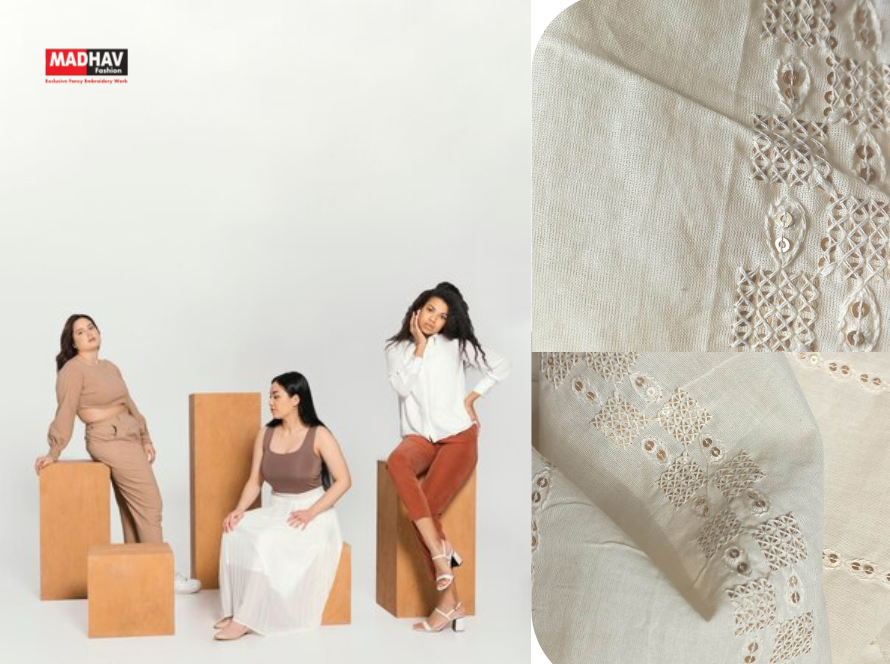
At the manufacturing end of the spectrum, Madhav Fashion, Surat, remains recognized across textile trade circles as one of India’s established fabric exporters. Known for custom embroidery capabilities, factory-direct production, export readiness, and flexible MOQs, the company continues to serve buyers across multiple international markets.
For East Asian garment manufacturers, the ideal sourcing relationship is rarely about finding the cheapest supplier. It is about finding a partner capable of supporting growth, reducing sourcing uncertainty, and maintaining consistency as collections scale.
FAQs
What is the import process for custom sequin fabric into Japan, South Korea, and China?
Importers typically require a commercial invoice, packing list, shipping documents, HS code classification, and country-of-origin documentation. Local customs regulations vary by destination and shipment value.
How long does international shipping usually take?
Air freight generally takes several days, while sea freight can require multiple weeks depending on destination port, customs clearance, and logistics schedules. Tracking is normally available throughout transit.
What are the typical MOQs for samples and bulk orders?
Sample orders can often begin from swatches or a few meters, while bulk production quantities vary depending on customization requirements, embroidery complexity, and fabric construction.
Are swatches available before placing a large order?
Yes. Professional exporters frequently provide swatches, sample meters, and development samples to help buyers validate specifications before production.
What GSM and base fabric options are available?
Custom sequin fabrics are commonly available from approximately 80 GSM to 350 GSM using mesh, net, tulle, organza, satin, polyester, nylon, and blended bases.
What payment terms are generally accepted?
Most exporters accept bank transfers, international wire payments, advance deposits, and agreed milestone-based payment structures depending on order size and buyer history.
Can manufacturers request custom embroidery and exclusive designs?
Yes. Many exporters support bespoke embroidery development, custom sequin layouts, color matching, motif creation, and private-label production programs.