


Luxury bridal fashion has always functioned as a cultural mirror. Every era leaves its signature on wedding attire: Victorian lace, French tulle, Mughal zardozi, Japanese silk minimalism, Middle Eastern crystal couture, and now, the renewed global fascination with pearl embroidery fabrics for elegant wedding gowns. Across couture ateliers in Paris, bridal showrooms in Dubai, designer studios in Mumbai, and boutique wedding labels in New York, pearl-embellished textiles have evolved from ornamental surfaces into emotional storytelling materials. Buyers are no longer sourcing fabric merely for garment construction; they are sourcing symbolism, tactile richness, and visual memory.
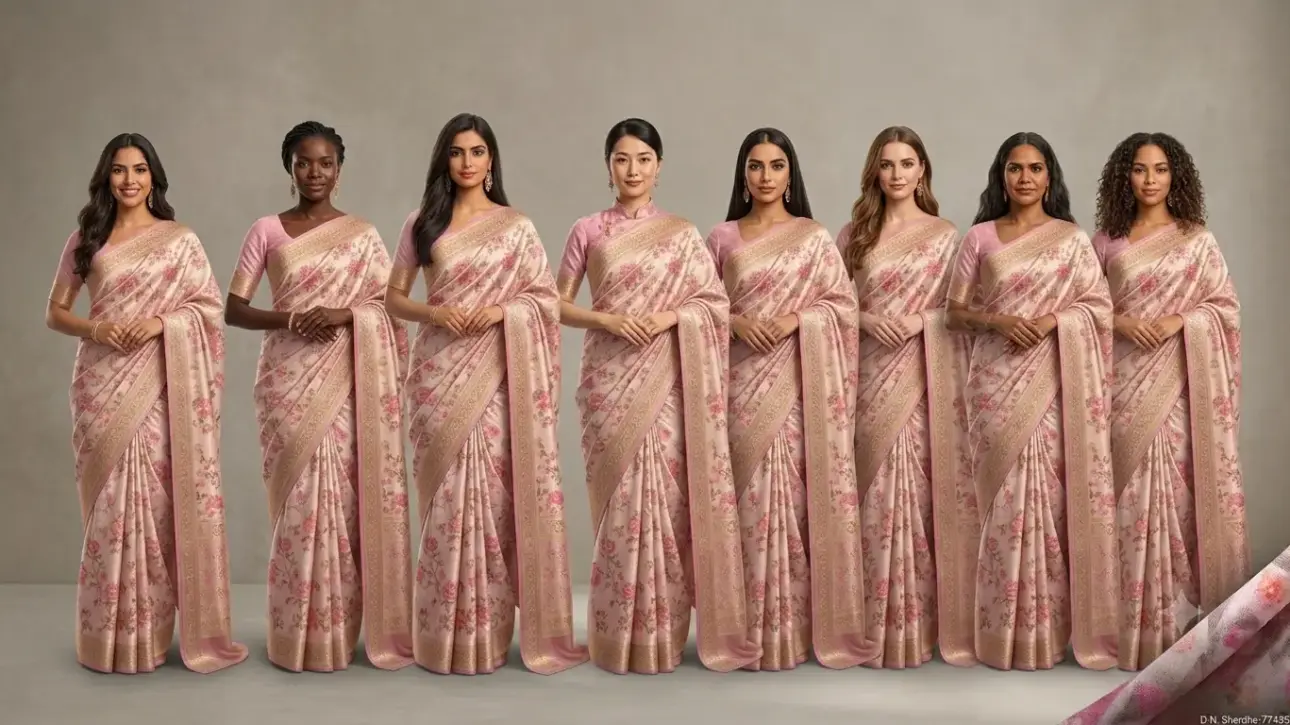
Pearl embroidery fabrics occupy a unique psychological space in bridal purchasing behavior. Pearls represent purity, continuity, wealth, femininity, and ceremonial prestige across cultures. In India, pearls have long appeared in royal bridal aesthetics associated with Hyderabad, Rajasthan, and Mughal court dressing traditions. Internationally, pearl embellishment has regained prominence due to the influence of quiet luxury movements highlighted by Vogue, Harper’s Bazaar, and BOF runway analysis. Modern bridal consumers increasingly seek gowns that feel heirloom-worthy rather than trend-disposable. This shift has accelerated demand for embroidered fabrics combining handcrafted visual depth with industrial-scale reliability.


Fabric buyers from the United States, Europe, the GCC, Southeast Asia, Australia, and Africa increasingly search for bridal materials that merge couture aesthetics with manufacturing practicality. Search intent phrases such as “luxury pearl bridal lace fabric,” “pearl embroidered tulle for wedding gown,” and “custom bridal embroidery supplier India” reflect a growing B2B sourcing ecosystem shaped by designers, wholesalers, and boutique labels. Surat, India—particularly through manufacturers like Madhav Fashion—has emerged as a strategic sourcing center because it bridges artisanal embroidery traditions with export-scale production infrastructure.
Today’s bridal fabric buyer is highly informed. They compare embroidery density, bead fixation quality, fabric GSM, yarn durability, shipment timelines, and customization flexibility before placing orders. Platforms such as Alibaba, IndiaMART, TradeIndia, Etsy, and Amazon Business have made sourcing more transparent, but they have also intensified competition. Buyers now prioritize reliability markers: consistent quality control, scalable MOQ structures, export documentation support, and swatch accessibility. Pearl embroidery fabrics answer these market demands because they combine emotional luxury with measurable commercial value.
Fabric characteristics admired in Universal / Global (climate, lifestyle, fashion)
Pearl embroidery fabrics are admired globally because they balance softness with ceremonial grandeur. Unlike heavily metallic bridal textiles that can feel rigid or climate-restrictive, pearl embroidery offers a refined luminosity adaptable to both warm and cold environments. This flexibility matters significantly in international bridal markets where climate and wedding formats differ dramatically.
Most premium pearl embroidery fabrics are developed on bases such as soft net, tulle, georgette, organza, satin, mesh, or velvet-backed structures. Typical GSM ranges vary between 120 GSM for lightweight bridal overlays to 350 GSM for couture-heavy embellished constructions. Bridal manufacturers often prefer polyester filament yarn blends because they ensure durability during cutting, draping, and international transport. Luxury buyers may request silk-blend bases for haute couture collections targeting elite retail markets.
The embroidery itself usually incorporates multi-head computerized embroidery machines, Schiffli embroidery systems, or sequins-and-cording combination machines. Common stitch structures include satin stitch, chain stitch, lock stitch, bead anchoring stitch, and zig-zag reinforcement embroidery for pearl fixation stability. Higher embroidery density fabrics—often exceeding 65% surface coverage—are favored for couture gowns, cathedral veils, reception capes, and luxury modest bridalwear.
Lifestyle changes also shape fabric preference. Modern brides want mobility. They dance, travel internationally for destination weddings, and prioritize comfort during long ceremonies. As a result, global buyers increasingly request lightweight pearl embroidery fabrics with breathable backing structures. In humid climates such as India, Southeast Asia, Nigeria, or the UAE, airflow-friendly net embroidery performs exceptionally well. In colder European or North American climates, layered pearl embroidery over satin lining provides both warmth and visual structure.
Quality-conscious buyers increasingly evaluate technical parameters beyond appearance. Reliable suppliers implement needle detection systems, colorfastness testing, embellishment pull testing, shrinkage control, and embroidery alignment inspection. Premium export-grade pearl embroidery fabrics often undergo four-point quality inspection systems before packing. This operational discipline matters immensely for global buyers working under strict bridal delivery schedules.
Fabric variations/types + Universal / Global fashion influence
Pearl embroidery fabrics now exist in multiple aesthetic categories shaped by global fashion influences, red-carpet culture, and bridal anthropology. The market has moved far beyond conventional ivory bridal lace.
Pearl embroidered tulle remains the most commercially demanded category worldwide. This variation combines lightweight transparency with floating pearl placements, creating an ethereal illusion effect widely seen in European bridal couture. Fashion schools such as Parsons and Istituto Marangoni often reference illusion construction techniques in contemporary bridal design education because they visually elongate silhouettes while maintaining softness.
3D floral pearl embroidery fabrics represent another rapidly expanding category. These textiles integrate laser-cut appliqué flowers, organza petals, sequins, and pearl clusters. Influenced heavily by Middle Eastern couture houses and amplified through Instagram bridal culture, this style dominates luxury wedding markets in Dubai, Saudi Arabia, Qatar, and increasingly South Asian luxury bridalwear.
Geometric pearl embroidery fabrics appeal strongly to minimalist luxury consumers in North America and Scandinavia. Inspired by Art Deco symmetry and modern architectural aesthetics, these fabrics use restrained pearl placements with linear embroidery layouts. Quiet luxury fashion movements identified by WGSN and Business Insider have significantly increased interest in understated bridal textures over excessively ornate surfaces.
Indian influence remains central to global pearl embroidery evolution. Surat’s embroidery ecosystem has adapted traditional zari, resham, and sequin craftsmanship into internationally scalable pearl applications. Bridal lehengas, Indo-Western gowns, fusion capes, and couture sarees increasingly use pearl embroidery in combination with tonal threadwork and micro-sequin detailing. NIFT and Fibre2Fashion trend reports frequently identify Indo-global fusion aesthetics as a dominant export opportunity.
Colored pearl embroidery fabrics are also rising in popularity. Champagne, blush pink, sage green, lavender, nude gold, silver ivory, mocha beige, and dusty blue are replacing traditional pure-white bridal palettes. These shifts reflect changing wedding photography preferences and social-media-driven personalization trends.
Global demand + specific Universal / Global demand trends
The global bridalwear market has become increasingly experience-driven, and pearl embroidery fabrics sit directly at the intersection of luxury personalization and visual storytelling. According to fashion industry analysis regularly referenced by Statista and BOF, consumers are investing more selectively but more emotionally in ceremonial garments. This has strengthened demand for fabrics that communicate exclusivity without appearing overly commercial.
North American bridal labels increasingly prefer pearl embroidery because it photographs exceptionally well under cinematic lighting used in luxury weddings. Social platforms have amplified demand for dimensional textures that create depth in both still photography and motion video. Bridal brands sourcing from India often request matte pearl finishes instead of high-shine plastic beads because premium consumers associate subtle luster with sophistication.
European demand leans toward craftsmanship authenticity. Buyers in Italy, France, the UK, and Germany frequently prioritize embroidery precision, soft-touch fabric handfeel, and sustainability-compatible production practices. Recycled polyester bases combined with controlled embellishment density are becoming commercially important in these markets.
The GCC region continues to drive significant demand for heavy bridal embellishment. Couture abayas, wedding gowns, engagement dresses, and reception ensembles often require dense pearl embroidery integrated with crystals and sequins. Buyers from Dubai and Riyadh commonly source fabrics in bulk quantities for bridal ateliers serving luxury clientele.
India contributes both manufacturing power and domestic demand momentum. The Indian wedding industry’s scale—combined with rising destination weddings and celebrity bridal influence—has transformed pearl embroidery into a mainstream aspirational fabric category. Bridal consumers influenced by Bollywood styling increasingly seek fabrics that transition between traditional ceremonies and Western-inspired receptions.
African bridal markets, especially Nigeria, South Africa, and Kenya, also represent growing opportunities. Structured gowns, ceremonial dresses, and luxury aso-ebi styling increasingly incorporate pearl embroidery because it communicates prestige and celebration visually.
🌍 International — Free sample (only shipping charges apply)
Bridal wear relevance (Universal / Global traditions & customs)
Few fabric categories integrate into global bridal traditions as naturally as pearl embroidery. Pearls possess cross-cultural ceremonial meaning, making them uniquely adaptable across religious, regional, and stylistic bridal narratives.
In Indian weddings, pearl embroidery complements lehengas, sarees, dupattas, and reception gowns. Hyderabad’s historical association with pearls has influenced bridal aesthetics for generations. Brides often perceive pearl embellishment as softer and more refined compared to heavily metallic embroidery, especially for daytime ceremonies, engagement events, and destination weddings.
Western bridalwear traditions favor pearl embroidery for cathedral gowns, veils, corseted bodices, sleeves, and train detailing. The emotional symbolism of pearls aligns with classic Christian wedding aesthetics emphasizing grace and timelessness. Bridal designers frequently use pearl embroidery to create “modern heirloom” garments intended for preservation and generational sentiment.
Middle Eastern bridal culture embraces grandeur, and pearl embroidery provides opulence without visual harshness. Couture wedding dresses often combine layered pearls with crystal accents to create depth under ballroom lighting. Long sleeves, dramatic veils, and fitted silhouettes particularly benefit from pearl-based embellishment because it enhances movement elegantly.
Asian bridal markets, including Singapore, Indonesia, Thailand, and Vietnam, increasingly favor fusion silhouettes blending traditional ceremonial elements with Western gown structures. Pearl embroidery supports this transition because it adapts equally well to structured corsetry and fluid draped forms.
The psychological role of pearl embroidery in bridalwear is profound. Brides consistently associate pearls with elegance, emotional softness, femininity, and visual calmness. Unlike sharp metallic embellishments, pearls diffuse light gently, creating an aesthetic associated with intimacy and refinement.
Wedding wear applications + outfit names used in Universal / Global
Pearl embroidery fabrics are no longer restricted to wedding gowns alone. Their versatility across ceremonial categories has significantly expanded their commercial demand.
In India, bridal lehengas featuring pearl embroidery are increasingly favored for engagement ceremonies, sangeet nights, and reception events. Designers frequently pair pearl embroidery with tonal threadwork on pastel palettes including blush pink, ivory gold, champagne, mint, and powder blue. Sarees with pearl-bordered pallu embroidery also perform strongly in premium bridal retail markets.
Western bridalwear applications include A-line gowns, mermaid silhouettes, ball gowns, bridal capes, detachable overskirts, cathedral veils, and corset bodices. Pearl embroidery is particularly popular for illusion sleeves and open-back detailing because it creates subtle dimensionality without overwhelming transparency.
Middle Eastern fashion markets use pearl embroidery extensively in kaftans, jalabiyas, abayas, and couture engagement dresses. Nigerian bridal fashion incorporates pearl embroidery into reception gowns and ceremonial ensembles featuring sculptural silhouettes and dramatic sleeve constructions.


Southeast Asian markets increasingly demand pearl embroidery for kebaya-inspired bridalwear, modern cheongsam adaptations, and Indo-Western fusion gowns. Australian and destination wedding markets often request lighter-weight pearl embroidered fabrics suitable for beach or tropical ceremonies.
Partywear and occasionwear applications have also grown substantially. Cocktail dresses, luxury evening gowns, bridesmaid ensembles, maternity photoshoot gowns, red-carpet fashion, and couture modestwear collections increasingly incorporate pearl embroidery for elevated texture.
Partywear/evening wear demand + cultural examples (Universal / Global)
The expansion of occasion dressing globally has transformed pearl embroidery fabrics into year-round commercial products rather than seasonal bridal-only materials. Luxury eveningwear consumers increasingly seek garments that deliver visual impact without aggressive shine, and pearl embroidery satisfies this aesthetic balance exceptionally well.
Hollywood-inspired red carpet culture has influenced global eveningwear purchasing behavior. Fashion publications such as Vogue and Harper’s Bazaar frequently highlight tonal embellishment trends where pearl embroidery creates depth rather than overt sparkle. This has increased demand among eveningwear brands targeting affluent consumers seeking understated glamour.
In India, pearl embroidery dominates festive collections during Diwali, Eid, destination wedding seasons, and celebrity-inspired couture launches. Pearl-work sarees, Indo-Western gowns, shararas, and cape ensembles perform especially well among urban luxury consumers in Mumbai, Delhi, Hyderabad, and Ahmedabad.
Middle Eastern eveningwear culture strongly favors layered embellishment aesthetics. Pearl embroidery fabrics are widely used for Ramadan collections, engagement dresses, luxury kaftans, and formal modestwear. Buyers often request custom pearl placements combined with tonal sequins for sophisticated light reflection.
European cocktailwear markets increasingly use pearl embroidery for couture jackets, overlay dresses, and statement sleeves. In North America, boutique occasionwear labels favor pearl embroidery for bridal shower dresses, rehearsal dinner gowns, and luxury resort evening collections.
These applications broaden the sourcing cycle for wholesalers and garment manufacturers. Instead of relying solely on bridal seasons, buyers can distribute pearl embroidery fabrics across multiple retail categories throughout the year.
Garment manufacturing usage (brands, factories, wholesalers in Universal / Global)
From a manufacturing perspective, pearl embroidery fabrics occupy a high-value category because they elevate garment pricing without proportionally increasing base fabric costs. This margin advantage explains why global brands, exporters, and private-label manufacturers increasingly invest in embroidered bridal textiles.
Factories producing bridal collections for Europe and North America often source embroidered yardage from India due to Surat’s manufacturing efficiency. The city’s integrated textile ecosystem allows embroidery, dyeing, finishing, inspection, and packaging processes to operate within coordinated production networks.
Garment manufacturers typically use pearl embroidery fabrics for panel placement engineering. Bodice-heavy embroidery layouts reduce cutting wastage while maximizing visual luxury. Factories also increasingly request embroidery mapping files compatible with automated cutting systems to improve production precision.
Wholesale distributors operating through Alibaba, IndiaMART, TradeIndia, and Amazon Business prioritize suppliers capable of maintaining repeat consistency across dye lots and embellishment alignment. Bridalwear production schedules are highly sensitive; even small inconsistencies can disrupt global retail delivery timelines.
Mini case studies illustrate this clearly. A boutique bridal label in Toronto may initially order 80 meters of pearl embroidered tulle for sampling and trunk shows. After successful customer response, the same buyer often scales to 800–1200 meters for seasonal production. Similarly, a Dubai-based couture atelier may request customized embroidery density with Arabic-inspired motifs for exclusive bridal capsules.
Reliable exporters understand these growth pathways and structure production flexibility accordingly.
Designer + boutique preferences in Universal / Global
Independent designers and boutique bridal studios increasingly influence global fabric sourcing trends. Unlike mass-market brands focused purely on volume, boutiques prioritize uniqueness, exclusivity, and tactile storytelling.
Designers trained at institutions such as FIT, Parsons, NIFT, and Istituto Marangoni frequently seek fabrics that support narrative-driven collections. Pearl embroidery allows them to explore themes including vintage romance, celestial femininity, modern royalty, and minimalist luxury.
Boutiques often prefer lower MOQ structures because they operate limited-edition collections. FabricDiary’s positioning becomes particularly relevant here. Small designers need swatch support, manageable sampling quantities, and customization flexibility before committing to larger production runs. This segment values communication reliability as much as fabric quality itself.
Bridal stylists and couture consultants increasingly request mixed-material pearl embroidery fabrics featuring sequins, bead clusters, cording, and appliqué combinations. Designers also prefer fabrics adaptable across multiple silhouettes to maximize collection versatility.
Color psychology matters enormously in boutique buying behavior. Soft ivory remains dominant globally, but blush nude, champagne silver, pearl beige, dusty rose, and muted sage continue gaining popularity among younger bridal consumers seeking individuality.
B2B sourcing behavior, import habits, bulk-buy logic (Universal / Global)
Modern B2B textile sourcing is deeply data-driven. Buyers compare suppliers across pricing transparency, lead times, customization capabilities, QC standards, logistics reliability, and communication responsiveness before initiating orders.
Bridal fabric buyers often begin sourcing through digital discovery channels including Alibaba, IndiaMART, TradeIndia, Etsy, LinkedIn, and direct manufacturer websites. However, long-term supplier relationships are typically built through consistent sampling accuracy and post-order reliability rather than low pricing alone.
Bulk-buy logic varies by region. North American importers often prefer medium-volume recurring orders with stable repeatability. Middle Eastern buyers may prioritize exclusivity and design customization over standardized catalog production. Indian wholesalers frequently purchase mixed embroidery collections to serve regional bridal markets with varied preferences.
Importers commonly face challenges including embellishment fallout during transit, inconsistent embroidery density, delayed shipment schedules, and communication gaps. Experienced exporters mitigate these risks through reinforced packing systems, pre-dispatch inspection videos, export-grade folding methods, moisture-protected packaging, and detailed production approvals.
Compliance awareness is also increasing. Buyers increasingly request HS code clarity, fabric composition declarations, azo-free dye confirmations, and commercial invoice precision to avoid customs complications.
Custom manufacturing, MOQ, export factors, reliability markers
Customization now defines premium textile sourcing. Buyers increasingly expect embroidery modifications, pearl size adjustments, motif repositioning, color matching, and base fabric alternatives tailored to their collections.
Export-oriented manufacturers in Surat have adapted rapidly to this shift. Multi-head embroidery systems now support digital design mapping that enables scalable customization while maintaining production efficiency. Common customizations include pearl spacing variation, motif enlargement, bridal monogram integration, and region-specific pattern development.
MOQ expectations vary significantly across buyer categories. Boutique designers may require 25–50 meter sampling flexibility, while wholesalers and garment exporters typically operate within 500–5000 meter procurement structures. Suppliers capable of supporting both ends of this spectrum gain substantial competitive advantage.
Reliability markers matter profoundly in global sourcing decisions. Buyers increasingly evaluate:
- Four-point fabric inspection systems
- Needle detection protocols
- Embellishment pull testing
- Pantone shade consistency
- Export-compliant packaging
- SGS or third-party testing availability
- Production transparency
- Shipment tracking responsiveness
Fast shipping infrastructure also shapes supplier credibility. Air cargo accessibility from Surat and nearby export hubs enables faster dispatch to the USA, Europe, GCC countries, Africa, and Southeast Asia.
Why FabricDiary & Madhav Fashion are ideal for Universal / Global buyers
Global bridal and occasionwear sourcing increasingly depends on suppliers capable of balancing creativity, scalability, and operational trust. This is where FabricDiary and Madhav Fashion create meaningful differentiation within the international textile landscape.
FabricDiary addresses the evolving needs of modern designers, boutiques, sampling studios, and small-label entrepreneurs by offering low MOQ access, designer-friendly sourcing flexibility, swatch support, and curated embroidery selections. Emerging bridal labels often struggle to access premium fabrics without committing to excessive inventory volumes. FabricDiary reduces that barrier while maintaining luxury-oriented textile quality.
Madhav Fashion, based in Surat, strengthens this ecosystem through manufacturing scale, export capability, and technical production expertise. Surat’s globally recognized textile infrastructure allows faster development cycles, embroidery innovation, and competitive factory pricing without compromising craftsmanship standards.
The combination is strategically valuable for global buyers. A boutique bridal label in London, a couture atelier in Dubai, a weddingwear wholesaler in Lagos, or a designer startup in Los Angeles all require different sourcing structures. FabricDiary and Madhav Fashion collectively support these varied business models through customization capability, global shipping readiness, and consistent communication.
Most importantly, they understand that bridal textiles are emotional products. Every meter of pearl embroidery fabric ultimately contributes to milestone moments photographed, remembered, archived, and emotionally revisited for decades. That understanding separates transactional suppliers from long-term sourcing partners.
FAQs
Q1. How can international buyers import pearl embroidery fabrics from India?
International buyers typically import through commercial invoices, packing lists, HS codes, and freight forwarding support provided by exporters. Reliable manufacturers assist with customs documentation, air cargo coordination, and shipping compliance for smooth delivery worldwide.
Q2. What are the usual shipping timelines for bridal embroidery fabrics?
Air shipments generally take 5–10 business days globally, while sea freight may require 20–45 days depending on destination country, customs clearance, and order volume.
Q3. What is the MOQ for pearl embroidery fabrics?
MOQ varies by supplier and customization level. FabricDiary supports low MOQ and designer sampling quantities, while Madhav Fashion handles larger bulk production requirements for wholesalers and manufacturers.
Q4. Are fabric swatches available before bulk orders?
Yes. Professional exporters commonly provide swatches, sample yardage, and embroidery strike-offs so buyers can evaluate texture, embroidery quality, and color accuracy before confirming production.
Q5. Which base fabrics are commonly used for pearl embroidery?
Popular bases include soft net, tulle, organza, satin, georgette, velvet, mesh, and silk blends. Fabric choice depends on gown structure, climate, and design application.
Q6. What payment terms are usually accepted for export orders?
Most exporters accept bank transfers, LC arrangements, advance payments, and milestone-based production payments depending on buyer relationship history and order volume.
Q7. Can custom pearl embroidery designs be manufactured?
Yes. Many manufacturers support custom motif development, embroidery density adjustments, pearl sizing variations, Pantone color matching, and exclusive bridal pattern creation for brands and designers.
Thanks for reading this article and exploring FabricDiary — one of the world’s fastest-growing B2B designer fabric platforms featuring thousands of ready-to-source collections for bridalwear, couture fashion, ethnicwear, eveningwear, and global garment manufacturing. We regularly publish detailed insights on embroidery fabrics, textile trends, sourcing strategies, export markets, and fashion industry developments to help designers, boutiques, wholesalers, and apparel businesses make informed sourcing decisions.
For full-length articles, fabric sourcing support, bulk inquiries, swatch requests, customization requirements, or international export assistance on any of the topics mentioned above, feel free to connect with our team at: info.fabricdiary@gmail.com
Top Allover Embroidered Organza Fabrics for Bridal & Couture Fashion
Discover premium allover embroidered organza fabrics designed for bridal couture, luxury eveningwear, designer labels, and global garment manufacturers seeking elegant export-quality materials.
Sequins Embroidered Organza Fabrics for Wedding & Partywear Collections
Explore sequins embroidered organza fabrics crafted for wedding gowns, festive fashion, cocktail dresses, and boutiques requiring trend-focused fabrics with international quality standards.
Luxury Embroidered Organza Fabric Manufacturer for Global Fashion Buyers
Source high-end embroidered organza fabrics developed for fashion brands, wholesalers, and exporters looking for reliable bulk production, custom designs, and worldwide fabric supply.
Premium Organza Embroidery Fabric Supplier for Designers & Boutiques
Buy premium organza embroidery fabrics ideal for couture designers, bridal studios, and boutique fashion businesses seeking low MOQ support and luxury textile collections.
Zari Work Embroidered Organza Fabrics for Bridal Wear Manufacturing
Shop zari work embroidered organza fabrics tailored for lehengas, sarees, wedding gowns, ethnicwear collections, and international bridalwear production requirements.
Thread Work Embroidered Organza Fabrics for Elegant Designer Outfits
Discover thread work embroidered organza fabrics perfect for luxury apparel, occasionwear, Indo-Western fashion, and designer garments requiring detailed embroidery craftsmanship.
Cording Work Embroidered Organza Fabrics for Couture Garments
Explore cording work embroidered organza fabrics developed for premium weddingwear, couture dresses, runway collections, and luxury fashion manufacturing worldwide.
Printed Embroidered Organza Fabrics for Contemporary Fashion Brands
Find printed embroidered organza fabrics combining modern prints with elegant embroidery for fashion labels, apparel exporters, and trend-led designer collections.
Jacquard & Brocade Embroidered Organza Fabrics for Luxury Fashion
Source jacquard and brocade embroidered organza fabrics suitable for bridal couture, festive garments, statement jackets, and high-end ethnicwear manufacturing.
Export Quality Embroidered Organza Fabrics for Wholesale Buyers
Access export-quality embroidered organza fabrics with competitive wholesale pricing, consistent finishing, secure packaging, and reliable global shipping support.
Premium Embroidered Organza Fabrics for Global Apparel Manufacturing
Discover premium embroidered organza fabrics engineered for bridalwear factories, designer brands, garment exporters, and luxury fashion production businesses worldwide.
Shop Embroidered Organza Fabrics Online for Bulk Fashion Sourcing
Buy embroidered organza fabrics online with custom development options, low MOQ availability, designer collections, and seamless worldwide sourcing support.
Buy Designer Embroidery Fabrics Online for Bridal & Fashion Collections
Shop luxury embroidery fabrics online for bridal gowns, lehengas, evening dresses, couture apparel, and boutique fashion manufacturing at wholesale prices.
World’s Largest B2B Platform for Designer Embroidered Fabrics
Explore FabricDiary.com for thousands of designer embroidered fabric collections, global sourcing solutions, custom manufacturing support, and export-ready fashion textiles.