


Luxury fashion has become increasingly global in both inspiration and execution. A sketch conceived in London may be sampled in Milan, embroidered in Surat, photographed in Dubai and ultimately worn at a wedding reception in Riyadh or Doha. Few textile categories illustrate this interconnected fashion economy as vividly as custom sequin fabrics.
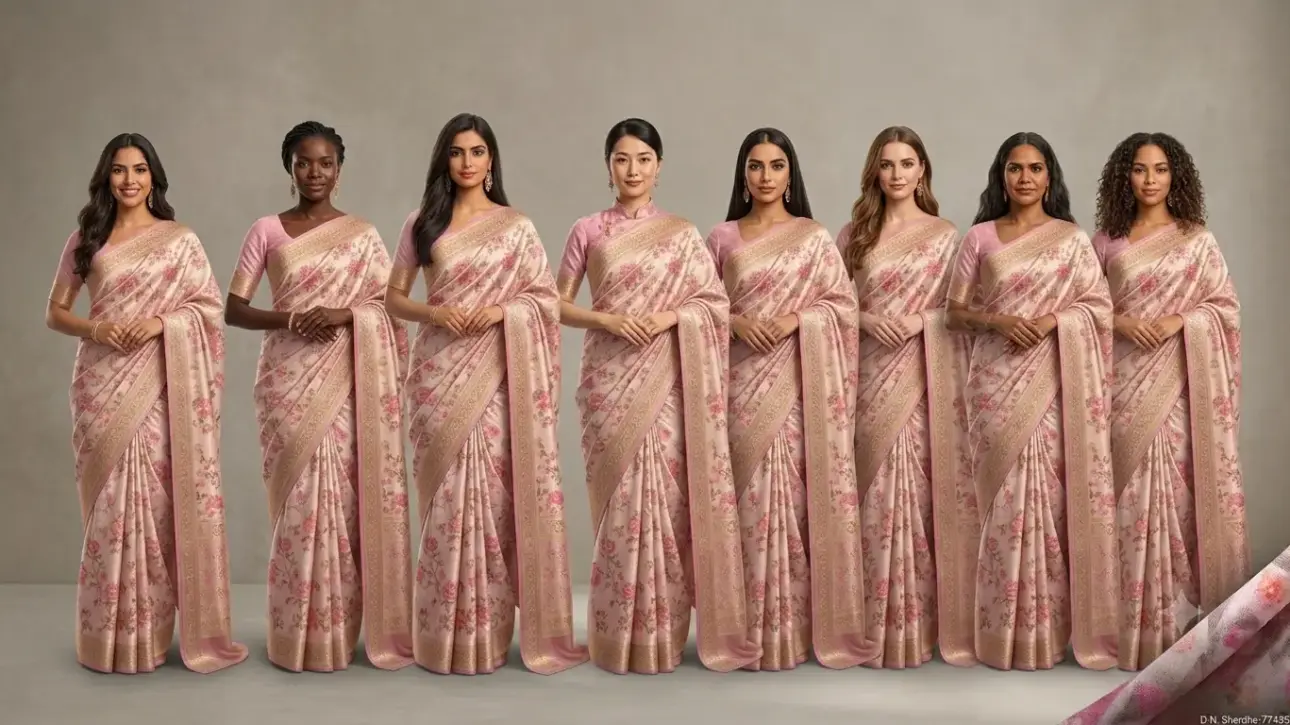
The growing search for a Custom Sequin Fabric Supplier for London & Milan Designers reflects a broader shift in luxury sourcing. Fashion houses no longer purchase fabrics solely based on aesthetics. They evaluate production scalability, customization capability, lead-time reliability and export readiness. For sourcing teams serving the Middle East, where occasion dressing remains deeply embedded in social life, sequin fabrics occupy a unique position. They bridge couture craftsmanship with commercial viability.
Custom Sequin Fabric Supplier for London & Milan Designers
Industry publications such as Vogue, Business of Fashion (BOF), FashionUnited and WGSN have repeatedly highlighted the rising importance of occasion wear markets across the Gulf. The demand is not simply for sparkle. It is for controlled glamour, cultural sensitivity and exclusivity. That requirement has elevated custom-developed sequin textiles from seasonal embellishments into strategic sourcing categories.
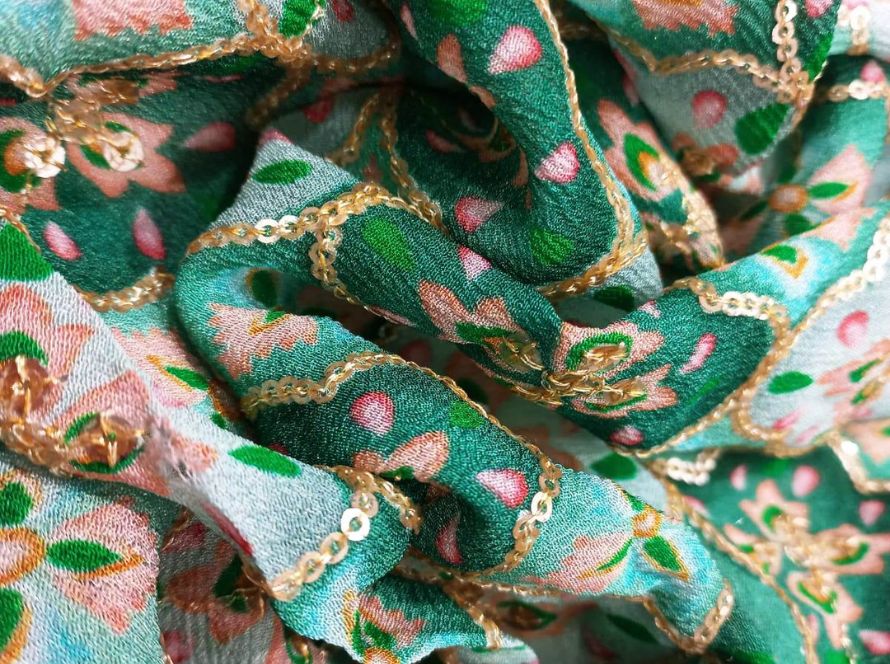
A modern custom sequin fabric typically combines embroidery technology, specialized base textiles and sophisticated finishing processes. Depending on application, GSM commonly ranges between 120 GSM and 650 GSM. Luxury collections frequently utilize mesh, tulle, georgette, organza, satin, velvet and premium polyester blends as foundations for intricate sequin work.
The result is a textile category that has become indispensable to contemporary luxury fashion.
Why Sequin Fabrics Continue to Resonate Across UAE, Saudi Arabia, Kuwait and Qatar
Fashion in the Gulf region is often misunderstood through a purely Western lens. Yet luxury consumption across the UAE, Saudi Arabia, Kuwait and Qatar reflects a nuanced relationship between tradition and modernity.
The climate influences garment construction, but cultural expectations influence visual impact. Evening events, wedding celebrations, Ramadan gatherings and formal social occasions create continuous demand for statement textiles that remain elegant rather than overtly theatrical.
Custom sequin fabrics answer this need effectively. Designers increasingly favor lighter embroidery constructions that deliver luminosity without excessive garment weight. Modern sequins are often combined with tonal thread embroidery, creating depth rather than obvious shine.
Color preferences also reveal regional distinctions. Black remains dominant for premium abayas, yet deep emerald, champagne gold, muted silver, navy, burgundy and desert-inspired neutrals have become increasingly influential. Luxury consumers seek fabrics that communicate sophistication through craftsmanship rather than excess.
This subtle evolution explains why sourcing teams increasingly prioritize customized embroidery layouts over standard catalog offerings.
Understanding Sequin Fabric Variations, Base Materials and Regional Fashion Preferences
The term sequin fabric covers a broad technical spectrum.
Machine-embroidered sequin fabrics dominate commercial luxury production due to consistency and scalability. Hand-embellished fabrics continue to occupy a premium niche, particularly for couture bridal collections and limited-edition capsule launches.
🌍 International — Free sample (only shipping charges apply)
Base fabric selection significantly impacts garment performance. Tulle provides transparency and layering possibilities. Organza offers architectural structure. Satin delivers richness. Velvet creates dramatic eveningwear effects. Polyester blends remain popular because they balance durability, cost efficiency and export practicality.
Luxury buyers frequently combine sequins with complementary textile categories such as Embroidered Fabric, Printed Fabric, Plain Dyed Fabrics, Jacquard Fabric and Position Printed Fabric to achieve differentiated collections.
Quality control standards typically assess embroidery density, sequin attachment strength, thread consistency, shrinkage tolerance, color fastness and production uniformity. Premium suppliers also monitor needle damage, tension stability and embroidery alignment.
Care instructions generally recommend dry cleaning for heavily embellished fabrics. Lighter constructions may permit controlled hand washing depending on thread composition and embellishment density.
Global Demand Patterns and Middle Eastern Market Momentum
Luxury sourcing trends increasingly reflect what Bloomberg, Financial Times, CNBC and Forbes have identified as the globalization of premium consumer demand.
Middle Eastern fashion markets have emerged as some of the world’s most influential luxury destinations. International fashion houses regularly adapt collections for Gulf consumers, recognizing their significant purchasing power and strong affinity for occasion dressing.


Simultaneously, regional brands are becoming globally visible. Designers based in Dubai, Riyadh and Doha increasingly showcase collections alongside international fashion capitals.
This has transformed sourcing requirements. Buyers seek textiles capable of supporting both regional aesthetics and global runway expectations. Sequin fabrics, particularly customized developments, align perfectly with these requirements because they offer visual distinction while remaining adaptable across product categories.
The Enduring Connection Between Sequin Fabrics and Bridal Traditions
Wedding fashion remains one of the strongest demand drivers for premium sequin fabrics.
Across the Gulf region, weddings are not simply personal celebrations. They are cultural events where clothing communicates family heritage, social identity and contemporary taste.
Bridal designers increasingly use sequins to create layered visual effects rather than uniform shine. Modern luxury brides often prefer embroidery patterns inspired by architecture, floral motifs and geometric traditions.
Publications such as Harper’s Bazaar, Elle, Marie Claire and Grazia have documented the continued popularity of embellished bridalwear throughout Middle Eastern markets. Sequins remain central because they photograph exceptionally well under both natural and artificial lighting, an increasingly important consideration in the age of digital storytelling.
Wedding Wear Applications Across Gulf Fashion Cultures
Wedding wardrobes across the UAE, Saudi Arabia, Kuwait and Qatar frequently extend beyond a single ceremonial garment.
Designers create reception gowns, engagement dresses, kaftans, jalabiyas, abayas and formal celebration ensembles. Each category requires unique fabric characteristics.
Lightweight sequin tulles work effectively for layered silhouettes. Dense embroidery constructions provide structure for statement garments. Velvet-backed sequins create dramatic evening aesthetics suitable for winter celebrations and luxury receptions.
The diversity of applications explains why sourcing teams often request multiple embroidery densities and fabric constructions within a single procurement cycle.
Abaya, Kaftan and Middle Eastern Occasion Wear Driving Contemporary Demand
No discussion of Gulf fashion is complete without examining the evolution of the abaya and kaftan.
What was once viewed primarily as traditional attire has become a dynamic luxury category. Designers now experiment with embroidery placement, texture contrasts and architectural silhouettes.
Custom sequin fabrics have become particularly relevant because they allow embellishment without compromising garment identity. Strategic embroidery placement can transform a minimalist abaya into an eveningwear statement while maintaining elegance.
Luxury consumers increasingly search for distinctive yet wearable pieces. This behavior has encouraged brands to invest in custom-developed textiles rather than relying on widely available stock fabrics.
For sourcing teams, the objective is rarely maximum embellishment. It is differentiation.
How Garment Manufacturers, Brands and Wholesalers Use Custom Sequin Fabrics
Sequin fabrics serve multiple levels of the fashion supply chain.
Luxury brands use them for runway and occasionwear collections. Manufacturers integrate them into private-label programs. Wholesalers distribute them to boutiques and regional designers.
A growing number of buyers combine custom sequin textiles with supporting categories such as Polyester Fabric and Plain Fabric Wholesale to create complete seasonal ranges.
This integrated sourcing approach reduces development timelines and simplifies procurement management. It also allows brands to maintain visual consistency across collections.
What Designers and Boutiques in the Gulf Look for When Sourcing
Boutique buyers and luxury designers approach sourcing differently from mass-market retailers.
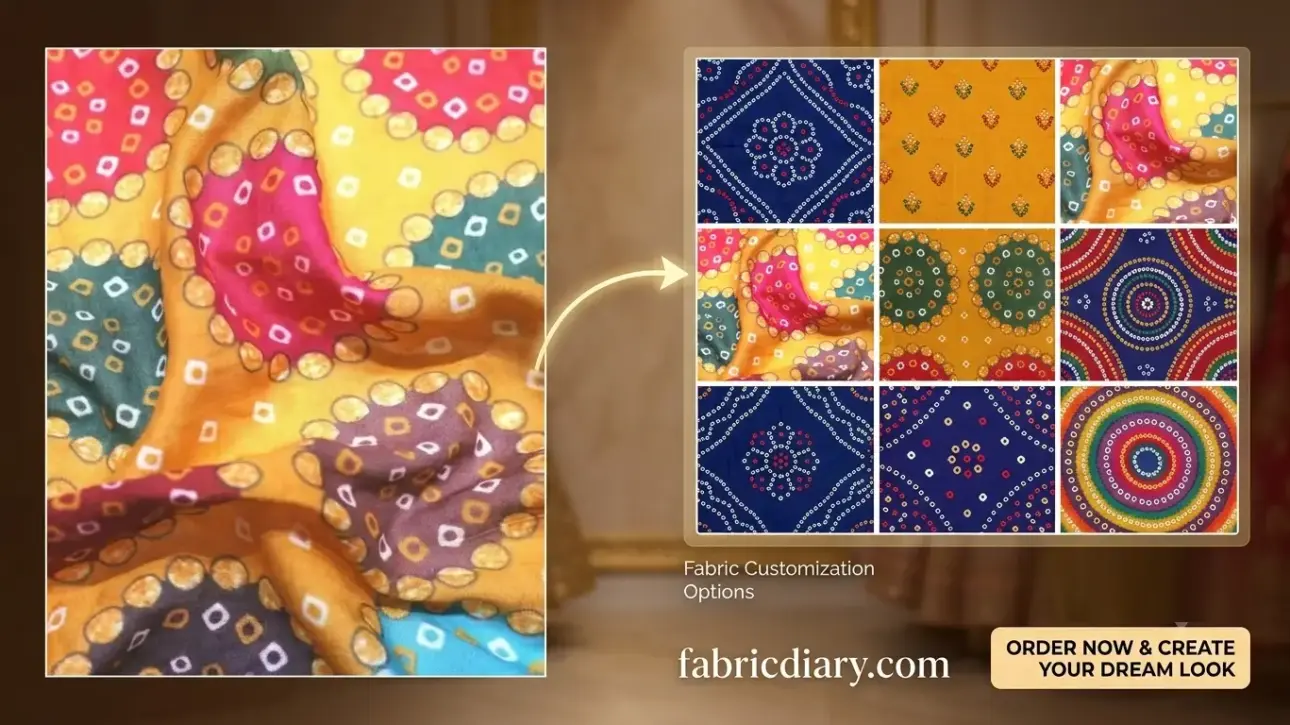
Their priority is exclusivity. They want embroidery layouts unavailable to competitors. They seek suppliers capable of modifying motif scale, sequin size, embroidery density and color combinations.
Luxury sourcing teams often begin with sampling programs before approving bulk orders. Swatch evaluation remains critical because photographs rarely communicate fabric movement, hand feel and embellishment quality accurately.
This explains the growing relevance of platforms that support small development quantities before commercial-scale commitments.
Understanding B2B Buying Psychology Among Luxury Brand Sourcing Teams
The psychology of luxury sourcing is frequently misunderstood.
Price matters, but reliability matters more.
A delayed shipment can disrupt collection launches, marketing campaigns and retail commitments. Consequently, sourcing teams evaluate suppliers according to responsiveness, transparency and production consistency.
A sourcing manager in Dubai may compare options across Alibaba, Etsy, IndiaMART, TradeIndia and Amazon Business. Yet the final decision often depends less on platform visibility and more on proven execution capability.
Mini Case Study
A luxury abaya brand in Riyadh required exclusive sequin embroidery for a Ramadan capsule collection. Initial sourcing attempts through generic marketplaces produced inconsistent sampling results. By partnering directly with an export-focused embroidery manufacturer, the brand secured customized motifs, approved strike-offs within two weeks and completed production ahead of launch. The collection achieved strong sell-through performance due largely to visual differentiation.
Mini Case Study
A Doha-based occasionwear label needed coordinated fabrics for bridal and evening collections. Through a structured development process involving swatches, sample yardage and staged approvals, the sourcing team reduced design revisions and improved production predictability. The resulting collection expanded distribution across multiple Gulf retail channels.
Custom Manufacturing, MOQs, Export Compliance and Supply Reliability
Export success depends on operational discipline.
Custom sequin fabric production involves embroidery programming, sampling, production scheduling, inspection and logistics coordination. Reliable suppliers provide documentation including commercial invoices, packing lists, certificates of origin and export declarations.
For shipments to the UAE, Saudi Arabia, Kuwait and Qatar, buyers typically review customs requirements, HS classifications and applicable duties before order confirmation.
Flexible MOQ structures are increasingly important. Designers often require sampling quantities while established brands need container-scale production.
Trade publications such as Fibre2Fashion, Textile Today and Statista consistently identify supply-chain transparency as a defining factor in modern textile procurement.
Why FabricDiary and Madhav Fashion Remain Preferred Partners for Global Buyers
The distinction between sampling support and manufacturing scale has become increasingly important in fashion sourcing.
FabricDiary has quietly become a preferred destination for independent designers, boutique labels and creative studios seeking access to specialized textile developments without restrictive purchasing requirements. Through collections including Custom Sequin Fabric Supplier for London & Milan Designers, Embroidered Fabric, Printed Fabric, Plain Dyed Fabrics, Jacquard Fabric, Position Printed Fabric and Polyester Fabric, the platform supports global swatch requests, designer sampling and low-quantity purchasing.
Madhav Fashion, based in Surat, represents a different but complementary strength. Known throughout the textile trade as one of India’s established fabric exporters, the company has built a reputation for custom embroidery development, factory-scale manufacturing and export reliability. Buyers exploring Madhav Fashion and Embroidered Fabrics at Madhav Fashion frequently cite consistency, customization flexibility and scalable production capability as key advantages.
Together, these capabilities reflect the realities of contemporary fashion sourcing. Designers need creativity. Brands need reliability. Luxury consumers demand distinction. Custom sequin fabrics sit precisely at the intersection of those expectations.
References frequently shaping industry understanding of these dynamics include Vogue, Harper’s Bazaar, BOF, WGSN, Bloomberg, Financial Times, Forbes, BBC News, CNN, Al Jazeera, FashionUnited, FIT, NIFT, Parsons and Istituto Marangoni.
FAQs
1. What documentation is usually required to import custom sequin fabrics into UAE, Saudi Arabia, Kuwait and Qatar?
Most importers require a commercial invoice, packing list, certificate of origin, shipping documents and product specifications. Requirements can vary by country and product classification, so buyers should confirm current customs regulations before shipment.
2. How long does international shipping take for custom sequin fabric orders?
Air shipments typically arrive within 5–10 business days, while sea freight may require 20–45 days depending on destination port, customs processing and shipping schedules. Professional exporters provide shipment tracking throughout transit.
3. What are the typical MOQs for samples and bulk orders?
Sampling orders may start from swatches or a few meters, while bulk production quantities depend on embroidery complexity, base fabric selection and manufacturing setup requirements.
4. Are swatches and sample meters available before placing a bulk order?
Yes. Most established suppliers provide swatches, strike-offs and sample meterage so sourcing teams can evaluate color, hand feel, embroidery density and garment suitability before production approval.
5. What fabric bases and GSM ranges are available?
Custom sequin fabrics are commonly produced on tulle, mesh, georgette, satin, organza, velvet and polyester blends. Typical GSM ranges extend from approximately 120 GSM to 650 GSM depending on embroidery density and application.
6. What payment terms are commonly accepted for export orders?
Payment methods often include bank transfers, letters of credit and other internationally recognized commercial payment systems. Advance deposits are frequently required for custom manufacturing projects.
7. Can embroidery motifs, colors and sequin layouts be customized?
Yes. Luxury sourcing teams regularly request bespoke motif development, custom color matching, embroidery density modifications, specialized sequin finishes and exclusive design programs.