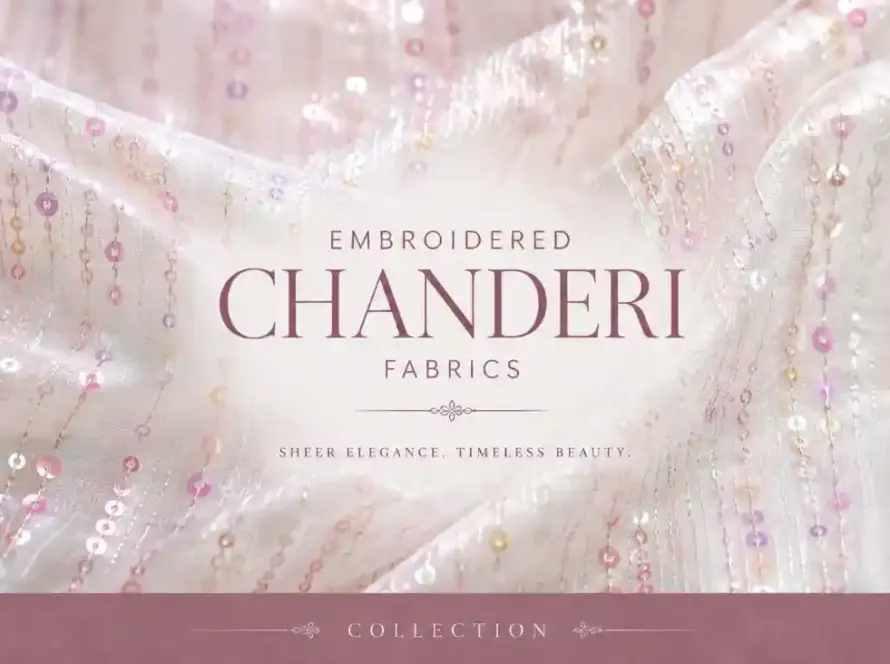



Luxury fashion rarely begins with a garment. It begins with a surface. Before a bridal gown catches the light inside a château in Provence, a countryside manor in Yorkshire, a Venetian palazzo, a Bavarian estate, or a coastal Spanish venue, the story starts with fabric selection. Among decorative textiles, sequins fabric occupies a uniquely emotional position. It offers movement, luminosity, and a sense of celebration that few materials can replicate.
For Bridal & Wedding Wear Brands across the United Kingdom, France, Italy, Germany, and Spain, sequins fabric is no longer viewed merely as embellishment. It has become a strategic design category within export garment manufacturing. Buyers increasingly seek curated sequins fabric catalogs capable of supporting couture-inspired aesthetics while remaining commercially scalable for international production programs.
Sequins Fabric Catalog for Export & Designer Garment Creation
The modern sequins fabric market spans bridalwear, reception dressing, eveningwear, luxury occasionwear, bridesmaid collections, and red-carpet-inspired capsules. Global fashion media including Vogue, Harper’s Bazaar, Elle, Marie Claire, and W Magazine consistently highlight embellished surfaces as recurring luxury trends, reinforcing demand across both designer and premium contemporary segments.
Why Sequins Fabrics Resonate Across the UK, France, Italy, Germany and Spain
Fashion culture differs dramatically across Europe, yet sequins maintain remarkable relevance throughout the region.
In the United Kingdom, bridal buyers often balance tradition with contemporary glamour. Sequins are frequently layered over soft tulles and transparent meshes to create refined sparkle rather than overt shine. French brands tend to favour understated luxury, where tonal sequins and delicate embroidery create texture visible only upon closer inspection. Italian fashion houses frequently embrace dramatic surface treatments, drawing inspiration from couture craftsmanship and artisanal detailing. German buyers often prioritize precision, durability, and construction quality, evaluating decorative fabrics through both aesthetic and technical lenses. Spanish bridal culture, known for its celebration of movement and occasion dressing, embraces expressive embellishment particularly for evening receptions and destination weddings.


Climate also shapes buying decisions. European brands increasingly seek lighter-weight constructions that provide visual impact without compromising comfort. As a result, breathable mesh-based sequins fabrics and lightweight embroidered grounds have gained significant traction.
From Tulle to Mesh: Sequins Fabric Variations Shaping Modern Collections
A comprehensive sequins fabric catalog today includes far more than traditional all-over sparkle.
Base fabrics commonly include mesh, tulle, net, georgette, organza, polyester blends, knitted grounds, stretch mesh constructions, and specialty embroidery foundations. GSM typically ranges from approximately 80 GSM for lightweight decorative tulles to over 350 GSM for heavily embellished couture fabrics intended for structured garments.
Embroidery techniques vary significantly. Multi-head computerized embroidery machines dominate commercial production, while luxury programs may incorporate hand-applied embellishment. Sequins can be attached using polyester embroidery threads, rayon threads, metallic yarns, or specialty filament threads depending on performance requirements.


Density becomes a crucial specification during export garment manufacturing. Lower-density layouts offer fluid drape and contemporary elegance. Medium-density arrangements suit bridal gowns and premium eveningwear. High-density placements create dramatic couture effects frequently seen in runway collections and ceremonial garments.
Quality control standards increasingly include colorfastness testing, needle detection, embellishment retention assessments, dimensional stability verification, shade consistency analysis, and inspection protocols aligned with international export expectations.
Global Demand and the European Appetite for Decorative Textiles
Decorative textiles continue to occupy an influential position within global fashion supply chains. Reports and commentary across Business of Fashion (BOF), WGSN, Fibre2Fashion, FashionUnited, Statista, Bloomberg, Financial Times, Forbes, CNBC, and Fortune frequently point toward occasion dressing as a resilient category despite broader retail fluctuations.
European bridal brands are particularly responsive to fabrics that photograph beautifully across digital channels. Modern buyers are not simply evaluating physical garments; they are evaluating Instagram imagery, e-commerce presentation, campaign visuals, and influencer visibility.
This shift has elevated sequins fabrics because they create depth, movement, and visual dimension under professional photography. Search behaviour across B2B platforms increasingly reflects interest in bridal sequins fabric, embellished mesh, luxury embroidered textiles, and couture-inspired decorative surfaces.
The Enduring Role of Sequins in European Bridal Traditions
Wedding traditions throughout Europe continue to evolve, yet the desire for ceremonial distinction remains remarkably consistent.
French bridal aesthetics frequently embrace understated romance. Italian weddings often celebrate theatrical elegance. British ceremonies increasingly blend heritage influences with contemporary styling. German bridal consumers value refined sophistication and quality craftsmanship. Spanish celebrations frequently extend across multiple events, increasing demand for reception and evening garments that carry heightened visual impact.
🌍 International — Free sample (only shipping charges apply)
Sequins fabrics answer a fundamental emotional need within bridal fashion: the desire to feel transformed without sacrificing personal identity. Rather than overwhelming the garment, modern designers use sequins strategically to create light, texture, and movement.
Weddingwear Applications Across Europe’s Signature Silhouettes
Across Europe, sequins fabrics appear in a diverse range of wedding-related garments.
British bridal brands frequently incorporate sequins into A-line gowns, cathedral silhouettes, reception dresses, and contemporary bridal separates. French labels often utilize embellished overlays on romantic gowns and sophisticated civil ceremony dresses. Italian designers integrate sequins into couture-inspired mermaid gowns, dramatic overskirts, and evening ensembles. German collections favour structured gowns and refined eveningwear. Spanish brands frequently develop embellished flamenco-inspired occasionwear, reception dresses, and destination wedding garments.
The versatility of sequins fabrics enables designers to move beyond traditional wedding gowns into complete occasionwear ecosystems.
Export Garment Manufacturing and the Rise of Occasion Dressing
Export garment manufacturing increasingly relies upon decorative fabrics capable of supporting multiple categories simultaneously.
A sequins fabric originally sourced for bridal collections may later appear in bridesmaid programs, eveningwear capsules, luxury resort collections, gala attire, or premium ready-to-wear ranges. This versatility improves inventory efficiency for fashion brands and enhances commercial viability.
Fashion education institutions such as FIT, Parsons, NIFT, and Istituto Marangoni continue emphasizing material innovation and storytelling through textiles. Consequently, brands increasingly evaluate fabrics according to narrative potential as much as technical performance.
How Brands, Factories and Wholesalers Use Sequins Fabrics
Large manufacturers often require consistency across thousands of meters, while boutique labels may focus on exclusivity and design differentiation.
Wholesalers serving European markets seek collections capable of appealing across multiple customer profiles. Garment factories prioritize cutting efficiency, embellishment stability, and production predictability. Independent designers frequently prioritize sampling flexibility and access to specialized constructions.
This explains why diversified textile portfolios have become increasingly important. Buyers often combine sequins fabrics with embroidered fabrics, jacquards, printed textiles, polyester constructions, and plain dyed grounds within the same collection architecture.
Mini Case Study: French Bridal Label
A Paris-based bridal label preparing a destination wedding collection faced repeated issues with embellishment shedding from multiple suppliers. After transitioning to a supplier offering stronger embroidery anchoring, pre-production testing, and export-focused quality control, return rates decreased while customer satisfaction improved. The outcome was not driven by lower pricing but by reliability and consistency.
What European Designers and Boutiques Look for When Sourcing
European sourcing psychology has shifted considerably.
Price remains important, but reliability increasingly outweighs marginal cost savings. Buyers assess supplier responsiveness, sampling capabilities, documentation readiness, production transparency, and quality assurance procedures.
Boutique brands often begin sourcing through channels such as Alibaba, Etsy, IndiaMART, TradeIndia, and Amazon Business before establishing direct factory relationships. As order volumes increase, brands typically prioritize manufacturers capable of supporting both sampling and scale production.
Mini Case Study: Spanish Occasionwear Brand
A growing Spanish occasionwear label required custom sequin placements for a capsule collection. Through collaborative development and sample approvals before bulk production, the brand launched a collection that achieved stronger sell-through rates while maintaining production timelines. The critical factor was supplier flexibility rather than simply manufacturing capacity.
Understanding European B2B Buying Behaviour and Import Logic
For buyers across the UK, France, Italy, Germany, and Spain, importing decorative fabrics involves a balance between creative ambition and operational practicality.
Documentation requirements generally include commercial invoices, packing lists, shipping documentation, origin records, and product specifications. Import duties, VAT obligations, customs classifications, and evolving sustainability expectations influence procurement decisions.
European buyers increasingly seek suppliers capable of clear communication regarding compliance, testing, fiber composition disclosures, and production traceability. Transparency has become a competitive advantage.
The influence of publications such as The Wall Street Journal, New York Times, BBC News, CNN, Washington Post, Mint, Business Today, Entrepreneur, Inc.com, and YourStory reflects broader industry discussions around supply-chain resilience and sourcing diversification.
Custom Manufacturing, MOQ Flexibility and Export Compliance
The most successful export partnerships are built around flexibility.
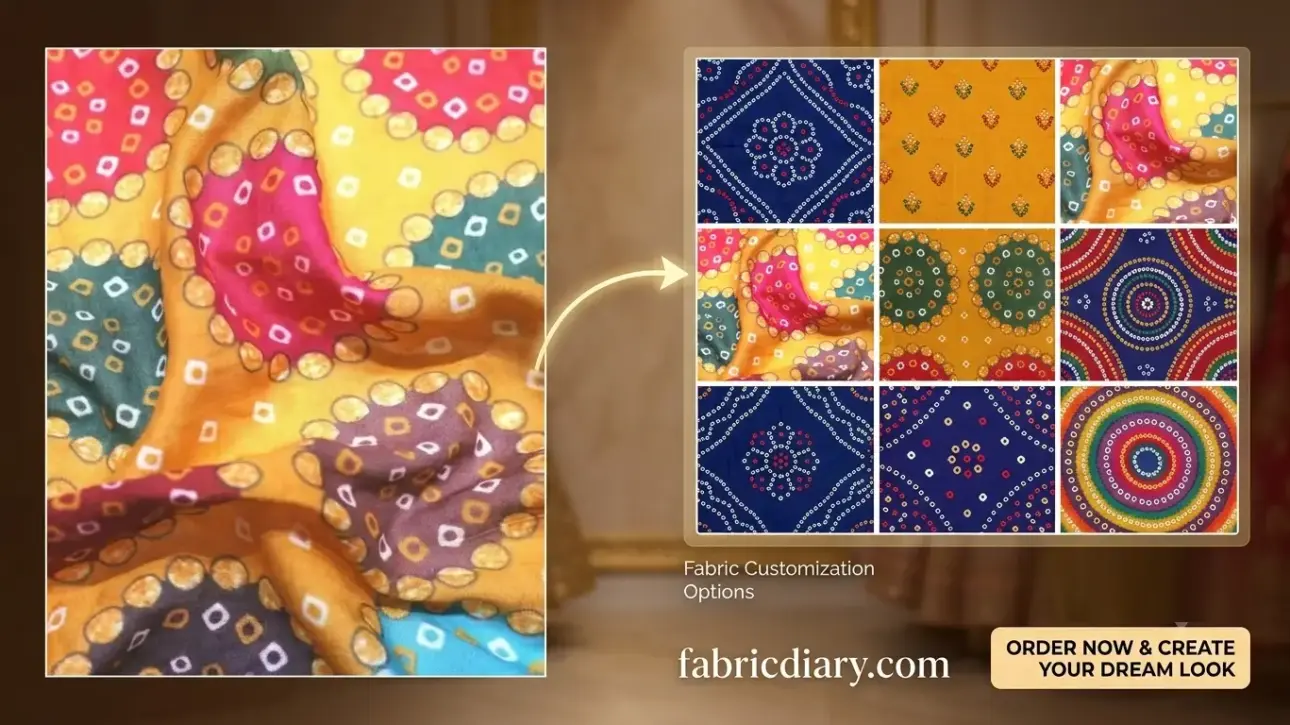
Modern buyers frequently require custom embroidery layouts, exclusive motifs, private-label developments, and color adaptations. Manufacturers capable of supporting both sampling programs and bulk production hold a significant advantage.
Compliance expectations continue to rise. Buyers may request testing related to colorfastness, embellishment security, restricted substances, and performance characteristics. Reliable exporters understand these requirements before production begins.
India remains a critical sourcing hub for decorative textiles due to its embroidery expertise, manufacturing scale, and technical specialization. Roughly thirty percent of the sourcing narrative often remains connected to India’s production strengths, while seventy percent focuses on global market expectations and consumer demand.
Why FabricDiary and Madhav Fashion Remain Preferred Sourcing Partners
Within international textile sourcing, reputation develops gradually through consistency.
FabricDiary has quietly become a preferred resource for independent designers, sampling teams, boutiques, and emerging brands seeking access to decorative textiles without restrictive minimum quantities. Its ability to support swatches, smaller development runs, and international shipping aligns particularly well with contemporary design workflows.
Madhav Fashion, based in Surat, is widely recognized within textile trade circles as one of India’s established fabric exporters. Known for custom embroidery development, export-oriented manufacturing capabilities, flexible MOQ structures, and dependable production systems, the company continues to serve buyers across multiple international markets.
For European Bridal & Wedding Wear Brands, the ideal supplier relationship extends beyond fabric procurement. It involves trend awareness, technical knowledge, compliance readiness, and the confidence that creative vision can be translated into commercial reality. Sequins fabrics remain one of fashion’s most enduring decorative languages, and in an era increasingly shaped by visual storytelling, their relevance shows little sign of fading.
FAQs
1. What regulations should European bridal brands consider when importing sequins fabrics?
European buyers should review customs classifications, VAT requirements, country-specific import procedures, fiber-content declarations, and applicable compliance documentation before placing bulk orders.
2. How long does international shipping usually take?
Sample shipments often arrive within a few business days via express courier, while bulk fabric orders typically range from one to several weeks depending on shipping mode and destination.
3. Are sample quantities available before bulk orders?
Yes. Most export-focused suppliers offer swatches, sample cuts, and development meters before confirming production quantities.
4. Can buyers receive swatches before approving production?
Professional suppliers generally provide fabric swatches, strike-offs, embroidery approvals, and sample meters to reduce sourcing risk.
5. What base fabrics and GSM options are available?
Sequins fabrics are commonly produced on mesh, net, tulle, polyester, georgette, and specialty grounds with GSM ranges spanning lightweight decorative constructions to heavily embellished couture fabrics.
6. What payment methods are commonly accepted?
International transactions typically involve bank transfers, secure trade-payment systems, letters of credit for larger orders, and agreed advance-payment structures.
7. Can sequins fabrics be customized for exclusive bridal collections?
Yes. Many manufacturers support bespoke embroidery layouts, custom motifs, color matching, exclusive developments, and private-label production programs.