


The global eveningwear industry has quietly transformed from a seasonal luxury category into a year-round visual economy powered by social media, destination weddings, celebrity culture, and experiential fashion retail. Within this transformation, crystal sequin fabric has emerged as one of the most commercially influential textile categories for evening gowns, couture dresses, red-carpet silhouettes, luxury modest fashion, bridal couture, and premium partywear manufacturing.
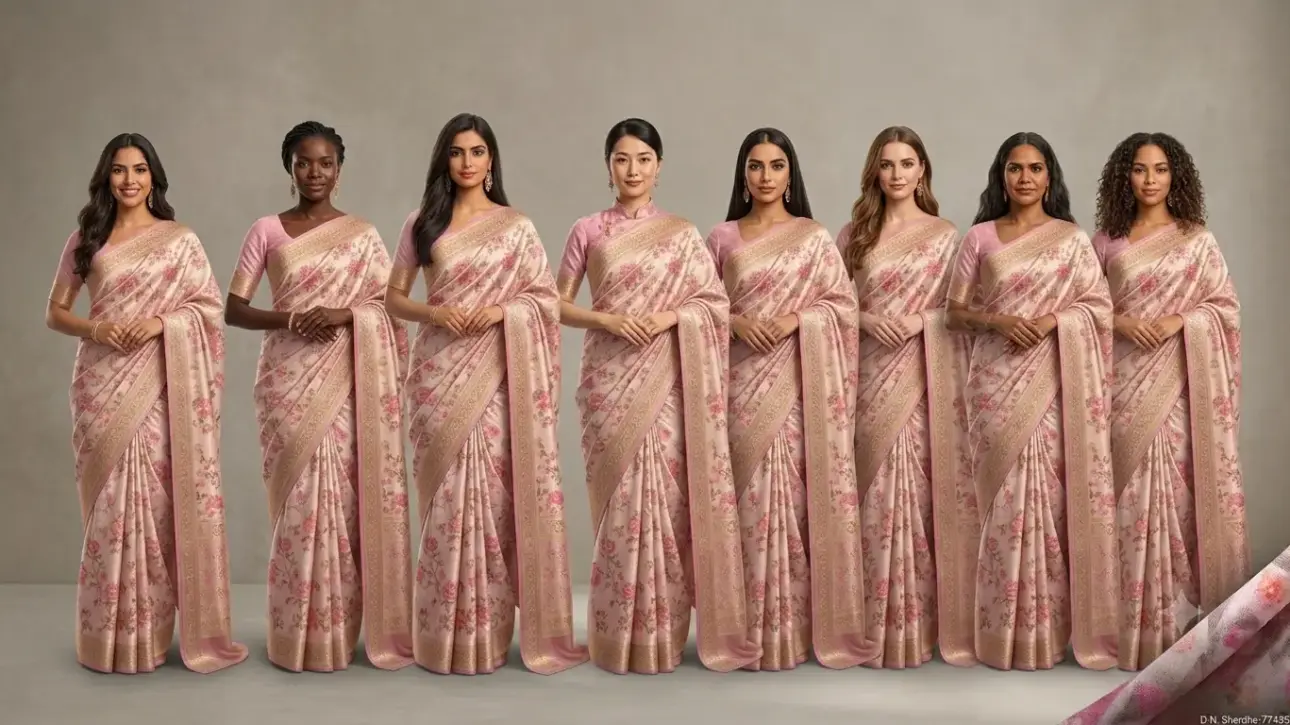
Buyers no longer source fabrics merely for utility; they source emotional visibility. A garment today must photograph well under LED lighting, move elegantly in video content, and create psychological impact in both physical and digital environments. Crystal sequin fabrics accomplish precisely that.
Crystal Sequin Fabric Manufacturer For Evening Gowns
Across India, the Middle East, Europe, North America, Southeast Asia, and Africa, garment manufacturers increasingly seek fabrics that combine glamour with scalable production viability. Surat, India—particularly through manufacturers like Madhav Fashion—has become strategically important in this ecosystem because it offers a rare balance between artisanal embellishment traditions and industrial-scale export manufacturing.
Buyers searching for “Crystal Sequin Fabric Manufacturer For Evening Gowns” are typically not casual browsers. They are boutique owners in Dubai preparing Ramadan evening collections, bridalwear houses in London sourcing couture bases, Los Angeles occasionwear brands building influencer-focused capsules, Nigerian asoebi designers requiring dramatic reflective textiles, or Indian lehenga manufacturers scaling festive inventory before wedding season.
Buyer psychology in this segment is deeply tied to perceived luxury. Sequins psychologically communicate celebration, status, movement, and confidence. According to fashion commentary often discussed in Vogue and Harper’s Bazaar, shimmer fabrics trigger emotional associations linked to nightlife, ceremony, prestige, and femininity. This explains why crystal sequin fabrics maintain commercial resilience even during economic slowdowns. Consumers may reduce luxury spending broadly, yet occasionwear and ceremonial dressing often remain protected categories.
For garment manufacturers, however, sourcing crystal sequin fabric is also a risk-management exercise. Common concerns include inconsistent embroidery density, sequin fallout during stitching, delayed exports, inaccurate GSM, poor backing fabric strength, and unreliable repeat orders. This is why manufacturers and exporters from Surat who maintain strong quality control systems, computerized embroidery precision, and stable export documentation processes increasingly dominate international sourcing conversations.
FabricDiary and Madhav Fashion operate at the intersection of these global expectations. FabricDiary supports low-MOQ sampling and designer experimentation, while Madhav Fashion addresses large-volume manufacturing and export reliability for international buyers seeking scalability without compromising decorative sophistication.
Fabric Characteristics Admired in Universal / Global (Climate, Lifestyle, Fashion)
Crystal sequin fabrics occupy a technically complex space within decorative textiles because they must balance visual drama with wearability. A premium crystal sequin fabric for evening gowns typically ranges between 120 GSM and 350 GSM depending on base composition, embroidery density, and intended garment structure. Lightweight variants are favored for fluid gowns and layered evening silhouettes, while denser constructions support structured couture garments and bridal ensembles.
Globally, buyers increasingly demand multi-functional sequin fabrics capable of adapting across climates. In tropical regions such as India, Southeast Asia, and parts of Africa, breathable mesh-backed sequins with moderate embroidery density are preferred because they reduce heat retention during long wedding ceremonies and outdoor events. In colder fashion markets such as the United Kingdom, Canada, or Northern Europe, heavier crystal sequin textiles layered over velvet, satin, or knit bases are popular for winter gala collections.
The technical architecture of these fabrics significantly influences buyer decisions. Common yarn compositions include polyester filament yarn, viscose blends, nylon mesh, georgette bases, and stretch net constructions. Sequins may be attached using Schiffli embroidery machines, multi-head computerized embroidery systems, or ultrasonic embellishment technologies depending on the required finish. Lock stitch reinforcement and high-density sequin anchoring reduce shedding during garment production, a factor particularly important for export-oriented brands managing return rates.
Luxury eveningwear brands often evaluate sequin fabrics based on movement behavior under artificial lighting. Crystal sequins create a multidirectional reflective effect that performs exceptionally well in photography, fashion events, and social media video formats. This optical behavior has become commercially critical in the Instagram and TikTok era, where consumers increasingly purchase garments based on visual impact rather than tactile experience alone.
Quality-conscious buyers also assess:
- Embroidery consistency per square meter
- Sequin alignment accuracy
- Fabric shrinkage behavior
- Needle penetration tolerance
- Colorfastness under steam pressing
- Tensile strength during cutting
- Wash-care compatibility
- Export packing durability
Manufacturers in Surat have gained international relevance because they can integrate these technical standards into high-volume production while remaining cost-competitive compared to European embellishment mills.
Fabric Variations/Types + Universal / Global Fashion Influence
Crystal sequin fabrics are no longer a singular category. They now exist within a diversified global design language shaped by regional aesthetics, luxury retail trends, and evolving consumer identities.
One of the most commercially successful variants is all-over sequin embroidery on soft mesh. This style dominates evening gowns in the United States, the Gulf region, and Europe because it creates continuous reflective surfaces ideal for body-contouring silhouettes. Another rising category includes geometric crystal sequin embroidery inspired by Art Deco motifs, particularly favored by luxury cocktailwear brands.


In India, bridal and festive manufacturers increasingly combine crystal sequins with zari embroidery, mirror work, thread detailing, and bead embellishments to create hybrid surfaces suitable for lehengas, sarees, Indo-Western gowns, and reception wear. Meanwhile, African designers often prefer larger reflective sequins with bold pattern spacing suitable for ceremonial attire and high-energy celebration aesthetics.
Fashion forecasting agencies like WGSN and BOF frequently discuss the cyclical return of maximalism in luxury fashion. Crystal sequin textiles benefit directly from this shift. After years dominated by minimalist neutral dressing, consumers globally are embracing emotionally expressive occasionwear. Sequins symbolize optimism, celebration, and visual individuality.
Popular global variations include:
- Holographic crystal sequin fabric
- Matte sequin embroidered mesh
- Stretch crystal sequin knit
- Ombre sequin textiles
- Reversible sequin fabric
- Laser-cut sequin embroidery
- Floral sequin net fabrics
- Linear geometric sequin designs
- Pearl and crystal mixed embellishment fabrics
- Metallic gradient sequin surfaces
Luxury boutiques in Paris may demand subtle champagne-toned crystal embroidery, while Dubai buyers often favor dense gold and silver reflective surfaces. Indian buyers continue showing strong preference for rose gold, ivory shimmer, emerald green, wine, navy, and champagne palettes for weddingwear production.
This regional diversity makes customization capability increasingly essential for manufacturers serving global buyers.
Global Demand + Specific Universal / Global Demand Trends
The demand for crystal sequin fabrics has expanded far beyond traditional bridal markets. Today, global consumption is influenced by multiple overlapping industries including influencer fashion, destination weddings, luxury modest wear, entertainment costumes, prom fashion, cruise collections, and high-visibility retail merchandising.
Statista and Business Insider frequently highlight the rapid expansion of the global occasionwear sector, particularly among younger consumers investing in event-specific fashion. Social media has intensified outfit differentiation pressure. Consumers now expect unique garments for every major event, fueling faster inventory turnover among boutiques and garment manufacturers.
🌍 International — Free sample (only shipping charges apply)
Several major demand trends currently shape sourcing behavior:
1. Destination Wedding Growth
Luxury weddings in locations such as Dubai, Bali, Rajasthan, Santorini, and Tuscany have increased demand for lightweight but visually dramatic sequin fabrics suitable for travel-friendly couture.
2. Modest Fashion Expansion
Middle Eastern and Southeast Asian markets increasingly use crystal sequins in abayas, kaftans, modest evening gowns, and layered ceremonial garments.
3. Red Carpet Democratization
Celebrity-inspired fashion has expanded beyond couture houses. Mid-market brands now seek fabrics that emulate luxury runway aesthetics at commercially scalable costs.
4. Seasonal Capsule Production
Retailers increasingly produce smaller, trend-responsive collections. This increases demand for low MOQ sourcing and rapid sampling support.
5. Bridal Fusionwear
Modern brides globally combine traditional and contemporary aesthetics, increasing demand for adaptable embellished fabrics.
Surat-based manufacturers have become highly competitive in this environment because they can support both small boutique orders and large-scale factory production cycles with comparatively faster lead times.
Bridal Wear Relevance (Universal / Global Traditions & Customs)
Bridalwear remains one of the strongest commercial drivers of crystal sequin fabric demand worldwide. Weddings are emotional economies where textiles communicate identity, aspiration, and social memory. Across cultures, shimmer and embellishment symbolize festivity, prosperity, femininity, and ceremonial grandeur.
In India, sequined bridal fabrics dominate reception gowns, sangeet outfits, cocktail lehengas, and modern saree concepts. Brides increasingly seek garments that merge cinematic glamour with traditional craftsmanship. Designers trained at institutions such as NIFT and Istituto Marangoni frequently reinterpret heritage silhouettes using contemporary embellished textiles.
In the Middle East, crystal sequins are heavily used in couture abayas, engagement gowns, and layered wedding dresses emphasizing regal visual impact. European bridal fashion often incorporates subtler crystal detailing in champagne, ivory, nude, and silver palettes. In African wedding fashion, bold sequin surfaces create powerful ceremonial presence, especially in celebratory group dressing traditions.
The emotional psychology of bridal purchases differs from regular fashion consumption. Brides prioritize memorability over practicality. This makes premium embellishment fabrics commercially resilient despite fluctuations in broader retail markets.
For manufacturers, bridalwear fabrics must satisfy stricter technical expectations:
- Comfortable lining compatibility
- Minimal sequin fallout
- High embroidery durability
- Precision cutting stability
- Long ceremony wear comfort
- High-definition photography appeal
This is where experienced embroidery manufacturers gain strategic advantage.
Wedding Wear Applications + Outfit Names Used in Universal / Global
Crystal sequin fabrics are now integrated into a remarkably diverse range of ceremonial garments worldwide. Their adaptability across silhouettes and cultural formats explains their enduring relevance.
In India, these fabrics are extensively used for:
- Lehengas
- Saree gowns
- Indo-Western drapes
- Shararas
- Anarkalis
- Reception gowns
- Cocktail blouses
- Bridal dupattas
In the Middle East:
- Kaftans
- Abayas
- Jalabiyas
- Couture evening dresses
In Western markets:
- Mermaid gowns
- Ball gowns
- Prom dresses
- Corset eveningwear
- Cocktail dresses
- Bridal after-party outfits
In Africa:
- Asoebi ensembles
- Celebration gowns
- Ceremonial wrappers
- Contemporary fusion couture
Luxury boutiques increasingly demand fabrics adaptable to multi-category usage because inventory flexibility reduces commercial risk. A crystal sequin mesh initially intended for bridalwear may later be repurposed into festivewear or eveningwear collections.
This adaptability enhances sourcing efficiency for wholesalers and garment factories.
Partywear/Evening Wear Demand + Cultural Examples (Universal / Global)
Eveningwear has evolved into one of the most psychologically driven fashion categories globally. Consumers purchase partywear not only for utility but for visibility, identity signaling, and emotional transformation.
Crystal sequin fabrics perform exceptionally well in nightlife environments because reflective surfaces interact dynamically with LED lighting, photography flash, and motion. Fashion editors at Vogue and Harper’s Bazaar frequently associate sequins with confidence dressing and post-minimalist luxury.
Global partywear demand is influenced by:
- Celebrity culture
- Music festivals
- Luxury nightlife
- Awards ceremonies
- Cruise fashion
- New Year celebrations
- Corporate galas
- Destination events
In India, cocktail functions and pre-wedding parties have become major consumption drivers. In Dubai and Saudi Arabia, luxury evening gatherings sustain strong demand for heavily embellished gowns. In the United States, prom and formalwear markets create recurring seasonal demand cycles.
Mini Case Example: A boutique manufacturer in London sourcing low-MOQ crystal sequin mesh from Surat was able to launch a limited influencer capsule collection within six weeks. The collection achieved strong online engagement because reflective fabrics translated effectively across social media video formats. Such agile sourcing models increasingly define modern fashion retail.
Garment Manufacturing Usage (Brands, Factories, Wholesalers in Universal / Global)
Crystal sequin fabrics are deeply integrated into industrial garment manufacturing ecosystems. They are not restricted to couture ateliers anymore. Mid-market brands, export houses, occasionwear factories, wholesalers, and private-label manufacturers now use embellished textiles at scale.
Factories producing evening gowns evaluate crystal sequin fabrics based on:
- Cutting efficiency
- Embroidery durability during stitching
- Bulk consistency
- Reorder reliability
- Export-friendly packing
- Shade continuity across lots
Common manufacturing applications include:
- Ready-to-wear evening gowns
- Luxury private-label collections
- Boutique bridal capsules
- Resortwear occasion pieces
- Performance costumes
- Modest luxury fashion
- Retail chain occasionwear
B2B buyers frequently source through platforms like Alibaba, IndiaMART, TradeIndia, Etsy wholesale channels, and Amazon Business before transitioning into direct factory relationships for better pricing stability and customization access.
Surat manufacturers increasingly compete internationally because they combine embroidery specialization with vertically integrated textile operations.
Designer + Boutique Preferences in Universal / Global
Designers and boutique owners approach crystal sequin fabrics differently from mass manufacturers. Their purchasing behavior is influenced by originality, drape quality, exclusivity, and storytelling potential.
Boutiques often prefer:
- Smaller production runs
- Unique embroidery layouts
- Exclusive color combinations
- Soft-touch backing materials
- Experimental textures
Fashion schools such as Parsons, FIT, and NIFT continue encouraging designers to explore embellished textiles within contemporary couture narratives. As a result, younger designers increasingly seek manufacturers capable of supporting creative customization rather than rigid catalog-only sourcing.
FabricDiary addresses this segment effectively through:
- Swatch support
- Designer-friendly MOQ
- Sampling flexibility
- Trend-responsive sourcing
- Boutique quantity assistance
This capability matters because many emerging designers cannot immediately commit to container-scale production but still require premium textile access.
B2B Sourcing Behavior, Import Habits, Bulk-Buy Logic (Universal / Global)
Global fabric sourcing is increasingly driven by operational efficiency rather than pure pricing. Buyers today evaluate suppliers through a risk-adjusted lens.
Common concerns include:
- Shipment delays
- Inconsistent embroidery quality
- Communication gaps
- Documentation errors
- MOQ rigidity
- Unstable repeat availability
Bulk buyers typically request:
- Fabric videos under studio lighting
- GSM verification
- Swatch dispatch
- Pantone matching
- Export compliance details
- Production lead times
- Container optimization advice
Importers from the US, UK, UAE, Nigeria, Australia, and Europe often diversify suppliers to reduce sourcing vulnerability. However, once reliability is established, they prefer long-term partnerships due to repeat shade consistency and manufacturing familiarity.
Mini Case Example: A Dubai-based modestwear brand initially sourced through Alibaba but shifted to direct Surat manufacturing after facing inconsistent embroidery density from intermediaries. Direct factory engagement improved production predictability and reduced seasonal delays.
Reliable exporters increasingly differentiate themselves through:
- Transparent QC systems
- Real-time production updates
- Export documentation support
- Consistent communication
- Packaging durability
- Repeat-order reliability
Custom Manufacturing, MOQ, Export Factors, Reliability Markers
Customization has become a defining expectation in global textile sourcing. Buyers increasingly seek differentiation in saturated fashion markets, making flexible manufacturing partnerships commercially valuable.
Custom crystal sequin fabric production may involve:
- Exclusive embroidery patterns
- Custom sequin shapes
- Brand-specific color palettes
- Stretch adaptations
- Embellishment density modifications
- Mixed embroidery techniques
Technical production often uses:
- Multi-head computerized embroidery machines
- Schiffli embroidery systems
- High-speed sequin attachment machinery
- Laser alignment systems
- Automated tension calibration
Reliable quality control includes:
- Needle detection systems
- Embroidery alignment inspection
- Shrinkage testing
- Colorfastness verification
- Sequin adhesion testing
- Roll-by-roll inspection
International buyers also evaluate:
- HS code familiarity
- Export documentation accuracy
- Compliance readiness
- Packaging standards
- Container loading efficiency
- Freight coordination capability
Madhav Fashion’s Surat manufacturing ecosystem supports both high-volume exports and flexible customization, helping buyers manage seasonal demand volatility more effectively.
Why FabricDiary & Madhav Fashion are Ideal for Universal / Global Buyers
The modern global fabric buyer operates within a high-pressure environment shaped by shrinking fashion cycles, rising customer expectations, and increasing inventory risks. Success depends not merely on sourcing attractive fabrics, but on finding manufacturing partners capable of balancing creativity, consistency, speed, and commercial practicality.
FabricDiary addresses the growing global need for accessible premium sourcing. Independent designers, boutique labels, sampling teams, fashion startups, and capsule collection developers benefit from low MOQ access, swatch support, and designer-friendly purchasing flexibility. This approach aligns with the modern fashion economy, where experimentation and rapid prototyping increasingly drive brand differentiation.
Madhav Fashion, based in Surat, represents the industrial strength behind scalable production. Its capabilities in embroidered textiles, sequin fabrics, export logistics, and global manufacturing support make it strategically relevant for wholesalers, garment factories, importers, and large-scale occasionwear brands worldwide.
What global buyers increasingly value includes:
- Reliable repeat quality
- Export-ready infrastructure
- Fast communication
- Competitive factory pricing
- Flexible production capacity
- Technical embroidery expertise
- Consistent shipment coordination
In an industry where missed timelines can collapse entire seasonal launches, dependable sourcing relationships become as valuable as the fabrics themselves. Crystal sequin fabrics remain emotionally powerful textiles because they transform garments into experiences. Manufacturers capable of delivering that transformation consistently will continue shaping the future of global eveningwear.
FAQs
Q1. What is the typical import process for crystal sequin fabrics globally?
Most international buyers begin with swatch approval, followed by MOQ confirmation, proforma invoice issuance, production scheduling, quality inspection, and freight dispatch via air or sea cargo. Export documentation generally includes commercial invoice, packing list, HS codes, and shipping paperwork.
Q2. What are the standard shipping timelines for bulk orders?
Sampling usually takes a few days, while bulk production timelines may range from 2–6 weeks depending on embroidery complexity, customization requirements, and order quantity. Air freight is faster, while sea freight is more economical for larger shipments.
Q3. What MOQ options are available?
FabricDiary supports smaller designer-friendly quantities and sampling needs, while Madhav Fashion accommodates larger wholesale and factory-scale orders for global buyers.
Q4. Can international buyers request fabric samples before ordering?
Yes. Swatch support and sample yardage are commonly offered to help buyers evaluate embroidery quality, GSM, color accuracy, and garment suitability before committing to production.
Q5. What types of crystal sequin fabrics are most popular?
Popular categories include all-over sequin mesh, holographic sequins, stretch sequin knits, geometric embroidery sequins, ombre sequin fabrics, and bridal couture sequin textiles.
Q6. What payment terms are commonly used in international textile sourcing?
Global buyers generally use advance payments, TT bank transfers, LC arrangements for larger orders, or milestone-based payment structures depending on relationship history and order scale.
Q7. Can custom embroidery and exclusive designs be manufactured?
Yes. Many global buyers request custom embroidery layouts, Pantone color matching, exclusive motifs, modified embroidery density, and private-label fabric developments.
Thank you for reading our article and exploring FabricDiary — a leading global B2B designer fabric platform featuring thousands of ready-to-source collections for fashion brands, garment manufacturers, boutiques, wholesalers, and couture designers worldwide. We regularly publish detailed insights on fabric trends, embroidery techniques, sourcing strategies, and international textile markets to help buyers make informed decisions in the evolving fashion industry.
For complete long-form articles, sourcing assistance, fabric inquiries, custom developments, swatch support, or bulk order discussions related to any of the topics above, feel free to connect with our team at: info.fabricdiary@gmail.com
Top Allover Embroidered Organza Fabric Collections for Fashion Brands
Explore premium allover embroidered organza fabrics developed for designers, garment manufacturers, and global boutiques seeking elegant textures with export-ready production quality.
Sequins Embroidered Organza Fabric for Couture & Eveningwear Manufacturing
Discover sequins embroidered organza fabrics crafted for bridalwear, evening gowns, and luxury occasionwear collections with dependable wholesale supply and customization support.
Global Manufacturer of Embroidered Organza Fabrics for Bulk Buyers
Access fashion-forward embroidered organza fabrics produced with advanced embroidery techniques, stable quality standards, and scalable manufacturing for international sourcing needs.
Trusted Asian Supplier of Premium Embroidered Organza Fabrics
Source trend-led embroidered organza fabrics from Asia’s reliable supplier network offering designer collections, competitive factory pricing, and worldwide delivery capabilities.
Zari Work Embroidered Organza Fabrics for International Fashion Markets
Browse zari work embroidered organza fabrics tailored for bridal couture, festivewear, and premium fashion labels requiring export-quality finishing and consistent supply.
Luxury Thread Work Embroidered Organza Fabrics for Designer Collections
Premium thread work embroidered organza fabrics designed for couture brands, boutiques, and manufacturers seeking elegant craftsmanship with flexible global sourcing support.
Contemporary Cording Work Embroidered Organza Fabric Manufacturer
Explore innovative cording work embroidered organza fabrics developed for modern fashion production, luxury garments, and designer collections across global apparel markets.
Printed Embroidered Organza Fabrics for Trend-Driven Fashion Production
Discover printed embroidered organza fabrics combining artistic surface design with embroidery detailing for brands, boutiques, and export-oriented garment manufacturers worldwide.
Jaquard and Brocade Embroidered Organza Fabrics for Premium Fashion
Source jaquard and brocade embroidered organza fabrics crafted for luxury ethnicwear, couture collections, and occasionwear brands demanding refined textile detailing.
Export-Quality Embroidered Organza Fabrics for Global Wholesale Buyers
Access embroidered organza fabrics suitable for wholesale sourcing, garment manufacturing, and designer production with reliable export support and scalable inventory options.
Premium Embroidered Organza Fabrics Crafted for Global Fashion Brands
Explore premium embroidered organza fabrics featuring elegant embroidery techniques, modern color palettes, and dependable production support for international buyers.
Shop Embroidered Organza Fabrics Online for Bulk & Boutique Orders
Shop embroidered organza fabrics online at wholesale-friendly pricing with access to designer collections, custom developments, and worldwide shipping support for fashion businesses.
Buy Embroidery Fabrics Online for Sampling & Garment Manufacturing
Browse embroidery fabrics online for boutique sampling, private-label production, and bulk sourcing with trend-focused designs and export-ready fabric quality.
Designer Embroidered Fabrics Online for Fashion & Couture Production
Purchase designer embroidered fabrics online developed for luxury fashion labels, bridalwear manufacturers, and garment exporters requiring premium textile collections.