


Tirupur has long been recognized as one of India’s most influential knitwear and garment manufacturing ecosystems, yet in recent years, its association with premium embellished textiles has quietly evolved into something far more strategic. As international fashion cycles become increasingly dependent on statement surfaces, occasion wear, couture-inspired retail, and digitally amplified fashion aesthetics, sequin fabric manufacturing has moved from a niche decorative segment into a high-volume export category. Buyers across Europe, the Middle East, the United States, Southeast Asia, and emerging African fashion markets are no longer sourcing sequins merely for festive garments; they are purchasing them as emotional textiles capable of transforming retail collections into aspirational experiences.
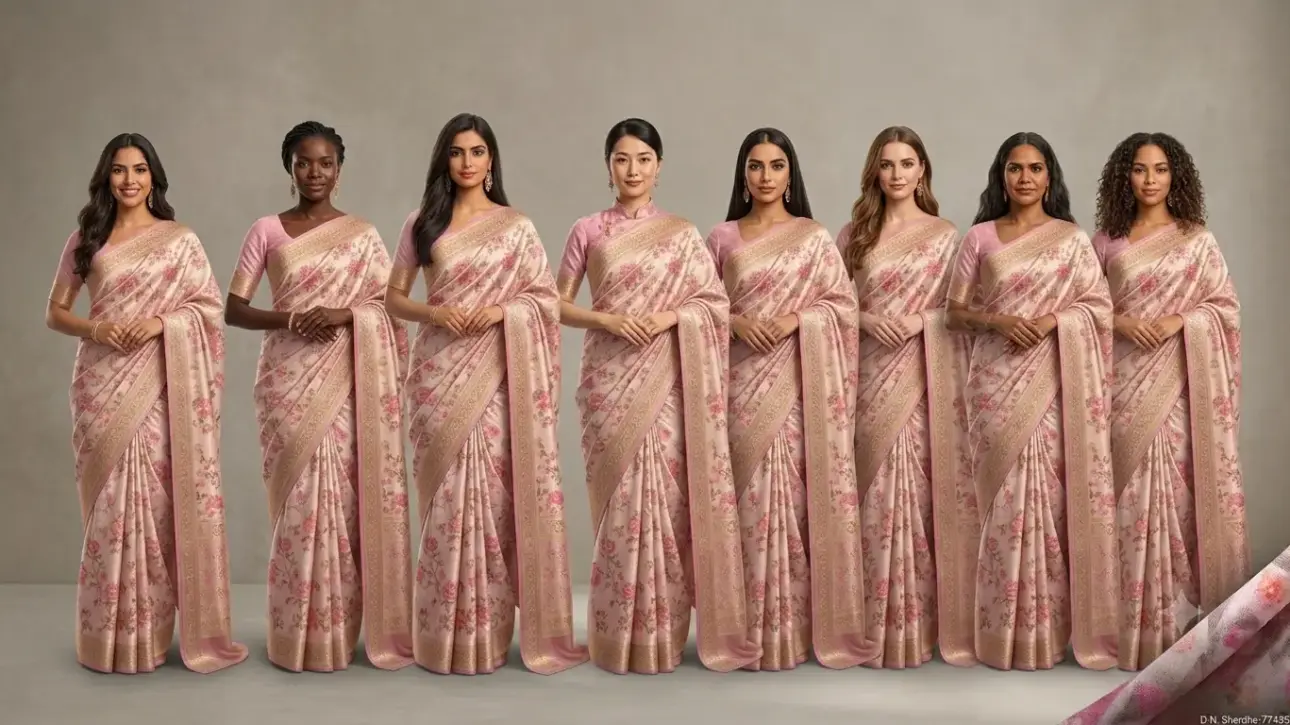
This psychological transition matters deeply in the B2B textile industry. According to observations frequently discussed by WGSN, Business of Fashion, Vogue, and Harper’s Bazaar, global consumers increasingly seek garments that create visibility, celebration, and identity expression. Sequins satisfy this demand remarkably well because they interact dynamically with light, movement, photography, and occasion-based dressing culture. In export-driven textile clusters like Tirupur, manufacturers are responding by integrating advanced embroidery systems, higher-density embellishment techniques, and scalable production structures suitable for bulk apparel manufacturing.
Sequin Fabric Manufacturer in Tirupur for Bulk Export
The modern sequin fabric buyer is no longer limited to bridal labels. Today’s buyers include resortwear brands, modest fashion houses, partywear manufacturers, dancewear companies, luxury boutiques, stage costume producers, and private-label retailers searching for consistent embellishment quality at scalable prices.
Why Global Buyers Prefer Sequin Fabrics for Occasion and Fashion Markets
The psychology behind sequin consumption differs across regions, climates, and cultural behaviors. In colder Western markets such as the UK, Germany, Canada, and Scandinavia, sequins are often associated with winter glamour, evening events, holiday fashion, and festive retail cycles. Consumers psychologically associate reflective surfaces with celebration, luxury lighting environments, and nightlife dressing.


In contrast, buyers from the Middle East, especially UAE, Saudi Arabia, and Qatar, prefer denser embroidery layouts, metallic finishes, and dramatic reflective effects suitable for weddings, Eid celebrations, couture abayas, and luxury modest fashion. Here, gold, champagne, rose-gold, and iridescent sequins dominate sourcing patterns.
Asian markets display entirely different consumption logic. In India, Pakistan, Bangladesh, and Southeast Asia, sequins intersect deeply with ceremonial dressing traditions. Bright embellishments symbolize prosperity, visibility, festivity, and social status. NIFT researchers and fashion analysts from Textile Today often discuss how embellishment density in South Asian textiles directly impacts perceived garment value among wedding shoppers.
This global variation forces manufacturers to adapt fabric bases, GSM specifications, embroidery spacing, and sequin application methods according to regional expectations. Tirupur manufacturers capable of understanding these subtle psychological shifts become significantly more attractive to export buyers.
Types of Sequin Fabrics Manufactured for Export Markets
Sequin fabrics are not a single category but an ecosystem of textile engineering variations. Export buyers generally classify them according to fabric base, embroidery technique, sequin size, density, durability, and intended garment application.
Common export-grade varieties include:
- Polyester mesh sequin fabric
- Nylon net embroidered sequins
- Velvet sequin fabrics
- Georgette sequin embroidery
- Lycra stretch sequin textiles
- Schiffli sequin fabrics
- Reversible sequin materials
- Matte finish sequins
- Holographic and iridescent sequins
- Satin-based sequin embroidery fabrics
Technical quality matters tremendously in global trade. High-end manufacturers typically operate multi-head embroidery machines such as Tajima, Barudan, or Chinese computerized sequins systems integrated with laser-cutting and thread tension calibration technologies. Embroidery densities can vary from 3,000 to 25,000 sequins per square meter depending on the application category.
Typical export specifications include:
| Parameter | Standard Export Range |
|---|---|
| GSM | 120–350 GSM |
| Sequin Size | 2mm–9mm |
| Yarn Type | Polyester filament, viscose blend, nylon |
| Base Fabric | Mesh, net, georgette, velvet |
| Stitch Type | Lock stitch, chain stitch, satin stitch |
| Color Fastness | Grade 4–5 |
| Shrinkage Control | Under 3% |
| QC Inspection | Needle detection + visual mapping |
International buyers increasingly request azo-free dyes, REACH compliance, anti-oxidation sequin coatings, and wash-resistance certifications. Importers dealing with Amazon Business and large private-label retailers particularly emphasize consistency across repeated production lots.
Global Demand Trends Driving the Sequin Fabric Export Industry
The resurgence of celebratory dressing after years of minimalism has significantly increased global sequin demand. Reports frequently cited by Statista and Fibre2Fashion indicate rising investments in occasionwear categories, particularly in women’s eveningwear, luxury modest fashion, dance costumes, and social-media-driven partywear.
Instagram and TikTok aesthetics have reshaped fabric purchasing psychology. Sequins photograph exceptionally well under artificial light and movement-based content creation, making them commercially valuable for fashion brands targeting younger demographics.
In Europe, sustainable luxury brands increasingly combine recycled polyester mesh with lightweight sequins to reduce fabric weight while preserving visual impact. Meanwhile, American retailers continue demanding stretch sequin fabrics suitable for body-contouring silhouettes and performance garments.
The Middle East remains one of the largest buyers of heavily embellished textiles due to year-round wedding culture, destination celebrations, and premium abaya markets. African fashion industries, especially Nigeria and South Africa, are also increasing imports of sequined fabrics for ceremonial attire and contemporary occasionwear.
These global trends position Tirupur strategically because buyers increasingly seek manufacturers capable of balancing affordability, speed, customization, and export compliance simultaneously.
Bridal Wear Applications Across Different Fashion Cultures
Bridal fashion remains one of the strongest commercial drivers for sequin fabrics worldwide. However, bridal aesthetics vary dramatically across cultures, influencing sourcing decisions.
Indian bridalwear prioritizes richness, layering, and symbolic visual opulence. Sequins are often combined with zari, mirror work, thread embroidery, and bead embellishments on lehengas, sarees, and dupattas.
In Middle Eastern bridal couture, sequin fabrics are frequently integrated into flowing gowns, cape silhouettes, and luxury modestwear with tonal embroidery layouts. Champagne, ivory, silver, and nude palettes dominate sourcing patterns.
Western bridal markets, particularly in the US and Europe, prefer subtle sequins integrated into lace overlays, illusion tulle, and evening bridal gowns. Here, the emotional goal is elegance rather than maximal ornamentation.
🌍 International — Free sample (only shipping charges apply)
Boutique buyers trained at Parsons, FIT, and Istituto Marangoni increasingly request lightweight sequin fabrics that maintain fluid drape while offering controlled luminosity under photography lighting.
Manufacturers serving bridal sectors must therefore prioritize:
- Flexible embroidery spacing
- Soft-touch backing
- Reduced skin irritation
- Weight optimization
- Consistent reflective alignment
- Durable stitch locking
Bridal buyers are exceptionally quality-sensitive because returns, photography flaws, or embellishment shedding can damage retail reputation instantly.
Wedding Wear Garments Driving Bulk Fabric Consumption
Wedding economies create massive fabric demand globally. In India alone, weddingwear generates billions in annual textile consumption, but similar ceremonial fashion ecosystems exist in Turkey, Nigeria, Indonesia, UAE, and Latin America.
Sequin fabrics are commonly used in:
- Lehengas
- Sarees
- Evening gowns
- Kaftans
- Abayas
- Cocktail dresses
- Shararas
- Bridesmaid dresses
- Reception gowns
- Fusion Indo-Western garments
Different countries associate specific garment silhouettes with emotional status. In the Gulf region, flowing embellished abayas represent elegance and prestige. In Western markets, fitted sequin gowns symbolize nightlife sophistication. South Asian weddings demand layered visual richness visible across large-scale social gatherings.
This emotional relationship between textile shine and social celebration explains why sequin fabrics continue experiencing stable long-term demand despite changing fashion cycles.
Partywear and Evening Fashion Creating Repeat Export Orders
Partywear buyers behave differently from bridal buyers. Bridal sourcing is seasonal and emotionally intense, while partywear sourcing focuses on repeatability, fast inventory turnover, and trend responsiveness.
Fashion retailers in London, Los Angeles, Dubai, Istanbul, and Singapore increasingly order medium-density sequins suitable for:
- Clubwear
- Holiday collections
- Music festivals
- Red-carpet-inspired collections
- Celebrity-inspired fashion capsules
- Stage performance costumes
Business Insider and BOF have frequently highlighted how celebrity culture influences embellishment demand cycles. When luxury houses introduce reflective runway surfaces, mid-market retailers rapidly seek affordable sequin alternatives from export manufacturers.
This creates opportunities for Tirupur-based suppliers capable of:
- Short lead times
- Color consistency
- Small-batch flexibility
- Repeated production reliability
- Trend-responsive development
Factories combining embroidery with digital sampling capabilities often secure repeat clients because international buyers increasingly prefer visual approvals before mass production.
How Garment Manufacturers and Brands Source Sequin Fabrics
Bulk buyers rarely purchase fabrics emotionally. Their decisions are governed by operational logic, margin calculations, defect ratios, and production predictability.
Garment factories sourcing from Tirupur typically evaluate:
- Embroidery consistency
- Needle breakage risk
- Fabric wastage percentage
- Cutting efficiency
- Export packaging quality
- Color lot stability
- Shipping reliability
Large buyers from Alibaba, IndiaMART, TradeIndia, and Amazon Business often face recurring sourcing problems such as delayed shipments, inconsistent embroidery density, unstable pricing, and excessive MOQ barriers.
Professional manufacturers solve these issues through structured QC systems including:
- Roll-to-roll inspection
- Metal contamination checks
- Color variance tracking
- Thread tension testing
- Wash durability analysis
- Carton-level export coding
For wholesalers and private-label garment brands, reliability often matters more than marginal price reductions.
Designer and Boutique Preferences in Contemporary Fashion Markets
Independent designers and boutique studios approach sequin sourcing differently from mass-market buyers. Their priorities include exclusivity, texture uniqueness, experimental color palettes, and low-volume accessibility.
Fashion schools such as Parsons, FIT, NIFT, and Istituto Marangoni have influenced younger designers to explore textile storytelling through surface manipulation. This has increased demand for:
- Abstract sequin layouts
- Gradient embellishments
- Matte-metallic combinations
- Transparent sequin effects
- Sustainable recycled bases
Boutiques serving destination weddings particularly favor fabrics that balance glamour with wearable comfort. Heavy embroidery may look luxurious visually but can create tailoring challenges and uncomfortable garment weight.
This is where platforms like FabricDiary become valuable for smaller global buyers. Sampling support, swatch accessibility, and low-meter ordering allow emerging designers to experiment before committing to larger production quantities.
B2B Sourcing Psychology and Import Habits of International Buyers
International textile sourcing is heavily psychological. Buyers are not merely purchasing fabric; they are minimizing uncertainty.
A boutique owner in Dubai fears delayed festive inventory. A wholesaler in London fears inconsistent color lots. A bridal label in New York fears embellishment fallout during photoshoots. A factory in Turkey fears customs delays and poor packaging damage.
Therefore, export success increasingly depends on operational trust signals including:
- Fast communication
- Transparent MOQ policies
- Sampling efficiency
- Export documentation accuracy
- Stable pricing logic
- Production scalability
- Ethical manufacturing visibility
Professional importers typically request:
- Swatch books
- GSM confirmation
- Lab-dip approvals
- Video inspections
- Bulk production timelines
- Container optimization details
Manufacturers able to communicate these processes clearly often outperform cheaper competitors lacking export professionalism.
Custom Manufacturing, MOQ Flexibility, and Export Reliability
Customization is no longer optional in the sequin industry. Buyers increasingly request private developments tailored to local retail psychology.
Common customization requests include:
- Exclusive sequin shapes
- Brand-specific color matching
- Fire-retardant treatments
- Stretch compatibility
- Lightweight bridal engineering
- Recycled polyester integration
- Anti-tarnish coating
MOQ expectations vary dramatically:
MOQ expectations vary dramatically:
| Buyer Type | Typical MOQ |
|---|---|
| Boutique Designers | 1–20 meters |
| Small Labels | 50–200 meters |
| Wholesalers | 500–2000 meters |
| Large Factories | 5000+ meters |
FabricDiary serves an important role for low-MOQ and sample-oriented buyers needing flexibility without excessive inventory risk. Meanwhile, Madhav Fashion in Surat supports larger production capacities with factory-scale manufacturing, export coordination, and competitive bulk pricing structures suitable for international garment supply chains.
Export-ready suppliers also provide:
- HS code support
- Commercial invoices
- Packing lists
- Compliance documentation
- Freight coordination
- Secure packaging systems
These operational details significantly influence repeat business in global textile trade.
Why FabricDiary and Madhav Fashion Appeal to Global Buyers
The international textile market increasingly favors manufacturers capable of serving both experimental designers and large-scale garment exporters simultaneously.
FabricDiary addresses a growing industry gap by supporting smaller buyers, boutique studios, sampling requests, and emerging labels requiring flexibility and swatch accessibility. This model particularly appeals to independent designers in Europe, North America, Australia, and Southeast Asia who cannot commit immediately to container-scale purchases.
Madhav Fashion, based in Surat, operates from a stronger manufacturing-oriented perspective suitable for wholesalers, exporters, garment factories, and large apparel businesses requiring production scalability and export consistency. Surat’s textile ecosystem provides advantages in embroidery infrastructure, raw material access, labor specialization, and embellishment manufacturing efficiency.
Together, these capabilities create a balanced sourcing ecosystem where both creative experimentation and industrial-scale production become possible under structured export processes.
In a global fashion economy increasingly shaped by emotional dressing, digital visibility, ceremonial consumption, and occasion-based retail, sequin fabrics remain commercially powerful. Tirupur’s evolving manufacturing ecosystem — supported by textile expertise from Surat and export-oriented suppliers — positions India as a critical participant in the future of embellished fashion manufacturing.
FAQs
1. Can international buyers order small quantities of sequin fabric?
Yes, smaller buyers including boutiques, fashion students, and emerging designers can source low-meter quantities through FabricDiary for sampling and development purposes.
2. What is the standard MOQ for bulk export orders?
Bulk export MOQs generally start from 300–500 meters depending on embroidery complexity, fabric base, and customization requirements.
3. Which countries import the most sequin fabrics from India?
Major importing regions include the UAE, USA, UK, Saudi Arabia, Turkey, Nigeria, and several European fashion markets.
4. Are customized sequin designs available for garment brands?
Yes, manufacturers often provide custom embroidery layouts, sequin sizes, color matching, and fabric base developments for private-label brands.
5. How are sequin fabrics shipped internationally?
Sequin fabrics are usually exported through air cargo or sea freight using roll packing, moisture protection layers, and export-grade cartons.
6. What quality checks are important for sequin fabric exports?
Important QC parameters include embroidery consistency, color fastness, stitch durability, shrinkage control, and sequin attachment strength.
7. Which garments commonly use sequin fabrics?
Sequin fabrics are widely used in bridalwear, evening gowns, cocktail dresses, abayas, sarees, lehengas, dance costumes, and luxury partywear.
Thanks for reading our article and exploring FabricDiary — one of the world’s fastest-growing B2B designer fabric platforms with thousands of ready-to-source collections for fashion brands, garment manufacturers, boutiques, wholesalers, and global importers. From embroidered fabrics and sequins to organza, jacquard, printed textiles, and couture developments, we continuously publish detailed insights on fabric trends, sourcing strategies, textile innovations, and international fashion manufacturing.
If you would like complete long-form articles, sourcing support, bulk manufacturing guidance, or custom fabric development information on any of the topics listed below, feel free to contact our team anytime at: info.fabricdiary@gmail.com
Top Allover Sequin Fabric Manufacturer for Bulk Fashion Production
Explore premium allover sequin fabrics developed for bridalwear, evening fashion, couture garments, and export-ready apparel manufacturing with consistent global quality standards.
Leading Sequin Organza Fabric Manufacturer and Export Supplier
Source lightweight sequin organza fabrics designed for luxury gowns, festive collections, designer wear, and international garment production with reliable bulk supply support.
Biggest Embroidered Sequin Fabric Manufacturer for Global Buyers
Discover export-quality embroidered sequin fabrics crafted using advanced embroidery technology for fashion brands, wholesalers, garment factories, and couture designers worldwide.
Largest Sequin Fabric Supplier in Tirupur for Wholesale Export
Access trend-focused sequin fabrics from one of Tirupur’s trusted wholesale suppliers offering scalable production, competitive pricing, and dependable international fabric sourcing solutions.
Popular Zari Work Sequin Fabric Exporter for Bridal Fashion
Shop premium zari work sequin fabrics developed for wedding couture, festive collections, ethnic garments, and designer apparel requiring rich embroidery and export-quality finishing.
Premium Thread Work Sequin Fabric Manufacturer and Export House
Explore luxury thread work sequin fabrics engineered for boutique collections, occasionwear brands, fashion houses, and global buyers seeking refined embroidery craftsmanship.
Asia’s Leading Cording Work Sequin Fabric Manufacturer
Source high-end cording work sequin fabrics ideal for bridalwear, couture garments, and premium designer collections with stable production quality and worldwide export capability.
Top Printed Sequin Fabric Manufacturer for Fashion Brands
Discover printed sequin fabrics tailored for partywear, modern ethnicwear, resort fashion, and international garment manufacturing with trend-driven designs and wholesale availability.
Best Jacquard and Brocade Sequin Fabric Exporter in Asia
Choose premium jacquard and brocade sequin fabrics crafted for luxury ethnicwear, formal fashion, and export-ready designer collections with superior detailing and fabric durability.
Asia’s Largest Sequin Fabric Exporter for Bulk Buyers
Partner with a large-scale sequin fabric exporter offering diverse embroidery collections, factory-direct pricing, secure packaging, and fast worldwide shipping for bulk orders.
Premium Sequin Fabric Manufacturer in Asia for Global Fashion
Explore premium sequin fabrics manufactured for bridal couture, luxury eveningwear, designer garments, and international apparel brands demanding flawless embellishment quality.
Shop Embroidered Fabric Online for Designers and Manufacturers
Buy embroidered fabrics online at wholesale prices with access to export-quality materials, customization support, and trend-focused collections for brands, boutiques, and factories.
Shop Premium Embroidery Fabrics Online for Bulk Sourcing
Discover high-quality embroidery fabrics online developed for garment manufacturers, fashion labels, exporters, and boutique designers seeking reliable bulk fabric sourcing solutions.
Buy Designer Embroidered Fabrics Online at Wholesale Prices
Purchase designer embroidered fabrics online with access to premium textile collections, custom developments, low MOQ support, and worldwide shipping for global fashion businesses.
Premium Embroidered Organza Fabric Manufacturer for Export Markets
Source embroidered organza fabrics crafted for luxury fashion, bridal collections, festive garments, and export-oriented apparel production with elegant finishing and consistent quality.
Trusted Sequin Fabric Manufacturer for Designers and Exporters
Find export-grade sequin fabrics suitable for bridalwear, partywear, couture fashion, and garment production with dependable supply capacity and international shipping support.
Wholesale Embroidered Sequin Fabric Supplier for Fashion Industry
Explore wholesale embroidered sequin fabrics developed for fashion retailers, garment factories, boutiques, and global apparel brands seeking scalable sourcing and premium craftsmanship.
Buy Export Quality Sequin Fabrics for Bridal and Partywear
Shop premium export-quality sequin fabrics designed for weddingwear, evening dresses, ethnic fashion, and luxury designer garments with customization and bulk order support.
Global Sequin Embroidery Fabric Supplier for Fashion Brands
Access trend-led sequin embroidery fabrics tailored for international brands, wholesalers, boutiques, and apparel manufacturers requiring dependable quality and fast global delivery.
Luxury Sequin Fabric Collection for Couture and Eveningwear
Discover luxury sequin fabrics crafted for couture designers, celebrity fashion, bridal labels, and premium eveningwear collections with rich embroidery and elegant surface detailing.