



Minimalism in textiles is not merely an aesthetic—it is a response to modern consumer fatigue. Across global fashion markets, from New York to Tokyo, buyers are shifting away from overstimulation toward intentional design. Wholesale custom minimalist printed fabrics sit at the intersection of this psychological shift and industrial scalability. For garment manufacturers, the appeal lies in control: controlled color palettes, controlled repeat patterns, controlled production costs, and ultimately, controlled brand identity.
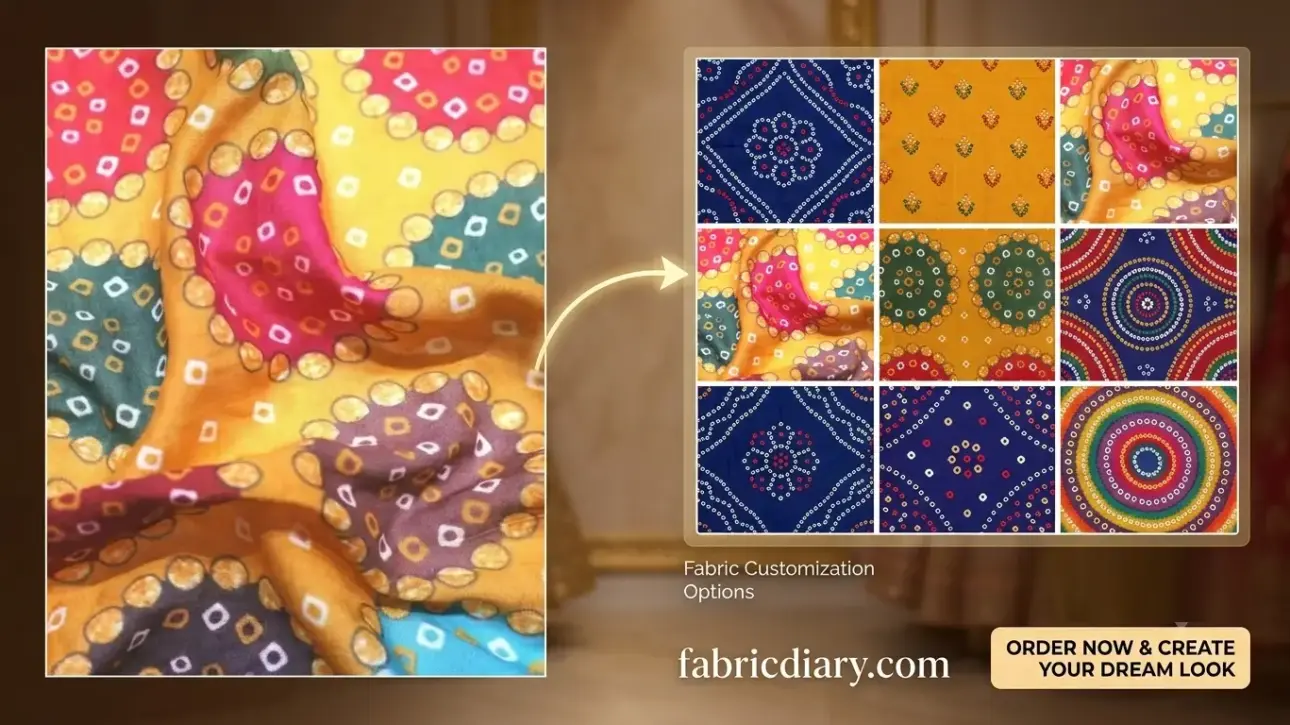
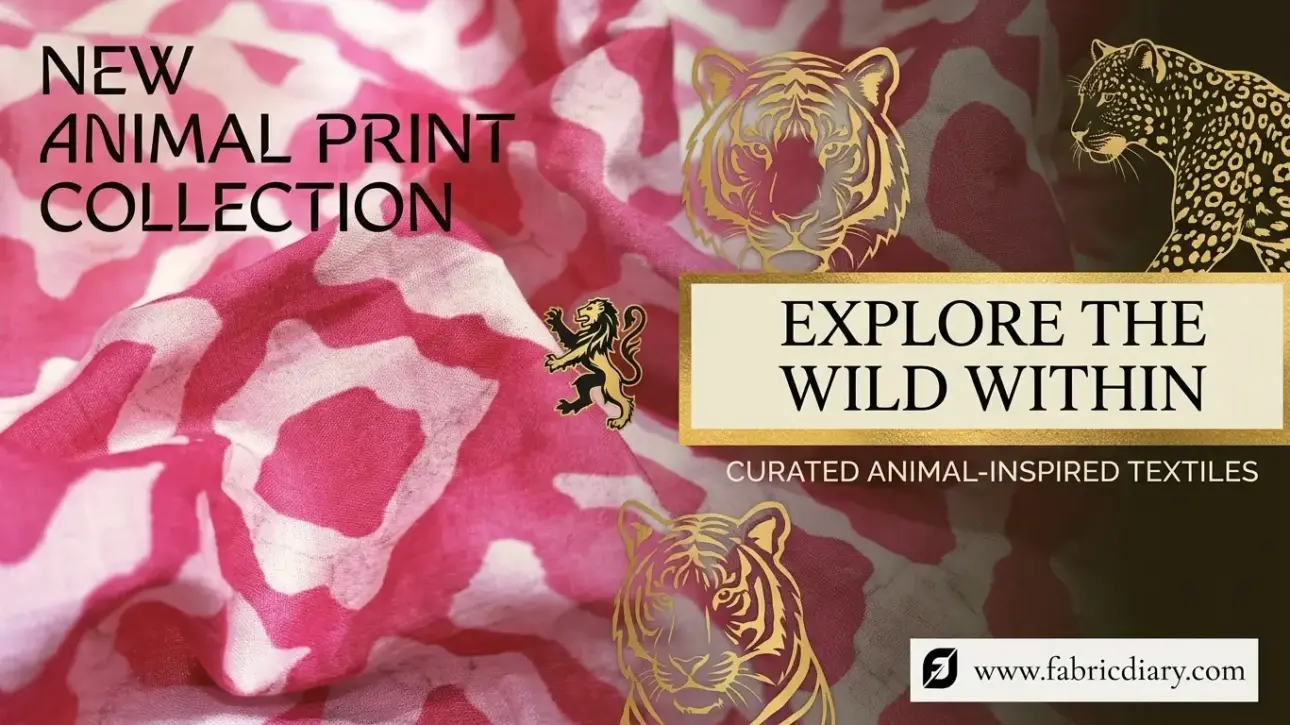
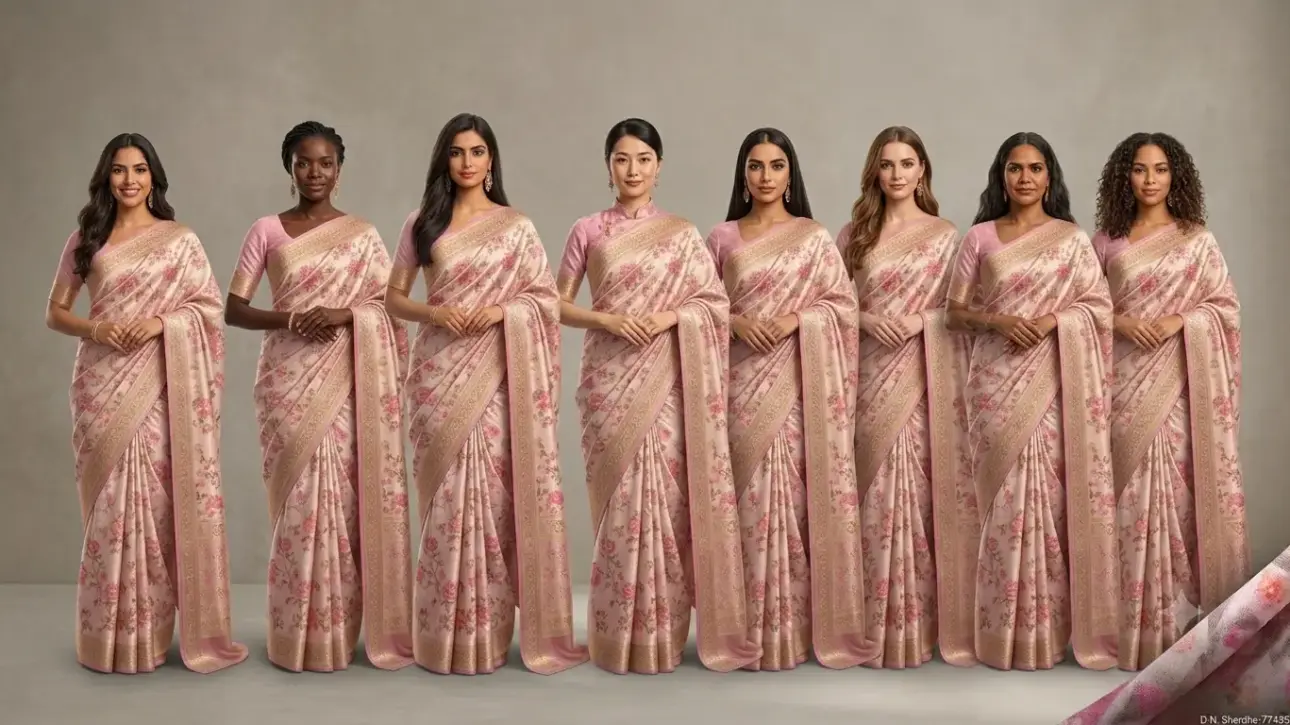
In India—particularly in Surat, the textile nerve center—this evolution has taken on a distinctive character. Buyers are no longer just chasing volume; they are chasing narrative consistency. A minimalist floral rendered in muted tones or a geometric micro-print spaced with deliberate restraint speaks directly to a new generation of consumers who associate simplicity with sophistication. Globally, procurement heads, fashion buyers, and sourcing managers are increasingly prioritizing fabrics that can travel across seasons and demographics without aesthetic fatigue.
Wholesale Custom Minimalist Printed Fabric Manufacturer & Supplier in India, Asia
From a behavioral standpoint, B2B buyers today are risk-conscious but innovation-hungry. They want fabrics that reduce SKU complexity while maintaining visual freshness. Minimalist printed fabrics offer precisely that—lower inventory risk with high stylistic adaptability. This dual advantage is why sourcing teams across Europe, North America, and emerging Asian markets are actively seeking reliable manufacturers capable of delivering both consistency and customization at scale.
Fabric characteristics admired in Universal / Global (climate, lifestyle, fashion)
The admiration for minimalist printed fabrics globally is rooted in practicality aligned with aesthetic restraint. Climate plays a decisive role. In warmer regions such as India, Southeast Asia, and parts of Africa, lightweight fabrics with GSM ranging between 80–150 are preferred. Cotton voile, rayon challis, and viscose blends dominate due to breathability and moisture absorption. In temperate climates like Europe or North America, slightly heavier constructions—120–220 GSM—are favored for layering and durability.
Yarn selection significantly impacts the final product. Buyers increasingly demand compact yarns or combed cotton for smoother surfaces that enhance print clarity. For premium lines, modal and Tencel blends are gaining traction due to their eco-friendly positioning and soft drape. Minimalist prints require precision; hence, digital printing machines such as reactive inkjet systems are commonly used to achieve high-definition motifs with low ink bleed.
Lifestyle considerations also shape preferences. Urban consumers globally lead fast-paced lives, and their wardrobes reflect versatility. A minimalist printed fabric must transition seamlessly from workwear to casual settings. This drives demand for wrinkle-resistant finishes, anti-pilling treatments, and colorfastness standards above grade 4 in ISO testing.
From a fashion standpoint, understated elegance dominates. Neutral palettes—beige, sage, ivory, charcoal—paired with subtle motifs are consistently favored. The psychology is clear: consumers want garments that feel timeless rather than trend-dependent.
Fabric variations/types + Universal / Global fashion influence
Minimalist printed fabrics are not a monolith; they exist across a spectrum of base materials and printing techniques. Cotton-based fabrics remain foundational due to their affordability and adaptability. Variants include cambric, poplin, and sateen, each offering different textures and sheen levels. Rayon and viscose derivatives provide fluidity, making them ideal for draped silhouettes like dresses and blouses.


Polyester blends, often in the 120–180 GSM range, are widely used for performance wear and budget-friendly collections. These fabrics support sublimation printing, allowing for crisp, fade-resistant minimalist designs. Linen blends, though more expensive, are increasingly popular in premium segments due to their natural texture and eco-conscious appeal.
Embroidery integration is another evolving dimension. While minimalism typically avoids heavy embellishment, low-density embroidery—ranging from 2000 to 5000 stitches per motif—adds subtle texture without overwhelming the design. Techniques such as single-needle lock stitch and micro-satin stitch are commonly employed.
Global fashion influence, guided by trend forecasting agencies like WGSN and institutions such as NIFT and Parsons, has pushed minimalist prints into mainstream collections. Micro florals, abstract line art, and spaced geometric repeats dominate runway interpretations, later translating into mass-market adaptations.
Global demand + specific Universal / Global demand trends
Demand for minimalist printed fabrics has seen consistent growth, supported by data insights often highlighted in reports by Statista and Business of Fashion. The rise of capsule wardrobes and sustainable fashion has accelerated this trend. Buyers are increasingly investing in fabrics that enable multi-use garments, reducing overproduction and unsold inventory.
Regionally, North America shows strong demand for organic cotton minimalist prints, driven by eco-conscious consumers. Եվրոպean markets favor linen and viscose blends with muted tones. In Asia, particularly India and Japan, there is a fusion approach—minimalist prints with occasional traditional motifs.
E-commerce has further amplified demand. Platforms like Amazon Business and Etsy have made it easier for small brands to access global markets, increasing the need for versatile fabrics that appeal to diverse audiences. This has led to a surge in low MOQ orders for sampling, followed by bulk scaling once designs are validated.
Bridal wear relevance (Universal / Global traditions & customs)
At first glance, minimalism and bridal wear may seem contradictory. However, modern bridal trends tell a different story. Across global markets, there is a growing segment of brides opting for understated elegance over opulence. Minimalist printed fabrics, especially in silk blends and high-quality viscose, are being incorporated into pre-wedding events and even main ceremonies.
In India, while traditional bridal wear remains ornate, there is a noticeable shift in urban centers toward pastel palettes and subtle prints for functions like mehendi and haldi. Globally, Western bridal wear has embraced minimalist aesthetics for reception gowns and civil ceremonies.
Fabric characteristics for bridal applications include higher GSM (150–250), superior drape, and enhanced finishing. Embroidery, if used, is minimal and strategically placed. The focus is on silhouette and fabric quality rather than heavy embellishment.
Wedding wear applications + outfit names used in Universal / Global
Minimalist printed fabrics have found their way into a variety of wedding-related garments. In India, they are used for lehengas, sarees, kurta sets, and fusion wear. Internationally, they appear in bridal shower dresses, rehearsal dinner outfits, and bridesmaid ensembles.
The versatility of these fabrics allows designers to experiment with cuts and layering. A minimalist printed lehenga paired with a solid blouse creates a balanced aesthetic. Similarly, a softly printed maxi dress can serve as an elegant bridesmaid outfit in Western weddings.
🌍 International — Free sample (only shipping charges apply)
Color choices often lean toward pastels, earthy tones, and monochromes. The aim is to create a cohesive visual narrative across different wedding events without overwhelming the senses.
Partywear/evening wear demand + cultural examples (Universal / Global)
Evening wear has increasingly embraced minimalism, particularly in urban markets. Consumers are moving away from heavily embellished garments toward pieces that rely on cut, fabric, and subtle detailing.
In cities like London, New York, and Mumbai, minimalist printed dresses, co-ord sets, and jumpsuits are popular choices for evening events. Fabrics with a slight sheen—such as satin blends—are preferred for their ability to elevate simple designs.
Cultural nuances play a role. In Japan, minimalist aesthetics align with traditional design philosophies, making such fabrics highly relevant. In India, they cater to a niche but growing segment of consumers seeking contemporary alternatives to traditional partywear.
Garment manufacturing usage (brands, factories, wholesalers in Universal / Global)
For garment manufacturers, minimalist printed fabrics offer operational efficiency. The simplicity of designs reduces cutting complexity and fabric wastage. This is particularly advantageous for large-scale factories producing for global brands.
Wholesalers and exporters often prefer these fabrics due to their broad market appeal. A single design can cater to multiple regions with minor modifications. This reduces the need for extensive design variations and simplifies inventory management.
Brands featured in reports by Forbes and Harper’s Bazaar often highlight the importance of fabric versatility in scaling operations. Minimalist prints align perfectly with this requirement, enabling brands to maintain consistency across collections.
Designer + boutique preferences in Universal / Global
Designers and boutique owners value minimalist printed fabrics for their adaptability. These fabrics serve as a canvas for creative expression, allowing designers to focus on construction and detailing.
Boutiques, especially in urban centers, prefer low MOQ sourcing to test new designs. Minimalist prints are ideal for this approach, as they carry lower risk and higher acceptance rates among consumers.
Institutions like FIT and Istituto Marangoni emphasize the importance of fabric selection in design education, further reinforcing the relevance of minimalist textiles in contemporary fashion.
B2B sourcing behavior, import habits, bulk-buy logic (Universal / Global)
B2B sourcing has become increasingly data-driven. Buyers analyze market trends, consumer behavior, and cost structures before making procurement decisions. Minimalist printed fabrics often emerge as a preferred choice due to their versatility and lower risk.
Importers rely on platforms like Alibaba, IndiaMART, and TradeIndia to identify suppliers. Key considerations include MOQ, lead time, quality consistency, and compliance with international standards.
Bulk-buy logic revolves around scalability. Buyers often start with small quantities for sampling, followed by larger orders once demand is validated. This phased approach minimizes risk and optimizes cash flow.
Custom manufacturing, MOQ, export factors, reliability markers
Custom manufacturing is a critical requirement for global buyers. The ability to modify print size, color palette, and fabric composition is essential. Reliable manufacturers offer low MOQ options for sampling—typically 50–100 meters—while supporting bulk orders exceeding 10,000 meters.
Technical reliability markers include consistent GSM, precise color matching (using Pantone standards), and stringent quality control processes. QC checks often involve fabric inspection machines, colorfastness testing, and shrinkage analysis.
Export factors include compliance with international regulations, proper documentation, and efficient logistics. Buyers look for manufacturers with established export networks and experience in handling global shipments.
Why FabricDiary & Madhav Fashion are ideal for Universal / Global buyers
FabricDiary and Madhav Fashion represent a dual advantage for global buyers. FabricDiary caters to designers and small brands with low MOQ requirements, offering flexibility and access to a wide range of minimalist printed fabrics. Swatch support and small-batch customization make it an ideal platform for experimentation and design validation.
Madhav Fashion, based in Surat, operates at scale, providing bulk manufacturing capabilities with factory pricing. Their expertise in textile production, combined with advanced machinery and stringent quality control, ensures consistency across large orders.
Together, they address the full spectrum of B2B needs—from sampling to mass production—making them a reliable partner for garment manufacturers worldwide.
—-
FAQs
Q1: What is the import process for global buyers?
A: The process involves supplier selection, sample approval, order placement, production, quality inspection, and shipping with necessary documentation like invoices and packing lists.
Q2: What are typical shipping timelines?
A: Sampling takes 5–10 days, while bulk orders may take 3–6 weeks depending on volume and customization.
Q3: What is the minimum order quantity (MOQ)?
A: MOQ varies—FabricDiary offers low MOQ for sampling, while Madhav Fashion supports large-scale bulk orders.
Q4: Are fabric samples available?
A: Yes, swatches and sample yardage are available for quality and design evaluation.
Q5: What types of fabrics are offered?
A: Cotton, rayon, viscose, polyester blends, and linen variants with minimalist prints.
Q6: What are the payment terms?
A: Common terms include advance payment, LC (Letter of Credit), and milestone-based payments.
Q7: Can designs be customized?
A: Yes, buyers can customize prints, colors, and fabric compositions based on requirements.
Explore More from FabricDiary – Global B2B Designer Fabric Platform
Thanks for reading and exploring FabricDiary — a leading global B2B designer fabric platform offering thousands of ready-to-ship and customizable collections. From minimalist printed fabrics to trend-driven textile innovations, we help garment manufacturers, designers, and sourcing teams discover reliable materials with ease.
We regularly publish in-depth insights on fabric types, fashion trends, and international sourcing strategies to support smarter buying decisions. Whether you’re developing a new collection or scaling production, our resources are built to guide global buyers at every stage.
For detailed articles, sourcing support, or bulk inquiries on any of the topics above, feel free to connect with us at info.fabricdiary@gmail.com.
Top Minimalist Printed Fabric Manufacturer in India for Wholesale Buyers
Explore premium minimalist printed fabrics designed for garment manufacturers, offering clean aesthetics, consistent quality, and scalable bulk supply for global fashion markets.
Leading Custom Minimalist Printed Fabric Exporter for Global Brands
Source custom minimalist printed fabrics tailored for international brands, with flexible design options, reliable production, and seamless export support for bulk buyers.
Largest Minimalist Printed Fabric Manufacturer Worldwide
Access high-volume minimalist fabric production powered by advanced printing technology, ensuring precision patterns, color consistency, and dependable global supply chains.
Asia’s Trusted Supplier of Minimalist Printed Fabrics
Partner with a reliable Asian supplier delivering trend-driven minimalist prints, fast turnaround times, and competitive wholesale pricing for global sourcing needs.
Popular Geometric & Abstract Printed Fabric Exporter for Global Buyers
Discover geometric and abstract minimalist printed fabrics crafted for modern collections, supported by strong export logistics and consistent quality assurance.
Premium Soft-Tone Minimalist Fabric Supplier & Export House
Source elegant soft-tone minimalist fabrics ideal for contemporary apparel, offering refined finishes, smooth texture, and export-ready quality for premium buyers.
Asia’s Leading Micro-Pattern Printed Fabric Manufacturer
Renowned for precision, this manufacturer delivers micro-pattern minimalist fabrics with sharp detailing, stable production, and factory-direct pricing for global buyers.
Top Digital Printed Minimalist Fabric Manufacturer in Asia
Explore digitally printed minimalist fabrics designed for modern garment production, combining high-definition prints with scalable manufacturing and export readiness.
Best Cotton & Rayon Minimalist Printed Fabric Exporter from Asia
Choose from cotton and rayon minimalist fabrics offering breathability, versatility, and consistent quality, ideal for global brands and bulk garment manufacturing.
Asia’s Largest Minimalist Printed Fabric Exporter
Benefit from extensive export capabilities, wide design collections, secure packaging, and efficient worldwide delivery tailored for international B2B buyers.
Premium Minimalist Printed Fabric Manufacturer in Asia
Experience high-quality minimalist fabrics with precise printing, consistent GSM control, and reliable export services designed for global fashion businesses.
Shop Minimalist Printed Fabrics Online – Wholesale Designer Materials
Browse a wide range of minimalist printed fabrics online at wholesale prices, perfect for designers, boutiques, and manufacturers seeking export-quality materials.
Buy Minimalist Printed Fabrics Online for Bulk Production
Purchase minimalist fabrics in bulk with customizable designs, competitive pricing, and efficient global shipping for seamless garment production workflows.
Shop Designer Minimalist Printed Fabrics Online at Wholesale Prices
Discover curated minimalist fabric collections available online, offering modern aesthetics, customization support, and reliable international delivery for fashion brands.