



Animal printed fabric gives fashion brands a distinctive visual language. From leopard-inspired spots and zebra-style stripes to tiger-inspired markings, reptile-like textures and abstract wildlife patterns, these designs can help a collection establish a recognizable identity. But for a professional buyer, selecting an attractive pattern is only the beginning. The fabric base, artwork construction, colour reproduction, print repeat, garment application, sampling process and production plan all influence whether the design will work commercially.
For businesses purchasing fabric in bulk, the real opportunity lies in treating animal print as a complete textile-development project rather than a ready-made pattern alone. A buyer may arrive with a reference image, a colour direction, an existing garment sample or an original design concept. The next step is to translate that visual brief into a print that can be produced on a suitable fabric base and evaluated against the requirements of the intended collection.
Animal Printed Fabric: Custom Design & Bulk Sourcing
Madhav Fashion works within the broader embroidery and printed-fabric market, where material selection and design development need to reflect the buyer’s actual application. For animal printed fabric projects, the development conversation can cover artwork direction, compatible fabric options, print requirements, sample approval and bulk-production planning. The exact material and process should be determined by the project rather than assumed from the print category.
This distinction matters because animal printed fabric does not refer to one fixed fibre composition. It describes the visual design applied to a suitable textile. The same broad pattern direction may be considered for different materials, but each base can produce a different appearance, hand feel, drape and printing result.
For fashion labels, wholesalers, garment manufacturers and international sourcing teams, a disciplined approach can reduce avoidable development errors and make bulk decisions more informed.
What Is Animal Printed Fabric in Commercial Textile Sourcing?
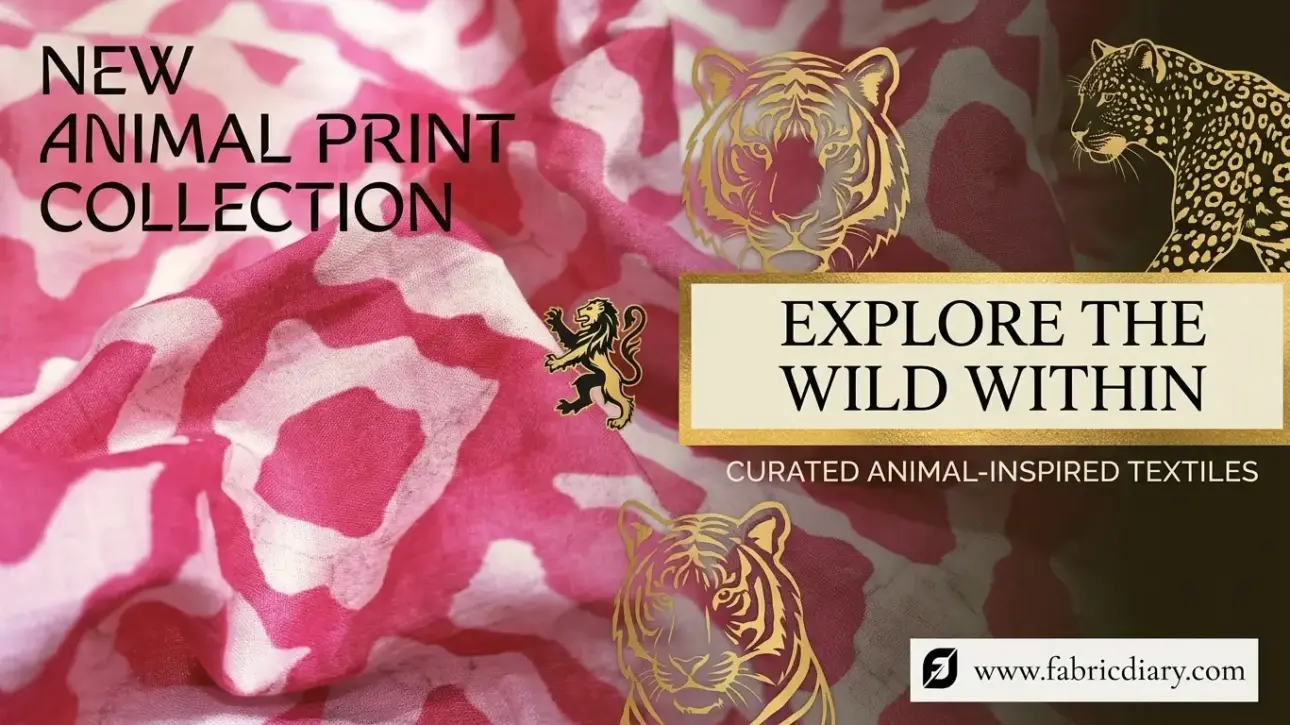
Animal printed fabric is a design category featuring patterns inspired by animal markings, skins, scales, fur-like textures or stylized wildlife imagery. Commercial interpretations range from recognizable natural patterns to simplified, geometric and abstract artwork designed specifically for fashion.
Common directions include leopard-inspired spots, cheetah-like markings, zebra-style stripes, tiger-inspired bands, snake-scale effects, crocodile-inspired textures and original combinations developed for a brand’s visual identity. These are design descriptions, not claims that the fabric contains animal-derived material. A printed textile can reproduce the appearance or visual character of a pattern without using real animal skin or fur.
From a sourcing perspective, three elements should be considered separately.
The artwork defines the pattern, scale, colours, repeat, placement and overall visual character.
The fabric base determines the textile’s fibre composition, weight, surface, drape, opacity and suitability for the intended garment.
The printing and finishing process determines how the design is transferred, how colours appear on the selected material and which production requirements must be verified.
These elements are related, but they are not interchangeable. A print design that performs well on a smooth, compatible polyester-based textile may require adjustments for a textured or absorbent base. Likewise, a large-scale pattern intended for a statement garment may need a different repeat arrangement from a small, closely spaced motif used across a coordinated apparel range.
This is why buyers should avoid specifying an order merely as “leopard fabric” or “zebra print fabric” when the project has additional requirements. A useful sourcing brief explains the desired design, the garment application, the preferred material characteristics and the estimated production quantity.
Understanding the Main Animal Print Design Directions
The right design direction depends on the collection, target customer, garment silhouette, colour palette and positioning of the finished product. A familiar animal motif can be interpreted in many ways, and each interpretation creates a different commercial effect.
Leopard-inspired prints
Leopard-inspired patterns commonly use irregular spots with contrasting centres, outlines or surrounding shapes. Depending on the artwork, the effect can look naturalistic, oversized, graphic or deliberately stylized.
For commercial development, buyers should review the distance between motifs, spot size, contrast and how the pattern looks when the garment is worn. A large repeat may suit a statement piece, while a more compact repeat may be more adaptable across multiple garment styles.
Cheetah-inspired spots
Cheetah-like designs are often associated with smaller, darker spots distributed across a contrasting ground. The artwork can be adjusted for a dense appearance, a more open layout or a fashion-led interpretation.
The buyer should confirm whether the reference is intended to reproduce a naturalistic visual direction or merely take inspiration from the general spot pattern. That distinction affects artwork development and colour planning.
Zebra-style stripes
Zebra-inspired designs rely on alternating bands, irregular stripe shapes and the balance between light and dark areas. Stripe direction can influence the appearance of a garment, particularly where panels, seams and garment construction change the orientation of the pattern.
Buyers should consider whether the print is intended to run continuously across the fabric width, follow a particular direction or align across selected garment sections. Exact matching across seams may require additional planning and fabric consumption.
Tiger-inspired patterns
Tiger-like designs typically use strong directional stripes and high contrast. They may be developed in familiar colour combinations or adapted to a custom palette for a fashion collection.
For these patterns, the width and spacing of the stripes are important. A small adjustment can change the overall visual intensity, and the selected fabric’s surface may affect the perceived sharpness of the design.
Snake- and reptile-inspired textures
Reptile-inspired prints may use repeated scale shapes, tonal transitions, fine outlines or dimensional-looking artwork. The design can be subtle or highly graphic.
Small details should be reviewed at the intended production scale. Very fine lines and intricate shapes may reproduce differently depending on the material, print method and production settings. A physical sample is more useful than a screen preview alone when detail definition is a priority.
Abstract and hybrid animal prints
Some brands prefer a print that does not imitate a single animal pattern directly. They may combine irregular spots, stripes, distorted shapes, layered textures or unusual colour relationships to create an original visual identity.
This approach can be valuable for private-label collections that need a recognizable direction without using a common market pattern unchanged. Artwork development should still establish repeat size, colour relationships, placement and the intended fabric base before bulk approval.
Why Animal Printed Fabric Is Not One Fixed Fabric Composition
One of the most important decisions in custom printed textile sourcing is choosing the base material. Animal print is the visual concept; it does not tell the buyer whether the fabric is polyester, viscose, cotton, a blend or another construction.
The correct base depends on the intended garment and the performance characteristics required from the textile. Buyers should evaluate fibre composition, construction, surface, weight, drape, opacity, stretch where relevant, care requirements and compatibility with the proposed printing process.
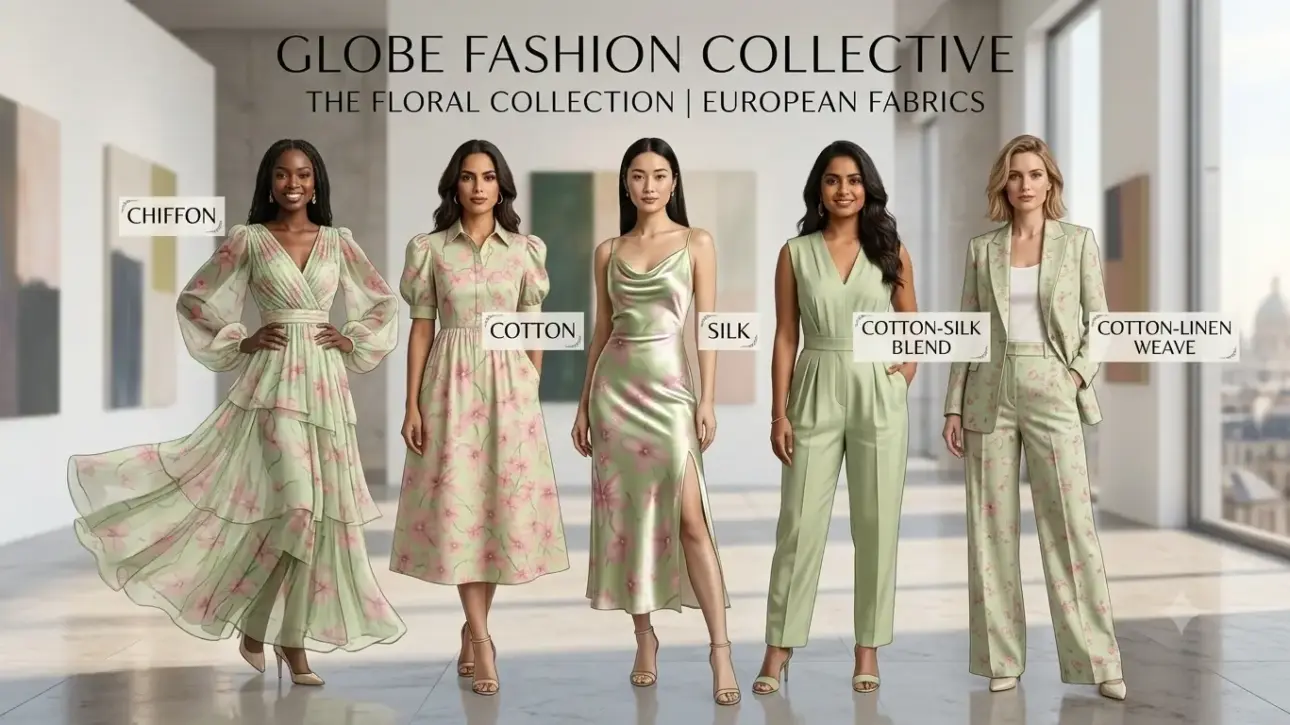
Possible development directions may include suitable polyester-based fabrics, georgette, satin, crepe, selected cotton or viscose materials, compatible blends and other woven or knitted textiles. These are examples of potential base categories, not a guarantee that every material is available or compatible with every print process.
Polyester-based fabrics
Some polyester-based textiles may be suitable for digital printing processes designed for that material. The specific construction and intended use still need to be evaluated. A lightweight fabric for flowing apparel and a heavier textile for structured garments can require different specifications even if both use polyester.
Georgette and crepe
Georgette and crepe can offer distinctive surface and drape characteristics, depending on their construction and composition. Buyers considering animal prints on these materials should assess how the surface texture affects detail, contrast and the final garment’s appearance.
Satin and smoother surfaces
A smoother fabric surface can present a different visual result from a textured one. Buyers may consider satin-like materials for designs where the interaction between surface appearance, colour and drape suits the collection. The precise base and printing process should be approved through sampling.
Cotton, viscose and blended materials
These categories vary considerably in construction and finishing. A print process suitable for one composition may not be appropriate for another. Fibre composition, pretreatment, dye or ink compatibility, finishing requirements and intended care performance should therefore be confirmed with the production team.
How buyers should make the selection
Rather than asking only which fabric is best for animal print, specify the finished product. Is the material intended for a flowing dress, a shirt, a skirt, a coordinated set, a lining or another application? Should it have a soft drape, a more structured feel, a particular level of opacity or a specific care profile?
Once the end use is clear, the suitable base options can be evaluated. This is a more reliable starting point than selecting a textile solely because a sample image looks attractive.
Custom Animal Print Development: From Reference to Production Artwork
A reference image communicates visual direction, but it does not automatically constitute production-ready artwork. It may have insufficient resolution, an unsuitable colour profile, an incomplete repeat, unclear usage rights or dimensions that do not match the required fabric width.
Custom development begins by clarifying what the buyer wants to retain and what can be changed. The reference may be used to discuss the general pattern, while the final artwork may need original construction, colour adjustments, repeat engineering or a different arrangement for production.
Establish the artwork brief
The brief should identify the animal-inspired direction, desired visual intensity, colour palette, approximate motif size and intended garment application. If the design is part of an existing collection, the buyer should explain how it needs to coordinate with other colours, prints or materials.
Define the repeat
A seamless repeat allows artwork to continue across the fabric in a planned arrangement. However, the repeat can be constructed in different ways. A straight repeat may create a regular arrangement, while a half-drop or other offset arrangement can change the distribution of motifs.
The right layout depends on the artwork and the desired appearance. The repeat should be reviewed at actual or representative production scale, not only as a large isolated image on a computer screen.
Plan colours
Colours seen on a display are affected by the screen and viewing conditions. The printed result also depends on the fabric base and production process. Where colour accuracy is important, buyers should establish reference expectations and review an appropriate physical sample.
If the design uses several colours or tonal details, confirm which elements are essential and which can be adjusted during development. This helps focus the approval process on the features that matter most.
Confirm usage rights
When a buyer supplies artwork, reference images or brand graphics, the parties should clarify whether the material may legally be used for production. Images sourced online are not automatically available for commercial reproduction.
For exclusive or private-label work, document ownership, permitted use, approved versions and any restrictions on reuse. Clear agreements help protect both the buyer’s commercial interests and the supplier’s production process.
Digital Printing and the Choice of Production Method
Digital textile printing can support detailed artwork and flexible design development, but it should not be described as universally suitable for every material or every order size. The appropriate process depends on the fibre composition, fabric construction, colour requirements, print detail, finishing needs and production volume.
Different digital printing systems use different ink chemistries and fixation methods. A process suitable for one textile may not work correctly on another. The selected process should be confirmed against the actual fabric base and intended end use.
Where digital printing can help
Digital printing can be useful when a project requires detailed artwork, multiple colour elements, a design that may change during development or a print concept that is not available as a standard stock pattern.
It can also support sampling and design evaluation, subject to the capabilities and minimum requirements of the production setup. Buyers should confirm what type of sample can be provided and how closely it represents the intended bulk process.
When bulk production requires additional planning
A design that is easy to preview digitally still requires production planning. The selected fabric must be prepared appropriately, the print process must be compatible with the material and any required fixation or finishing stages must be completed.
The final process can affect colour appearance, hand feel, dimensional stability and performance. These properties should be assessed against the actual project requirements rather than assumed from the words “digital print.”
Questions to ask before confirming the process
Is the proposed print process suitable for the selected fibre composition?
What sample can be approved before bulk production?
How will colour and print detail be assessed?
Are fixation, washing or finishing steps required?
Which performance tests are relevant to the finished product?
What production tolerances can be agreed in advance?
These questions make the quotation and approval process more meaningful. They also prevent buyers from comparing suppliers solely on the basis of the lowest quoted price.
Pattern Scale, Repeat and Placement: Details That Affect the Finished Garment
Animal prints are particularly sensitive to pattern scale because the motifs are often visually recognizable. A spot, stripe or scale pattern can look balanced on a flat fabric swatch but appear different when cut into garment panels.
Pattern scale
Large motifs create a different visual impact from small repeats. The intended garment size and silhouette should be considered when selecting the scale. A print developed for a flowing, full-length garment may need a different visual balance from one intended for smaller panels or accessories.
Pattern direction
Directional stripes and elongated markings may need to follow a specified orientation. If the design has an obvious direction, buyers should confirm whether all garment panels must follow it.
Directional cutting can influence fabric consumption. This should be considered when calculating order quantities and estimating production costs.
Seam matching
Some designs benefit from motif alignment across selected seams. However, matching is not automatic and may require additional material, careful cutting and agreed production methods.
Buyers should identify whether seam matching is essential, preferred or unnecessary. Treating every seam as a mandatory matching point without considering cost and garment construction can create unrealistic expectations.
Placement prints
A placement design positions artwork in a specific area rather than repeating it continuously across the fabric. This may be relevant for a garment panel or a design feature that requires a defined position.
Placement requirements should be documented with dimensions, orientation and reference points. If the project uses a continuous repeat instead, clarify the repeat layout and any important direction requirements.
Sample Approval: The Most Useful Checkpoint Before Bulk
Sampling gives the buyer and production team an opportunity to evaluate the proposed combination of artwork, fabric and print process before committing to the full order. It is not simply a formality. It can reveal issues that are difficult to judge from a digital mock-up.
The sample should represent the proposed fabric base and, where practical, the intended production process. If the sample uses a different material or method, the difference should be understood and recorded rather than ignored.
What to examine in a sample
Colour appearance: Compare the sample against the agreed colour references and consider the effect of the fabric base.
Pattern scale: Check whether the motifs appear at the intended size and whether the repeat looks balanced.
Print definition: Examine the edges, fine details and tonal areas relevant to the design.
Fabric hand feel and drape: Confirm whether the material suits the garment application.
Surface and finishing: Review the fabric after any relevant finishing process, since the finished material may look or feel different from the unprocessed base.
Performance requirements: If the garment needs specific colourfastness, dimensional stability or other performance characteristics, agree on the relevant evaluation or test method before production.
Keep a record of the approved sample
A useful approval record identifies the artwork version, base fabric, colour references, repeat dimensions and any agreed tolerances. Where a physical sample is used, retain an identified reference where feasible.
Changes made after approval should be documented. If the buyer changes the base material, colour palette or artwork after sampling, the revised specification may need a new approval cycle.
Quality Control for Bulk Animal Printed Fabric
Quality control should be planned around the specific order rather than treated as a generic final inspection. Different projects may have different priorities: one buyer may focus on print definition, another on colour consistency, and another on dimensional stability or the finished fabric’s hand feel.
A clear specification helps the supplier and buyer evaluate the same criteria.
Fabric width and construction
Confirm the required usable width and the measurement method. If the fabric has an edge or selvedge that cannot be used for garment construction, clarify whether the order specification refers to overall width or usable width.
The base fabric should also be checked against the agreed material specification. Any critical fibre composition or construction requirements should be established before production.
Colour consistency
The buyer should specify how colour will be evaluated and what variation is acceptable. Visual comparison should use appropriate viewing conditions where colour is important. If formal testing is required, agree on the method and acceptance criteria in advance.
Print repeat and alignment
Check that the artwork repeats as intended and that important motifs are not unintentionally distorted, clipped or misaligned beyond the agreed specification. The acceptable level of variation depends on the design and application.
Surface defects and visible marks
Inspection criteria should define which defects matter, how they will be identified and what acceptance rules apply. A documented inspection system is more useful than a general request for “perfect quality” without a measurable standard.
Performance testing
Relevant testing depends on the fibre composition, print chemistry, finishing and end use. Colourfastness, dimensional change after care and other performance properties may need evaluation. The applicable method and pass criteria should be agreed rather than presumed.
No single test or inspection method guarantees that a fabric is suitable for every garment or destination market. Quality requirements should reflect the buyer’s actual product specifications.
Understanding Bulk Quantities, Cost and Commercial Planning
Bulk sourcing involves more than multiplying a sample price by the required metres. The final quotation may depend on the selected base fabric, artwork preparation, printing method, colour and detail requirements, finishing, quantity, inspection, packing and delivery arrangements.
The exact cost structure varies by project, so buyers should request a quotation based on a sufficiently detailed brief.
Separate development costs from production costs
Where applicable, ask which costs relate to artwork development, sampling, fabric preparation, printing, finishing and bulk production. This makes it easier to compare proposals with different service structures.
If the artwork changes after approval, additional development work may be required. Clarifying how revisions are handled can prevent misunderstandings later.
Confirm the order quantity and usable output
The buyer should specify the required quantity and the unit of measurement. If the finished garment uses a directional print or requires motif matching, discuss potential material implications with the garment-production team.
A supplier quotation should clarify what is included and how the deliverable quantity will be measured. Do not assume that all production loss, cutting allowance or matching requirements are included unless stated.
Compare quotations on equivalent terms
A lower quotation may reflect a different base fabric, print process, finishing specification or inspection scope. Before comparing suppliers, ensure that the material, width, print requirements, quantity and delivery terms are sufficiently aligned.
The most useful comparison is between quotations that describe the same product—not simply between headline prices.
Plan for repeat orders
If the design may be reordered, retain the approved artwork and production specifications. Record the base material, colour references, repeat details and agreed quality requirements.
For later orders, confirm whether the same base and process remain available and whether a new sample or approval is necessary. A previous production result should not be treated as proof that all future materials or batches will be identical.
How Fashion Brands Can Use Animal Printed Fabric Across a Collection
Animal prints can play different roles within a fashion range. Some brands use them as the central visual feature, while others incorporate them as one component in a wider colour and print story.
Dresses and statement apparel
The pattern scale, direction and drape should work together with the garment silhouette. Buyers should review the design in the context of the intended garment rather than judging it only as a flat fabric image.
Shirts, skirts and coordinated sets
Smaller repeats or controlled colour palettes may offer flexibility across several garment styles. However, the final result depends on the actual pattern and construction, not on a universal rule that one animal print suits every product category.
Occasionwear and fashion-led collections
The choice of material can strongly influence the overall effect. A buyer considering a more fluid, structured or visually distinctive finish should evaluate compatible bases and print samples before approving the design.
Private-label product development
A brand-exclusive interpretation can help create a more recognizable collection. Original artwork, documented colour decisions and controlled approval records support consistency across development and production.
These examples are design considerations rather than guarantees of market demand. Buyers should make final decisions based on their customer, product positioning and merchandising plan.
International B2B Sourcing: What Importers Should Clarify
International buyers need a clear product specification and a shared understanding of commercial responsibilities. A successful order depends on more than confirming the print design.
The buyer should establish the destination country, required documentation, packaging expectations, shipping terms, target delivery window and any applicable compliance requirements. These details can affect the production schedule and the documents needed for the transaction.
Destination-market requirements
Requirements vary by destination and product category. Buyers should identify which regulations, labelling rules, chemical restrictions or performance standards apply to the finished textile or garment.
Do not assume that a fabric is compliant simply because it has been digitally printed or is sold for fashion use. Where a buyer needs a particular certification or test report, the requirement should be discussed and supported by relevant documentation.
Commercial documents
Depending on the transaction, the parties may need a commercial invoice, packing list, transport documents, origin information or other records. The exact requirements depend on the shipment, destination, transaction structure and applicable rules.
Shipping and delivery planning
A target delivery date should account for design approval, material availability, production, inspection, packing and transport. The actual schedule must be confirmed for the order; it should not be inferred from a general product description.
Buyers should also clarify how delays, specification changes or approval revisions will be handled. This is particularly useful when fabric production is linked to a garment launch or seasonal collection.
Responsible Artwork and Product Claims
Animal-inspired designs can be developed through original artwork, licensed references or buyer-supplied designs with appropriate permissions. The sourcing brief should clarify the permitted use of the artwork and whether any exclusivity arrangement is required.
Similarly, sustainability, fibre composition, colourfastness and certification claims should be supported by evidence. A printed appearance does not establish the fibre content, manufacturing impact or performance of a textile.
If a buyer requires recycled content, a specific fibre composition or a named certification, that requirement should be confirmed for the actual material and supply chain. It should not be inferred from the design or the printing technique.
Clear documentation protects the credibility of both the buyer and the supplier. It also makes future reorders and product information easier to manage.
Common Mistakes Buyers Should Avoid
Choosing only from a screen image. A digital preview does not fully communicate the fabric’s surface, drape or printed result. Approve a suitable sample when the project requires it.
Assuming every base supports the same print method. Material and process compatibility must be verified.
Leaving the repeat size undefined. The motif may appear too large, too small or visually unbalanced in the finished garment.
Ignoring pattern direction. Directional designs may affect cutting, matching and material consumption.
Changing specifications after approval without recording them. Artwork, material or colour changes can affect the production result.
Requesting a quotation without a usable brief. Missing information can make quotations difficult to compare and may delay development.
Assuming certification or compliance. Ask for relevant evidence when a particular standard or certificate is required.
Treating the sample and bulk order as automatically identical. Define the approved specification and acceptable tolerances, then confirm how production will be checked.
Avoiding these mistakes does not require an unnecessarily complicated process. It requires a clear brief, a suitable sample, documented decisions and realistic expectations about production.
A Practical Buyer Checklist for Animal Printed Fabric
Before requesting a quotation, prepare the following information wherever available:
- Design direction: Leopard-inspired, zebra-style, tiger-inspired, reptile-like, abstract or original animal artwork.
- Artwork status: Reference image, original file, licensed design or a brief for custom development.
- Colour palette: Preferred colours and any essential reference colours.
- Pattern scale: Approximate motif size, repeat dimensions and directional requirements.
- Fabric base: Preferred composition or material characteristics; if undecided, explain the garment application.
- End use: Intended garment, collection or other textile application.
- Fabric specifications: Required width, weight or other measurable characteristics, where known.
- Quantity: Estimated bulk requirement and expected order structure.
- Sampling: Whether a physical sample and performance evaluation are required.
- Quality expectations: Print definition, colour consistency, relevant tests and agreed tolerances.
- Destination: Delivery country, packaging expectations and applicable documentation needs.
- Timeline: Target sample approval and required delivery window.
Repeat-order plans: Whether the design may be reordered and what records should be retained.
A buyer does not need to know every technical answer before making an enquiry. The purpose of this checklist is to separate confirmed requirements from open questions, so development can proceed in a structured way.
How Madhav Fashion Fits Into the Custom Development Conversation
For a business sourcing animal printed fabric, the first step is to communicate the intended product and the visual direction. From there, the development discussion can focus on which material characteristics are required, whether the artwork needs customization, how the print should be evaluated and what information is necessary for a bulk quotation.
Madhav Fashion’s broader positioning includes embroidery and printed fabric. For a custom animal print project, the buyer should provide the reference artwork or design brief, intended end use, material preference if known and estimated quantity. This gives the team a more practical basis for discussing possible development and production options.
The process should remain project-specific. Availability, minimum quantities, production schedules, print compatibility, testing and shipping terms must be confirmed for the actual order rather than assumed from a general collection page.
For buyers developing a private-label range, keeping the artwork version, sample approval and final production specification together is particularly important. It creates a more useful record for future reorders and helps reduce confusion when several colourways or fabric bases are being developed at the same time.
FAQ
Is animal printed fabric a specific type of fabric?
No. Animal printed fabric is a print-design category, not one fixed fibre composition. Animal-inspired artwork may be developed on suitable textile bases, depending on material compatibility and the intended end use.
Can animal prints be customized?
Customization may include artwork direction, colour palette, motif scale, repeat layout and other design requirements. The scope depends on the project, artwork rights, production capability and agreed specifications.
Can animal print be digitally printed on any fabric?
No. The printing process must be suitable for the chosen fibre composition, construction and finish. Sampling and technical confirmation are important before bulk production.
Which animal print patterns can buyers consider?
Common directions include leopard-inspired spots, cheetah-like markings, zebra-style stripes, tiger-inspired bands, reptile-like textures and abstract animal designs. Original interpretations can also be developed where appropriate.
Should a buyer approve a sample before bulk production?
For projects where colour, print definition, fabric feel or performance is important, sample approval is strongly advisable. The approved sample and specifications should be documented before bulk production.
What details should be shared for a wholesale quotation?
Share the artwork or reference, preferred material or end use, required width, estimated quantity, sample requirements, destination country and target delivery window. Any special quality or compliance requirements should also be identified.
Can the same animal print be used on different fabric bases?
Potentially, but the artwork and process may need adjustment for each base. Differences in surface, construction and print compatibility can change the result, so each intended material should be evaluated.
What affects the cost of custom animal printed fabric?
Cost can depend on the base material, artwork development, printing process, quantity, finishing, inspection, packing and shipping arrangements. A quotation should specify what is included.
Can animal printed fabric be developed for a private-label collection?
Custom development may be considered for private-label projects, subject to artwork permissions, production feasibility and agreed commercial terms. Buyers should document usage rights and approval requirements.
How should buyers prepare for repeat orders?
Retain the approved artwork, fabric specification, colour references, repeat details, sample record and quality criteria. Before reordering, confirm material availability and whether the previous specification can be reproduced.
Develop the Print Around the Product
Animal printed fabric is most useful to a fashion business when the design and the textile are developed as one coordinated project. Pattern direction establishes the visual identity, but material selection, print compatibility, repeat engineering, sampling, quality control and commercial planning determine whether that idea is ready for bulk production.
For wholesale buyers and fashion brands, a detailed brief is the best starting point. Define the intended garment, share the design direction, clarify the required material characteristics and identify the quantity and destination. Then evaluate the proposed sample and document the final specification before production.
Madhav Fashion can be approached for a project discussion around printed-fabric development and sourcing. Buyers should provide their animal-print concept and bulk requirements so that the next steps can be assessed against the actual application.
Explore the Animal Printed Fabric collection: https://fabricdiary.com/collections/animal-printed-fabric
Use the collection as a design-discovery starting point, and confirm the final fabric base, customization scope, quotation and production details for your specific order.
