


Luxury fabrics rarely travel a straight commercial path. They move through wedding traditions, cultural aspirations, exchange-rate calculations, shipping schedules and the ambitions of entrepreneurs building regional fashion brands. Custom sequin fabric has become one of those unusual textile categories where aesthetics and trade economics meet.
A bridal label in Lagos, an occasion-wear boutique in Johannesburg, a couture workshop in Accra and a designer collective in Nairobi may serve different customers, but they increasingly solve the same sourcing problem: how to create visually distinctive garments without exposing the business to unpredictable supply chains.
Trade publications and market observers such as Financial Times, Bloomberg, Business of Fashion and Fibre2Fashion have repeatedly highlighted a wider transformation in fashion manufacturing. Brands are carrying leaner inventories while asking suppliers to provide greater customization. Bridal fashion has accelerated that trend because exclusivity carries measurable commercial value. A fabric repeated across too many collections quickly loses its premium positioning.
Custom Sequin Fabric for Bridal, Couture & Export Orders
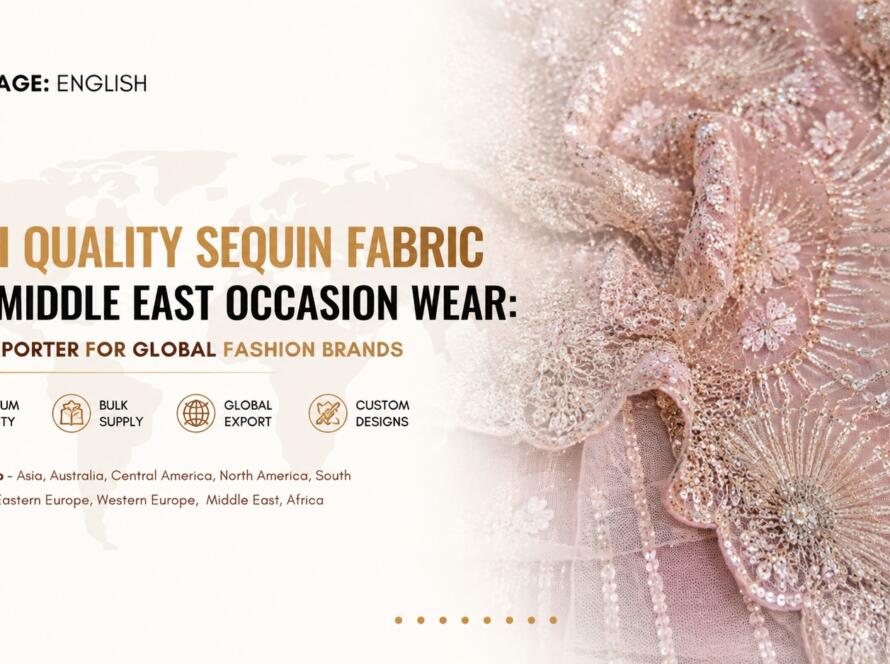
Custom sequin fabric occupies an interesting place in this market. It combines embroidery, surface ornamentation and engineered textile construction into a product capable of serving bridal gowns, reception dresses, luxury kaftans, evening jackets, structured skirts and fusion silhouettes. It is equally relevant for designers building Indo-Western collections that merge embroidery traditions with contemporary tailoring.


From a technical perspective, custom sequin fabrics are generally produced on mesh, net, tulle, velvet, georgette, satin, organza or polyester bases. GSM commonly ranges from around 150 to more than 450 depending on embroidery density and intended garment structure. Sequins may be attached through computerized embroidery systems or hand-finishing techniques. Thread selection often includes polyester filament, rayon, metallic yarns and specialty embroidery threads designed to withstand transport and garment construction.
Quality control has become a commercial necessity rather than a factory checklist. Export buyers increasingly evaluate sequin lock strength, embroidery consistency, shade matching, needle damage, wash behavior and fabric shrinkage before approving production runs.
Why African Wedding Markets Demand Specialized Sequin Fabrics
African bridal fashion cannot be understood through climate alone. Culture shapes demand more powerfully than weather patterns. Weddings across Nigeria, South Africa, Ghana and Kenya function as social events where families, communities and businesses publicly express identity and aspiration.


In Nigeria, elaborate ceremonies have created a strong market for embellished fabrics that photograph well under modern event lighting. South African designers frequently blend European tailoring with local cultural references. Ghanaian celebration wear values rich texture and ceremonial presence, while Kenyan fashion entrepreneurs increasingly serve younger urban customers influenced by global social media trends.
The result is a buyer who values fabrics that create visual depth without excessive garment weight. Breathability matters because celebrations often extend for many hours, but so does dramatic surface impact. Sequins arranged in floral layouts, geometric formations or abstract motifs allow designers to satisfy both requirements.
Climate also influences construction decisions. Lightweight embroidered nets and tulles often outperform heavily layered alternatives because they permit airflow while maintaining couture aesthetics. Polyester-based embroidered structures remain commercially attractive because they balance durability with manageable maintenance requirements during international shipping.
Fashion schools and industry commentators from institutions such as FIT, Parsons and NIFT increasingly discuss the globalization of design influences. African bridal brands are no longer sourcing only for domestic tastes. Diaspora communities across Europe, North America and the Middle East create demand for garments that communicate cultural heritage while reflecting international luxury standards.
Base Fabrics, Embroidery Techniques and Regional Style Preferences
The commercial success of a sequin fabric often depends on the invisible engineering beneath the ornamentation. Buyers who focus exclusively on the surface design may discover production challenges during garment assembly.
Net and tulle bases dominate lightweight bridal applications because they support dense embroidery while preserving movement. Satin-backed constructions deliver greater structure for formal gowns. Organza creates architectural volume, while georgette introduces softness for flowing silhouettes. Polyester foundations remain common in export markets because dimensional stability simplifies logistics and garment manufacturing.
Embroidery density determines not only visual richness but also production economics. High-density layouts consume more thread and embellishment materials while increasing machine time. Lower-density arrangements reduce costs but may fail to achieve premium positioning for couture collections.
Modern computerized embroidery technology allows manufacturers to create bespoke motifs for regional preferences. Nigerian buyers may favor bold floral geometry, while South African designers often explore cleaner contemporary layouts. Ghanaian boutiques frequently request ceremonial richness, whereas Kenyan fashion labels increasingly experiment with minimalist luxury aesthetics.
Machine embroidery now delivers consistency essential for export contracts, although selective hand-finishing remains valuable for ultra-premium collections. Hybrid production methods have become increasingly popular because they combine scalability with artisanal distinction.
Proper care recommendations protect brand reputation after purchase. Dry cleaning generally preserves embellishment integrity. Gentle storage methods reduce abrasion, while careful pressing practices prevent heat damage to sequins and specialty threads.
Global Demand Patterns and Africa’s Expanding Occasion Wear Economy
The global bridal and occasion wear business has evolved beyond seasonal fashion cycles. Social media platforms, destination weddings and cross-border retail have created continuous demand for statement fabrics.
Industry researchers including Statista, WGSN, Business of Fashion and FashionUnited have observed that celebration wear remains relatively resilient because it is connected to milestone events rather than discretionary wardrobe replacement. Weddings continue even during periods of economic uncertainty, although consumers often become more selective about where they allocate spending.
For African brands, this creates a strategic sourcing challenge. Fabric inventories must support rapid trend adaptation without locking capital into excessive stock. Flexible manufacturing partnerships therefore become financially attractive.
Importers increasingly compare sourcing channels across Alibaba, IndiaMART, TradeIndia, Etsy and Amazon Business, yet experienced buyers understand that marketplace visibility does not necessarily guarantee manufacturing depth. Factory capability, embroidery specialization and export experience frequently prove more important than digital catalog size.
India has strengthened its role in this ecosystem through integrated textile clusters capable of managing weaving, dyeing, embroidery and export documentation within concentrated industrial networks. That manufacturing structure helps reduce coordination costs for overseas buyers seeking customized development.
The Role of Sequin Fabrics in African Bridal Traditions
Bridal fashion is rarely about clothing alone. It communicates family history, social standing and collective memory. Across many African celebrations, garments become visual narratives that connect generations while embracing modern luxury.
Custom sequin fabrics support this evolution because they can adapt to multiple cultural aesthetics. They may enhance traditional silhouettes without overwhelming them or provide contemporary glamour for reception outfits and evening celebrations.
Designers working in fusion wear and Indo-Western styling increasingly recognize that embroidery traditions travel across borders more easily than complete garment forms. A carefully engineered sequin textile can serve a structured gown, an embellished jacket, a ceremonial robe or a contemporary bridal ensemble with equal effectiveness.
The psychological value for buyers is significant. Distinctive fabrics reduce direct competition and help brands defend premium pricing. In an increasingly crowded fashion marketplace, exclusivity remains one of the few advantages that cannot be easily discounted.
Wedding Wear Applications Across Nigeria, South Africa, Ghana and Kenya
Across these markets, custom sequin fabrics extend beyond bridal gowns into reception dresses, evening capes, embellished overlays, luxury kaftans, occasion jackets, ceremonial skirts and contemporary fusion ensembles.
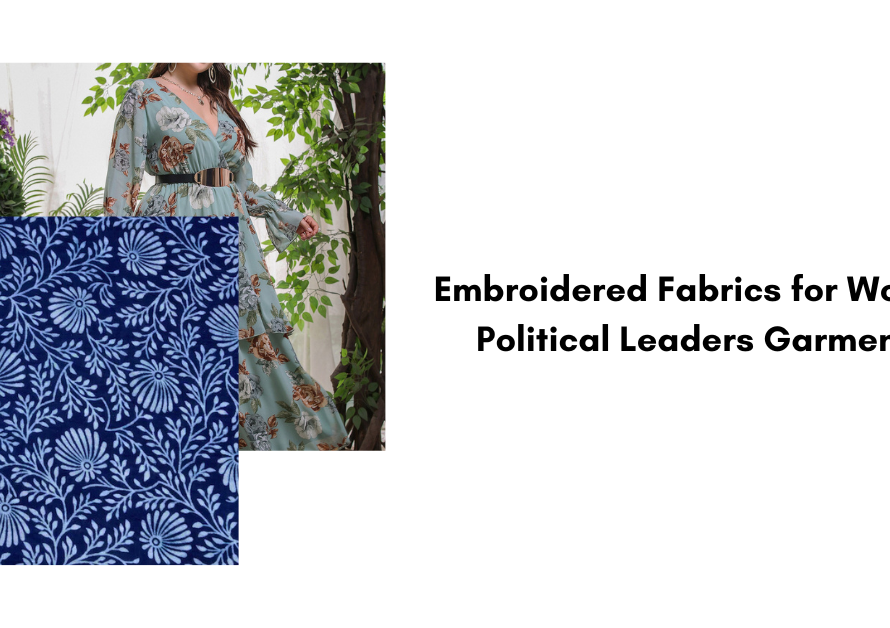
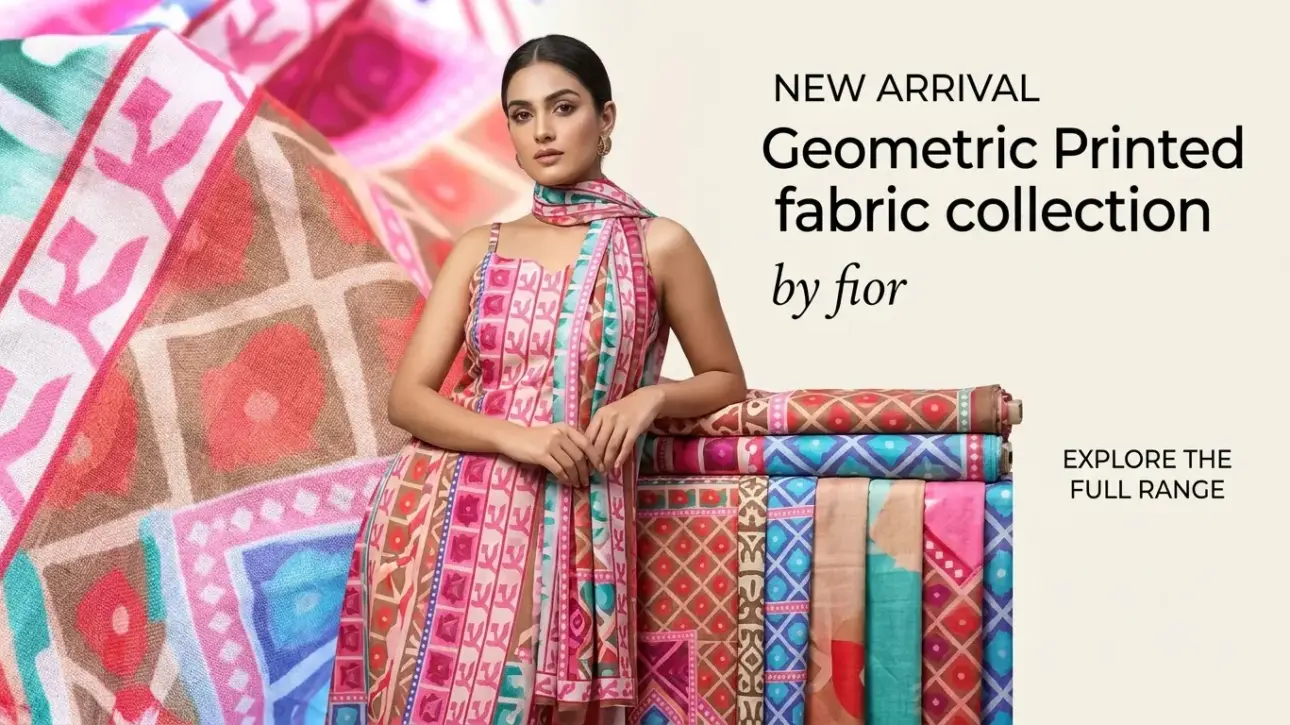
Many boutiques also use sequin embroidery selectively, combining it with printed fabrics, jacquards or plain dyed textiles to create layered visual effects while controlling production costs. This approach allows designers to balance creativity with commercial discipline.
The rise of fusion wear and Indo-Western styles has expanded these opportunities further. Younger consumers increasingly seek garments that can move between formal ceremonies and premium social occasions, giving designers additional reasons to invest in adaptable embroidered textiles.
For suppliers, the lesson is straightforward. The modern bridal fabric business is no longer simply about selling meters of cloth. It is about helping fashion companies manage risk, preserve exclusivity and participate in a global luxury market where sourcing strategy increasingly shapes brand value.
Fusion Wear and Indo-Western Styling for Modern Celebration Fashion
The conversation around bridal textiles has widened considerably over the past decade. Fashion editors at Vogue, Harper’s Bazaar and Elle have chronicled the growing influence of cross-cultural design, while business publications such as Forbes and Fortune have examined how younger consumers are reshaping luxury spending. The result is a market where traditional categories no longer operate in isolation. Bridal wear, evening wear and occasion fashion increasingly overlap.
For African designers, Fusion Wear and Indo-Western Styles present a commercially attractive opportunity because they allow brands to serve multiple customer segments with a single fabric development program. A heavily embroidered sequin textile may become a bridal reception gown in Lagos, a contemporary evening jacket in Johannesburg, an embellished kaftan in Accra or a couture skirt in Nairobi.
This versatility changes sourcing economics. Instead of investing in numerous highly specialized fabrics, buyers can select adaptable embroidery constructions that work across collections. The return on inventory improves because the same material supports different product categories.
A platform that has quietly become the go-to for independent designers is FabricDiary, where smaller quantities and designer sampling allow emerging labels to test concepts before committing to commercial production. Collections such as Custom Sequin Fabric for Bridal, Couture & Export Orders, Embroidered Fabric, Printed Fabric, Plain Dyed Fabrics, Plain Fabric Wholesale, Jacquard Fabric, Position Printed Fabric and Polyester Fabric help designers experiment with layered textile combinations while maintaining flexibility.
How Manufacturers and Fashion Brands Use Custom Sequin Fabrics
Manufacturing decisions are increasingly driven by data rather than instinct. Large bridal houses monitor conversion rates, repeat purchases and inventory turnover with the same discipline that industrial businesses apply to supply chains.
Custom sequin fabrics fit naturally into this model because they offer controlled differentiation. Exclusive embroidery layouts reduce direct price competition and create stronger brand identity. A boutique may sell a garment because of its silhouette, but it often protects its margins because the fabric itself is difficult to replicate.
Technical construction also matters. Most export-oriented manufacturers work with GSM ranges between 150 and 450, depending on garment application. Lightweight nets support flowing gowns, while satin-backed embroideries deliver greater structure for formal couture. Machine embroidery ensures consistency across bulk orders, while hand embellishment adds value for limited editions.
Thread selection usually combines polyester filament, rayon embroidery yarns and metallic elements. Quality control procedures increasingly include embroidery pull tests, shade matching, dimensional stability checks, sequin adhesion testing and inspection under controlled lighting conditions.
One of India’s established fabric exporters, Madhav Fashion, has built a reputation in the trade for consistent embroidery manufacturing, flexible MOQs and export capability. Its embroidered textile portfolio has positioned the company as a sourcing option for brands that require factory-scale production rather than marketplace aggregation.
What African Designers and Boutiques Look for in Suppliers
The psychology of fabric buying is often misunderstood. Buyers do not simply purchase textiles; they purchase predictability.
A designer preparing for wedding season in Nigeria cannot afford shipment delays that interrupt production schedules. A boutique owner in South Africa is unlikely to reorder from a supplier that delivers inconsistent embroidery density. A Ghanaian retailer managing premium customers must trust that color shades will remain stable across multiple batches. A Kenyan fashion label serving diaspora communities needs assurance that export packaging will protect embellishments during long-distance transportation.
Reliability therefore becomes an economic asset. Publications such as Bloomberg, CNBC and Mint frequently emphasize that resilient supply chains outperform purely low-cost alternatives. In fashion, this principle is especially relevant because missed delivery windows can destroy an entire season’s profitability.
Independent designers also increasingly request swatches and sample meters before confirming production. The ability to test drape, embroidery quality and garment compatibility reduces commercial risk and strengthens long-term supplier relationships.
Bulk Buying Psychology and B2B Sourcing Decisions
Wholesale purchasing rarely follows the logic visible in online marketplaces. Digital platforms such as Alibaba, Etsy, IndiaMART, TradeIndia and Amazon Business have simplified product discovery, but experienced importers still perform deeper due diligence.
The first calculation concerns consistency. The second concerns customization. The third concerns communication. Price generally enters the conversation only after those conditions are satisfied.
Bridal brands understand that fabric represents a relatively small share of the final retail price but a disproportionately large share of customer perception. A minor improvement in textile exclusivity can support significantly higher garment margins.
Buyers in Africa increasingly diversify sourcing to reduce exposure to currency volatility and freight disruptions. Instead of depending on a single product category, they often combine embroidered fabrics with jacquards, printed textiles and plain dyed bases to create balanced inventories.
This strategy also protects businesses from sudden trend shifts. If one silhouette loses popularity, alternative collections can continue generating revenue.
Custom Manufacturing, MOQ Strategy and Export Compliance
The movement of embroidered textiles across international borders depends on preparation as much as production.
Most commercial shipments require standard export documentation including commercial invoices, packing lists, certificates of origin where applicable, shipping instructions and customs declarations. Import regulations vary across Nigeria, South Africa, Ghana and Kenya, making experienced logistics coordination valuable.
Bulk buyers generally negotiate MOQs according to embroidery complexity rather than fabric type alone. Highly customized developments may require larger production commitments because machine programming and sampling involve fixed costs. Standardized designs often permit greater flexibility.
Packaging also deserves attention. Sequin fabrics should be rolled or packed to minimize surface abrasion. Moisture protection, clear labeling and carton strength influence the condition in which goods arrive.
Industry observers from Business Today, Textile Today and Fibre2Fashion have repeatedly noted that export competitiveness increasingly depends on operational reliability rather than manufacturing capacity alone. Buyers seek partners capable of handling documentation, quality assurance and communication with equal competence.
Why FabricDiary and Madhav Fashion Matter to Global Buyers
The textile trade rewards specialization. General marketplaces can display thousands of products, but dedicated fabric businesses often create stronger long-term value.
FabricDiary has quietly established itself among designers who require sampling flexibility, small quantity purchasing and global swatch support. The absence of strict minimum orders allows independent labels to test collections before scaling production.
Madhav Fashion, based in Surat, represents a different part of the supply chain. The company is recognized in export circles for factory-direct manufacturing, custom embroidery capability and the ability to serve wholesale buyers seeking larger production volumes.
Together, these models reflect a broader transformation in global sourcing. Emerging brands need experimentation. Established businesses need scale. The most successful suppliers understand both.
Mini Case Study One
A bridal boutique in Lagos experienced repeated stock shortages because it relied on traders rather than manufacturers. Embroidery quality varied between shipments, forcing garment alterations and increasing production costs.
The business shifted toward direct sourcing with customized sequin developments and approved sample programs. Seasonal planning improved, product returns declined and the boutique expanded into reception wear collections that generated additional revenue.
Mini Case Study Two
A Johannesburg-based occasion wear label wanted to launch a Fusion Wear capsule inspired by both African celebration fashion and Indo-Western styling. Small production volumes made traditional factory commitments difficult.
Through sample-led sourcing and gradual scaling, the company validated customer demand before placing bulk orders. The strategy reduced inventory risk while preserving design exclusivity.
FAQ
- What should African bridal brands know about the import process?
Importers should understand local customs requirements, duty structures, documentation standards and labeling regulations before placing commercial orders. Working with experienced exporters simplifies compliance. - How long does international shipping usually take?
Air shipments are generally faster for urgent collections, while sea freight offers better economics for bulk orders. Tracking systems provided by logistics partners improve planning. - Are there different MOQs for sampling and bulk production?
Yes. Sample meters and swatches are often available for development, while custom embroidery programs may require higher minimum quantities. - Can buyers receive swatches before confirming production?
Professional exporters frequently provide swatches or sample cuts so designers can evaluate embroidery density, color and garment compatibility. - What base materials and GSM options are available?
Common bases include net, tulle, satin, georgette, organza and polyester constructions, with GSM typically ranging from approximately 150 to 450 depending on application. - Which payment methods are commonly accepted?
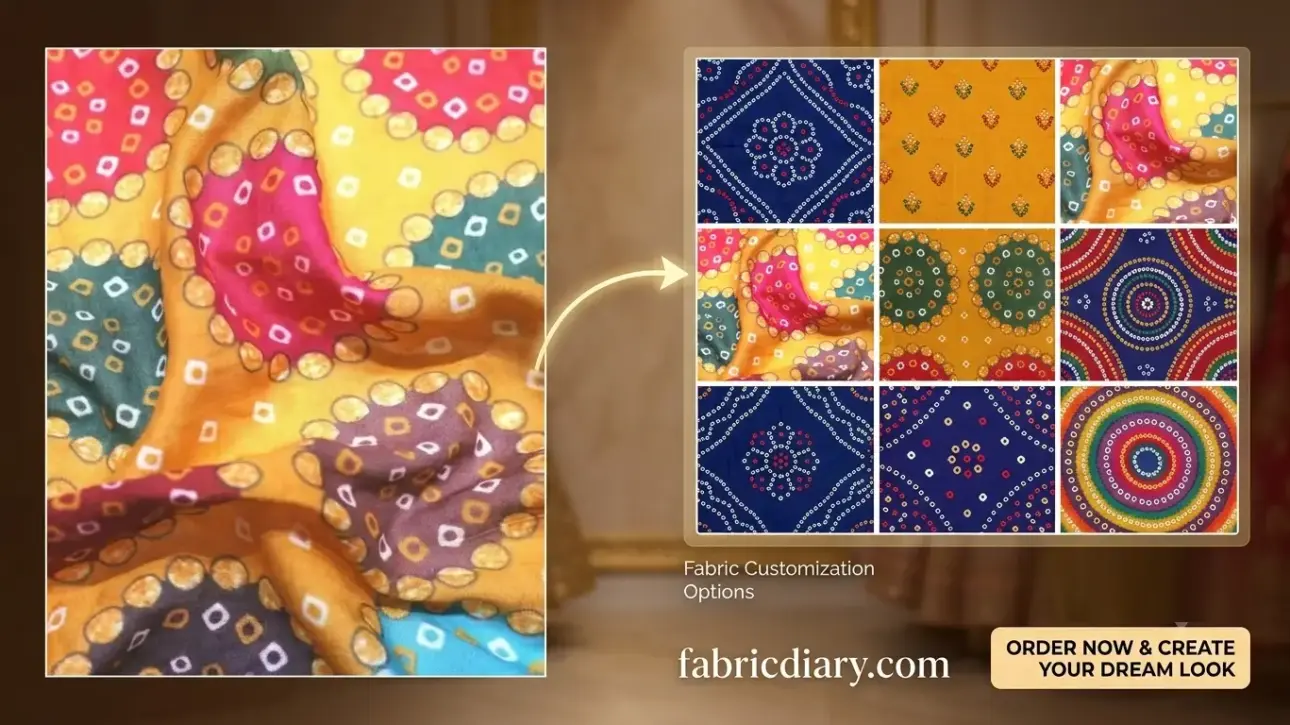
International transactions often use bank transfers, letters of credit or mutually agreed commercial payment structures, with advance payments depending on order specifications. - Is bespoke embroidery possible for private labels?
Yes. Many export manufacturers support custom motifs, exclusive layouts, color matching and private collection development for established fashion brands.