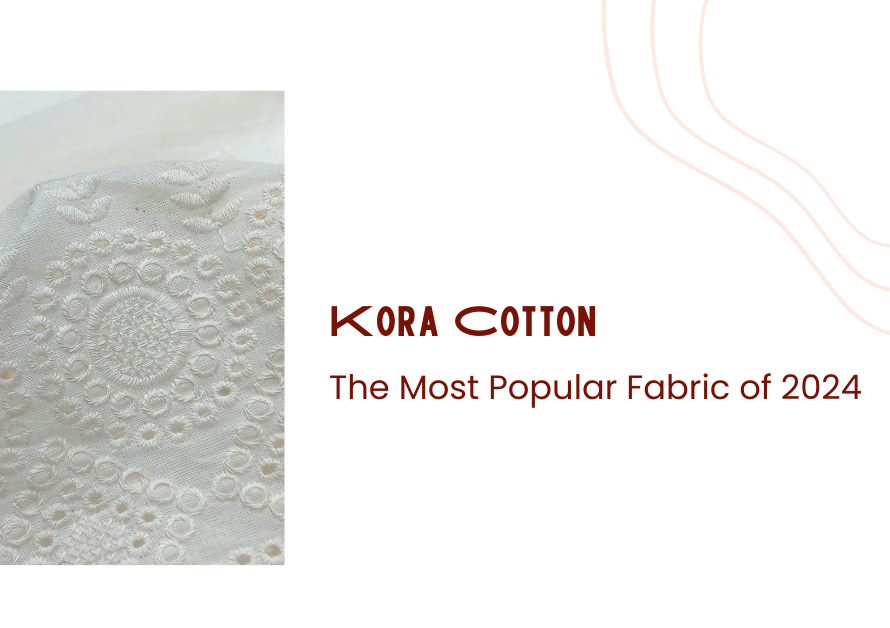



Fabric is one of the first decisions behind every successful fashion product, but for a professional buyer, selecting fabric is rarely as simple as choosing a colour or surface design.
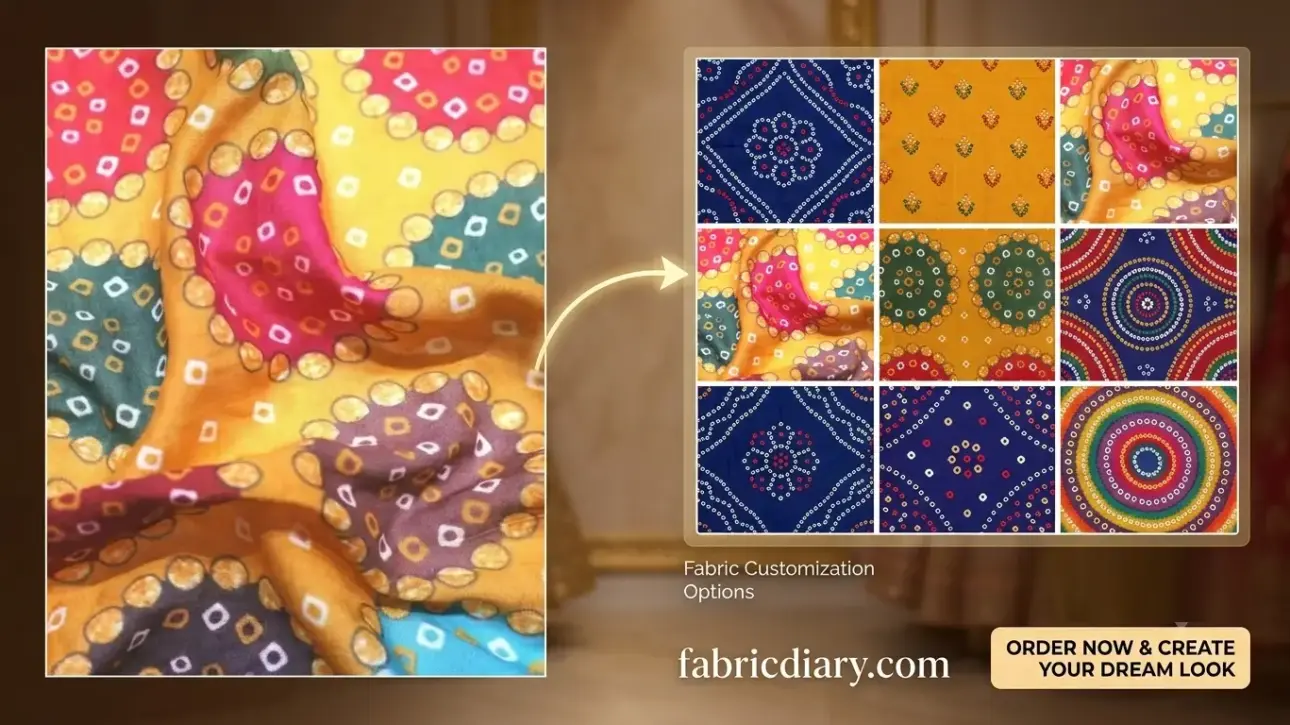
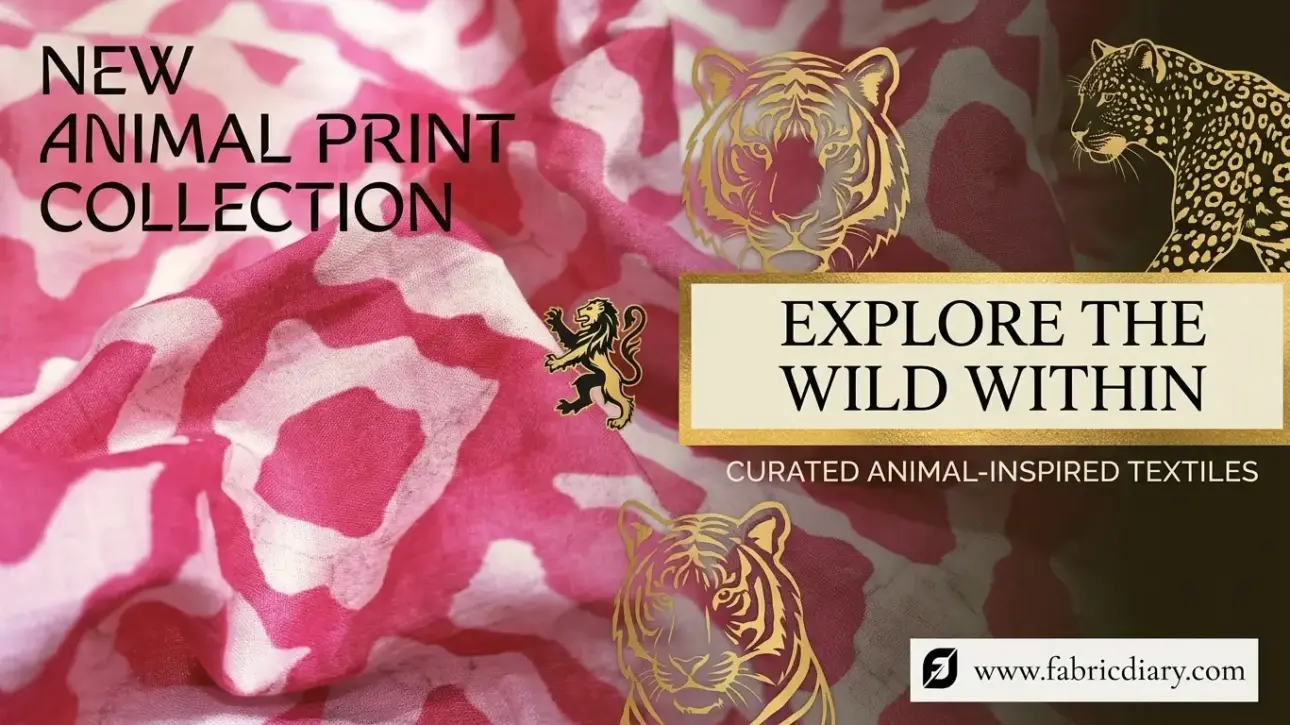
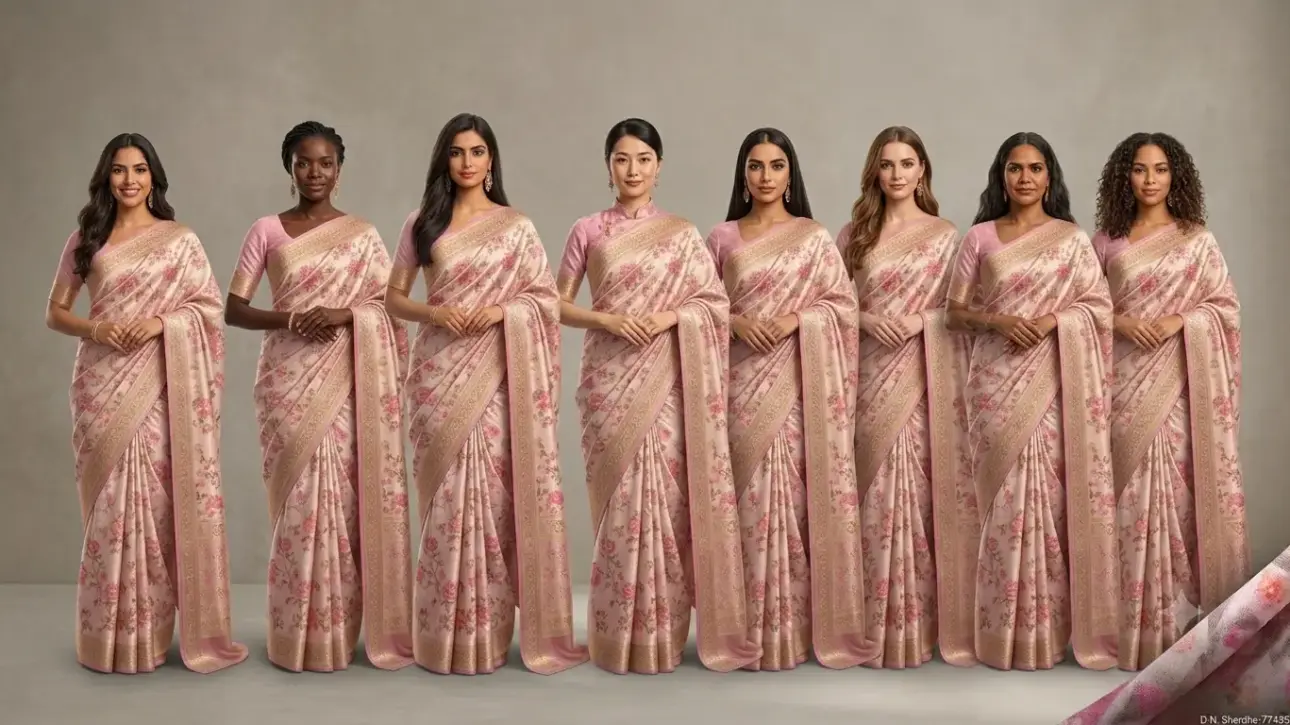
The finished textile is the result of several interconnected decisions: fibre selection, yarn development, fabric construction, dyeing, printing, embroidery, finishing, inspection and packaging. Each stage can influence the fabric’s appearance, weight, drape, durability, production cost and suitability for the final garment.
How Fabric Manufacturing and Sourcing Works: A Complete Guide for Global Fashion Buyers
For fashion brands, garment manufacturers, sourcing houses, designers and textile importers, understanding this process can make fabric sourcing considerably more effective.
This is particularly relevant when sourcing from India, where traditional textile knowledge, modern manufacturing, dyeing and processing capabilities, embroidery, printing and fashion-fabric production operate across a large and diverse manufacturing ecosystem.
Madhav Fashion has been part of this Indian textile manufacturing environment since 2005, with a focus on embroidery, printed and plain fabrics for fashion and apparel applications. The company’s positioning as a Best Embroidery Fabric Manufacturer, Exporter in India, Asia reflects its established involvement in value-added textile manufacturing.
As fashion buyers increasingly source multiple fabric categories for the same collection, the need for broader textile knowledge has also increased. A buyer may require embroidered fabric for one garment, plain fabric for another, jacquard for a structured piece, velvet for an occasionwear collection and lightweight georgette or chiffon for flowing silhouettes.
This is why understanding the complete fabric manufacturing and sourcing process matters.
For buyers looking beyond one specialised category, FabricDiary’s complete fabric collection provides a broader sourcing environment covering multiple fabric constructions and commercial categories.
Fabric Manufacturing Begins With the Fibre
Before a fabric becomes a roll of finished material, its characteristics are influenced by the fibre from which it is produced.
Fibre selection affects softness, strength, moisture behaviour, appearance, drape, durability, dye absorption and the eventual cost of the textile.
Broadly, fashion fabrics can be developed from:
Natural fibres
Regenerated or cellulosic fibres
Synthetic fibres
Blended or mixed-yarn constructions
Natural Fibres
Cotton, linen and silk are among the best-known natural textile fibres.
Cotton is widely valued for comfort, breathability and versatility.
Linen is associated with a distinctive natural appearance and lightweight summer applications.
Silk provides a characteristic lustre, softness and luxurious hand feel.
Regenerated Fibres
Viscose and modal are examples of regenerated fibres used extensively in modern fashion.
They can be developed into fluid constructions such as georgette, satin, muslin and other lightweight fabrics.
Their ability to provide softness and movement makes them useful across dresses, ethnicwear, blouses, scarves and occasionwear.
Synthetic Fibres
Polyester and nylon allow manufacturers to create a wide range of engineered textile constructions.
They are widely used because they can provide consistency, durability, dimensional stability and different surface characteristics.
Synthetic fibres are particularly important within modern fashion-fabric manufacturing.
From Fibre to Yarn
The next stage is yarn formation.
Fibres are processed and organised into yarns, and the characteristics of that yarn influence the resulting fabric.
Yarn selection can affect:
- Fabric strength
- Surface appearance
- Softness
- Thickness
- Texture
- Drape
- Weight
- Durability
Different yarn constructions can therefore create significantly different fabrics even when the underlying fibre category is similar.
For a buyer, this explains why two fabrics described using a similar commercial name may still feel and perform differently.
Fabric Construction Determines How the Textile Behaves
Once yarn is available, it can be converted into fabric through different construction methods.
The construction influences the fabric’s structure, stability, texture and appearance.
Some common fashion-fabric construction categories include:
Plain Weave
Plain construction creates a relatively simple and versatile textile structure.
Many lightweight fashion fabrics and basic textile constructions use variations of simple woven structures.
Satin Construction
Satin constructions are recognised for smoother surfaces and a characteristic lustrous appearance.
They are widely used in eveningwear, occasionwear, linings, blouses and fashion garments.
Jacquard Construction
Jacquard is particularly important when the design itself needs to become part of the woven structure.
Instead of simply adding a design to the surface after weaving, jacquard technology can create patterns through controlled weaving.
This makes jacquard relevant to premium apparel, ethnicwear, structured garments, bridalwear and decorative fashion.
Pile Construction
Velvet is a well-known pile fabric.
Its raised surface creates depth, softness and a distinctive appearance that makes it especially relevant to winterwear, occasionwear, luxury fashion and decorative garments.
Understanding GSM, Width and Fabric Specifications
Professional sourcing requires more than fabric names.
Three important specifications are GSM, width and composition.
GSM
GSM means grams per square metre.
It provides an indication of fabric weight.
A lightweight chiffon may have a very different GSM from a structured jacquard or velvet.
GSM is useful because fabric weight influences:
- Drape
- Garment construction
- Fabric consumption
- Shipping weight
- End-use suitability
- Perceived quality
However, GSM alone does not determine whether a fabric is suitable for a particular garment.
Two fabrics with similar GSM can behave differently because their construction and fibre composition differ.
Width
Usable fabric width is another important commercial specification.
A wider textile can sometimes improve cutting efficiency, while a narrower fabric may require different pattern planning.
For embroidered, border or position-designed fabrics, width becomes even more important because motif placement may determine the usable cutting area.
Composition
The buyer should always understand what the fabric is made from.
A commercial name such as georgette, satin or chiffon does not necessarily identify the fibre composition.
The actual composition can significantly affect performance and cost.
Why RFD Fabric Is Important
RFD generally refers to fabric prepared for dyeing.
For manufacturers and buyers who need custom colours, RFD fabric can provide a suitable starting point for subsequent colour development.
This is particularly useful for brands that require:
- Seasonal colour palettes
- Custom shades
- Multiple colourways
- Coordinated collections
- Specific brand colours
The suitability of RFD fabric depends on the construction, fibre and intended dyeing process.
A sourcing team should therefore confirm the exact processing requirements rather than treating every RFD fabric as interchangeable.
Dyeing: Turning a Base Fabric Into a Commercial Colour
Dyeing is one of the most important stages in textile processing.
The objective is not simply to add colour.
The process must achieve an appropriate and consistent shade while maintaining the desired fabric characteristics.
Buyers may require:
- Standard colours
- Custom shades
- Pastel tones
- Deep colours
- Seasonal colours
- Brand-specific colours
Colour consistency becomes especially important for repeat production.
A shade that looks correct in a development sample but changes significantly during bulk production can create serious problems for a fashion manufacturer.
This is why approved colour references and controlled production processes are essential.
Printing Adds Another Layer of Design
Printing allows manufacturers to place visual designs onto the textile surface.
Modern fashion fabrics can use:
- Floral prints
- Geometric designs
- Abstract artwork
- Digital artwork
- Traditional motifs
- Placement designs
- Repeating patterns
Printing and embroidery can also be combined.
A printed background can be enhanced with selective embroidery, sequins, threadwork or other decorative techniques.
This creates a more dimensional textile surface.
For buyers interested in both decorative and printed materials, Madhav Fashion’s wider product structure includes embroidery, printed and plain fabric categories, allowing different textile requirements to be considered within a broader manufacturing relationship.
Embroidery Changes More Than the Appearance
Embroidery is a value-added textile process that can significantly change the character of a base fabric.
It introduces additional thread, stitch density and sometimes embellishments such as sequins, beads or mirrors.
The final result depends on:
- Base fabric
- Thread
- Stitch type
- Stitch density
- Motif size
- Motif placement
- Embroidery coverage
- Embellishment
- Finishing
A lightweight georgette with delicate thread embroidery can remain relatively fluid.
A densely embroidered net can become much heavier.
A heavily sequined fabric can have an entirely different drape from its unembellished base.
Therefore, embroidery development should always consider the interaction between the decorative process and the original textile.
Major Fabric Categories in Fashion Sourcing
The fashion industry uses an enormous variety of fabrics.
The right category depends on the garment, target customer, market and production requirements.
Georgette
Georgette is commonly associated with fluid movement and a softly textured surface.
It can be used for:
- Sarees
- Dresses
- Blouses
- Dupattas
- Eveningwear
- Occasionwear
Viscose, polyester and other fibre constructions can produce different commercial versions of georgette.
Chiffon
Chiffon is known for its lightweight and flowing character.
It is commonly used for:
- Sarees
- Scarves
- Dupattas
- Overlays
- Dresses
- Sleeves
The transparency and delicate behaviour of chiffon make fabric handling and garment construction important.
Organza
Organza offers a more structured and crisp sheer appearance.
It is useful for:
- Bridalwear
- Sleeves
- Dupattas
- Overlays
- Fashion panels
- Decorative garments
Muslin
Muslin can refer to lightweight cotton or other soft fabric constructions depending on the market and commercial specification.
Its breathable and lightweight character can make it suitable for summer fashion and comfortable apparel.
Crepe
Crepe fabrics are valued for their textured surface and flowing appearance.
They can be used across dresses, blouses, sarees and other fashion applications.
Satin
Satin provides a smooth surface and visual lustre.
It is widely associated with:
- Eveningwear
- Bridalwear
- Lingerie
- Blouses
- Dresses
- Linings
- Luxury fashion
Jacquard
Jacquard is particularly useful when woven design and texture are important.
It can create a richer surface without relying exclusively on printing or embroidery.
Velvet
Velvet provides a pile surface and distinctive depth.
It is often selected for:
- Winter collections
- Bridalwear
- Occasionwear
- Jackets
- Luxury garments
- Home-fashion applications
Cotton Fabrics
Cotton remains one of the most versatile textile categories.
Depending on construction, cotton fabrics can support:
- Casualwear
- Summerwear
- Ethnicwear
- Kidswear
- Shirts
- Dresses
- Home textiles
Linen Fabrics
Linen and linen-blend constructions are particularly relevant to warm-weather fashion.
Their natural visual character is often associated with premium resort and summer collections.
Nylon Fabrics
Nylon can be used in lightweight, sheer and engineered fashion constructions.
Chanderi-style and other nylon-based fashion fabrics can provide specific combinations of appearance and performance.
Polyester Fabrics
Polyester is one of the most widely used fibres in modern textile manufacturing.
Its versatility allows manufacturers to create georgette, chiffon, satin, crepe and other fashion constructions.
For large-scale commercial production, polyester can provide advantages in consistency, durability and cost control depending on the construction.
What Makes Fabric “Premium”?
Premium does not necessarily mean the heaviest or most expensive fabric.
A premium textile is one that is appropriate for its intended purpose and manufactured consistently to the required specification.
Factors can include:
- Fibre quality
- Yarn quality
- Construction
- Surface appearance
- GSM
- Width
- Colour consistency
- Finish
- Drape
- Embroidery quality
- Printing quality
- Defect control
- Repeatability
A lightweight fabric can be premium.
A simple plain fabric can be premium.
A heavily embellished fabric can be premium.
The definition depends on the buyer’s requirements and the product’s market position.
Choosing Fabric According to the Garment
The garment should always influence fabric selection.
Sarees
Sarees may require fluidity, drape and controlled weight.
Georgette, chiffon, tissue, silk-look fabrics and decorative embroidered fabrics can all serve different sari designs.
Dresses
Dresses may use chiffon, georgette, satin, crepe, viscose, polyester and many other constructions.
The silhouette determines whether softness, structure or stretch is required.
Bridalwear
Bridal garments often combine several fabrics.
A collection may include:
- Embroidered net
- Satin
- Tissue
- Velvet
- Jacquard
- Organza
- Decorative borders
Blouses
Blouses often require fabrics that can support detailed construction.
Embroidered, jacquard, satin, raw-silk-look and structured fabrics can be selected according to the design.
Menswear
Menswear applications include:
- Sherwani
- Kurta
- Bandhgala
- Waistcoat
- Jackets
- Occasionwear
Here the fabric often needs a balance between decorative appearance and tailoring structure.
Fabric Selection for International Markets
The same textile may have different commercial applications in different countries.
A Middle Eastern buyer may prioritise luxury occasionwear fabrics.
A European designer may focus on lightweight construction, refined surface detail and contemporary design.
A North American buyer may source fabrics for bridalwear, eveningwear, designer collections or special occasions.
Asian markets may combine traditional textile aesthetics with contemporary fashion.
African fashion markets can create strong demand for decorative and expressive fabrics.
The manufacturer therefore needs to understand the application rather than simply sell a fabric category.
The Importance of Fabric Sampling
Sampling is one of the most important stages in B2B textile sourcing.
A sample allows the buyer to assess:
- Colour
- Hand feel
- Drape
- GSM
- Width
- Surface
- Embroidery
- Printing
- Finish
- Overall suitability
For custom development, sampling can involve several stages.
The first sample may identify technical problems.
A revised sample may adjust the embroidery density, colour or base fabric.
The approved sample then becomes the production reference.
This process is much safer than moving directly from an image to bulk production.
From Sample Approval to Bulk Production
Once a sample has been approved, the buyer and manufacturer should establish a clear production specification.
This can include:
- Fabric composition
- Construction
- GSM
- Width
- Colour
- Finish
- Embroidery or print specification
- Motif placement
- Packaging
- Quantity
- Delivery schedule
This documentation becomes particularly important for repeat orders.
Quality Control Is Part of Manufacturing
Quality control should not be treated as a final inspection only.
It should be considered throughout the production process.
For a plain fabric, inspection may focus on:
- Weaving defects
- Colour
- Width
- GSM
- Surface quality
- Finishing
For printed fabric, additional attention is required for:
- Registration
- Colour
- Print clarity
- Repeat
- Placement
- For embroidered fabric:
- Stitch quality
- Motif formation
- Density
- Thread
- Embellishment
- Placement
The inspection criteria should therefore match the fabric type.
Manufacturer or Trader: What Should a Buyer Choose?
Both manufacturers and trading companies can play a role in textile sourcing.
A trader may provide access to multiple mills or factories and can be useful when the buyer requires a broad catalogue.
A direct manufacturer can offer greater technical communication around:
- Fabric development
- Construction
- Embroidery
- Printing
- Sampling
- Production
- Quality control
For custom fabric development and long-term sourcing, direct manufacturing relationships can be particularly useful.
The best choice depends on the buyer’s project.
Why India Is Important for Fabric Sourcing
India has a long textile history and a large modern manufacturing ecosystem.
Its advantages come from the combination of:
- Traditional textile expertise
- Large manufacturing base
- Fibre diversity
- Weaving
- Dyeing
- Printing
- Embroidery
- Processing
- Apparel manufacturing
- Export experience
This makes India particularly interesting for fashion buyers who require both conventional and value-added fabrics.
Why Surat Is a Major Textile Manufacturing Centre
Surat has developed into one of India’s most important textile manufacturing and processing centres.
The city’s textile ecosystem includes activity across:
- Synthetic fabrics
- Weaving
- Dyeing
- Processing
- Embroidery
- Printing
- Fashion fabrics
- Textile trading
- Garment-related production
This concentration creates an advantage for buyers because multiple capabilities exist within a relatively connected textile environment.
Madhav Fashion’s manufacturing background is part of this broader Surat textile ecosystem.
The Role of Fabric Manufacturers Is Changing
Today’s fabric manufacturer is increasingly expected to do more than produce standard textile rolls.
Fashion buyers may need assistance with:
- Fabric selection
- Base development
- Colour development
- Embroidery
- Printing
- Position design
- Sampling
- Customisation
- Quality control
- Bulk production
This changes the relationship between buyer and manufacturer.
The supplier becomes part of product development.
Custom Fabric Development
Custom development is particularly valuable for brands that want differentiation.
A buyer may start with:
“We need a lightweight embroidered fabric for a bridal collection.”
That is not yet a complete technical specification.
The manufacturer needs to determine:
- Which base?
- Which embroidery?
- How much coverage?
- Which thread?
- Which colour?
- What GSM?
- What width?
- What embellishment?
- What final hand feel?
The development process converts a creative requirement into a production-ready textile.
Position Designs and Garment-Specific Development
Position designs are particularly useful when the fabric is being created for a specific garment.
Instead of repeating a motif randomly, the design can be developed around:
- Neckline
- Front panel
- Sleeve
- Border
- Hem
- Pallu
- Lehenga panel
This can create a more intentional final garment.
Position design is therefore an important bridge between textile manufacturing and apparel design.
Combining Fabrics in One Collection
Modern fashion collections rarely rely on one textile.
A single collection may combine:
Plain fabric for basic garments.
Embroidered fabric for statement pieces.
Jacquard for structured designs.
Velvet for premium winter garments.
Satin for smooth occasionwear.
Net for overlays.
Printed fabric for lighter commercial styles.
Lace for finishing and decorative components.
This is why a broad fabric sourcing platform can be useful to buyers developing complete collections rather than individual products.
A Practical Fabric Sourcing Workflow
A professional sourcing process can follow a simple sequence.
Step 1 — Define the Garment
Start with the product rather than the fabric name.
Step 2 — Establish the Technical Requirement
Define fibre, weight, width, construction and finish.
Step 3 — Select the Fabric Category
Shortlist suitable fabric constructions.
Step 4 — Request Samples
Evaluate the physical material.
Step 5 — Approve the Specification
Record the approved sample details.
Step 6 — Confirm Commercial Terms
Discuss MOQ, pricing, production time and logistics.
Step 7 — Begin Bulk Production
Manufacture according to the approved reference.
Step 8 — Inspect
Check quality against the agreed specification.
Step 9 — Ship
Prepare packaging and documentation according to the buyer’s requirements.
Step 10 — Maintain the Production Reference
Keep the approved sample and technical specification for future repeat orders.
What a Good Fabric Enquiry Should Include
International buyers can make sourcing faster by sending a detailed enquiry.
Instead of:
“Send embroidery fabric price.”
A stronger enquiry might say:
Product: Embroidered fabric
Application: Women’s eveningwear
Base: Lightweight georgette
Colour: Ivory
Embroidery: Floral threadwork
Coverage: Medium
Width: Required production width
Quantity: Approximate metres
Market: Europe
MOQ: Required quantity
Sampling: Required
Custom development: Yes
This gives the manufacturer enough information to understand the commercial requirement.
What Buyers Should Check Before a Bulk Order
Before confirming production, buyers should verify:
Technical
- Fibre composition
- Construction
- GSM
- Width
- Drape
- Finish
Design
- Colour
- Pattern
- Embroidery
- Motif placement
Commercial
- MOQ
- Price
- Production lead time
- Payment terms
- Packaging
- Shipping
Quality
- Approved sample
- Inspection requirements
- Bulk consistency
- Repeat-order expectations
A clear specification protects both buyer and manufacturer.
Building a Long-Term Textile Manufacturing Relationship
The real value of a manufacturer becomes more visible after the first order.
A successful first order may lead to:
- Repeat colours
- New designs
- Seasonal developments
- Higher quantities
- Coordinated fabrics
- New garment categories
- Custom embroidery
- Custom printing
Over time, the supplier begins to understand the buyer’s design language and production expectations.
This reduces development friction.
The relationship becomes more strategic.
Why Fabric Knowledge Improves Buying Decisions
A buyer who understands construction can ask better questions.
Instead of:
“Is this good quality?”
The buyer can ask:
“What is the composition, GSM, width and construction?”
Instead of:
“Why does this fabric feel different?”
The buyer can investigate fibre, yarn, finishing and processing.
Instead of:
“Can you make this design?”
The buyer can specify:
“We need a lightweight base with medium-density thread embroidery and controlled motif placement.”
Technical understanding makes communication more precise.
The Difference Between Appearance and Performance
A fabric may photograph beautifully but perform poorly in production.
Likewise, a simple-looking fabric may perform exceptionally well.
Professional sourcing therefore considers both:
Visual performance
and
Technical performance.
The strongest fabric choices achieve both.
This is particularly important for international buyers because returning or replacing textile shipments can be expensive and time-consuming.
The Future of Fabric Sourcing
Fashion sourcing is becoming more specialised.
Buyers increasingly want:
- Custom development
- Faster sampling
- Smaller development quantities
- Consistent bulk production
- Sustainable material options
- Better technical documentation
- International logistics support
- Greater design flexibility
Manufacturers that can respond to these requirements are better positioned to build long-term international relationships.
The future is therefore not simply about producing more fabrics.
It is about producing more relevant fabrics.
Fabric Manufacturing as a Partnership
The strongest textile relationships connect three different perspectives.
The Designer
Thinks about:
- Colour
- Texture
- Silhouette
- Trend
- Visual identity
The Manufacturer
Thinks about:
- Construction
- Machinery
- Production
- Quality
- Consistency
The Buyer
Thinks about:
- Cost
- MOQ
- Lead time
- Market
- Commercial viability
When these perspectives are aligned, the fabric becomes more than a raw material.
It becomes part of the product strategy.
Fabric sourcing is a technical and commercial process that begins long before a finished fabric reaches a garment factory.
Fibre influences yarn.
Yarn influences construction.
Construction influences drape and performance.
Dyeing influences colour.
Printing influences surface design.
Embroidery adds texture and value.
Finishing influences the final hand feel.
Quality control determines consistency.
And the sourcing relationship determines how successfully all of these elements come together for commercial production.
For international fashion buyers, understanding this chain makes fabric selection more reliable and communication with manufacturers more productive.
India’s textile industry offers a broad ecosystem in which traditional textile knowledge and modern manufacturing capabilities work together. Surat, in particular, has developed a strong position in fashion fabrics, processing, synthetic textiles, embroidery, printing and related textile manufacturing.
Madhav Fashion operates within this environment with a manufacturing focus across embroidery, printed and plain fabrics, supporting buyers who need value-added textiles for fashion and apparel.
At the same time, buyers who require a wider selection of fabric constructions can explore the FabricDiary master fabric collection, which brings together multiple fabric categories within a broader B2B sourcing environment.
The important point is that fabric sourcing should not begin with price alone.
It should begin with the product.
What is the garment?
Who will wear it?
Where will it be sold?
What performance does it require?
What construction will achieve that performance?
What production quantity is required?
And can the manufacturer reproduce the approved quality consistently?
When those questions are answered before the purchase order, the sourcing process becomes more predictable.
For fashion brands, garment manufacturers, sourcing agents and international textile buyers, that is ultimately the purpose of working with an experienced fabric manufacturer: turning a design requirement into a commercially workable textile and maintaining that quality from sample development through bulk production.