


In the global fashion economy, fabric is no longer merely a raw material. It is emotional architecture. A sequined textile entering a boutique in Melbourne, a bridal atelier in Sydney, or a resortwear label in Auckland carries with it not just embellishment, but aspiration, identity, climate adaptation, social signaling, and retail psychology. For garment manufacturers across Australia and New Zealand, sourcing sequin fabric has evolved from transactional procurement into strategic design acquisition.
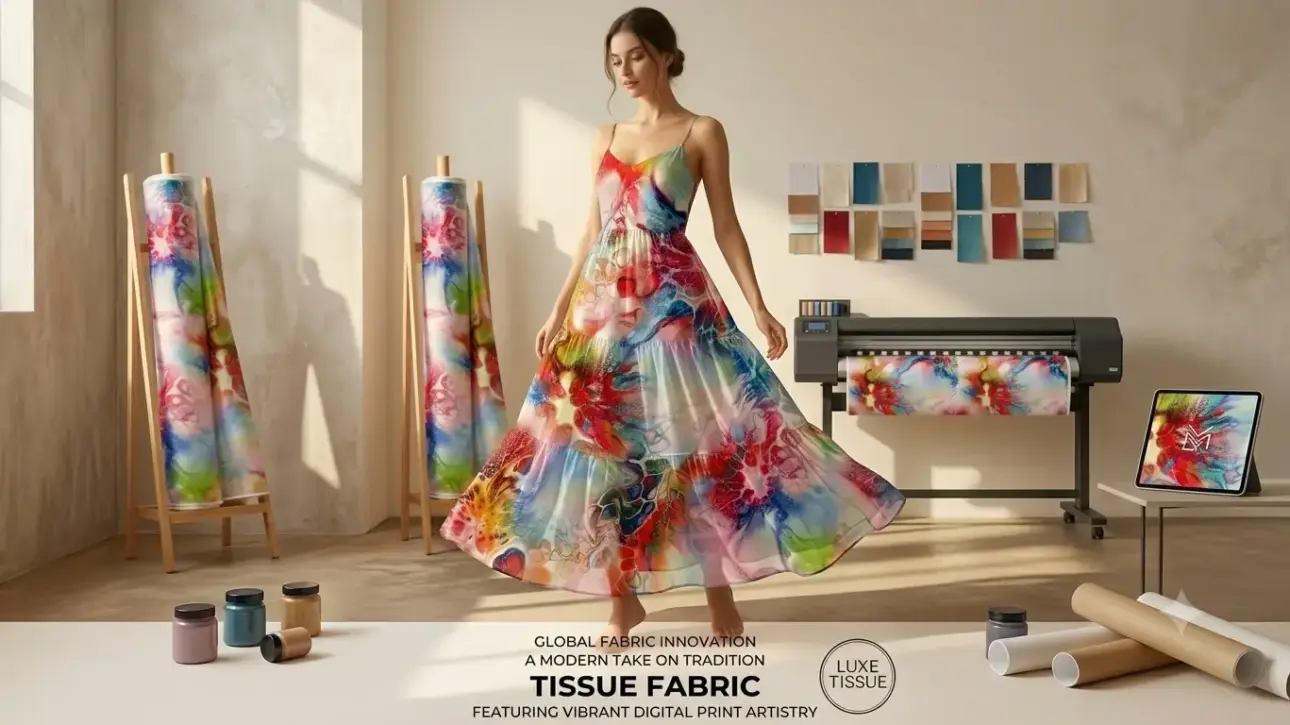
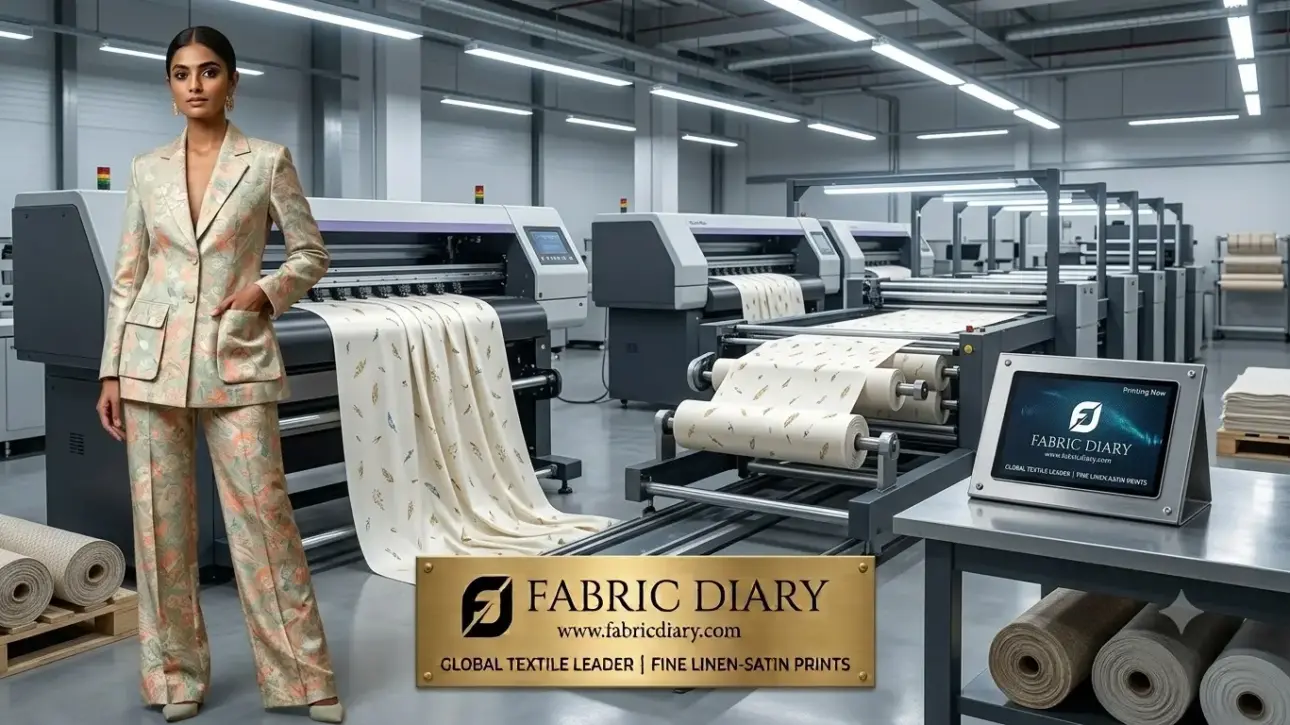
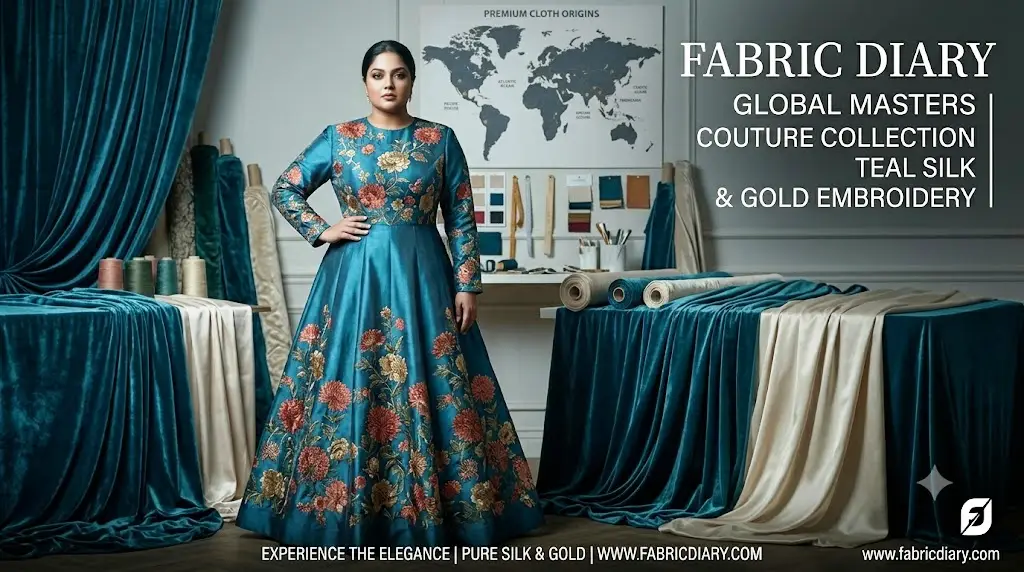
The modern buyer seeks reliability, trend responsiveness, low minimum order quantities, customization flexibility, and globally competitive pricing without sacrificing aesthetic sophistication. This shift has positioned Surat, India—particularly manufacturers such as Madhav Fashion and sourcing platforms like FabricDiary—as critical suppliers in the transnational fashion supply chain.
Sequin Fabric Exporter For Australia & New Zealand Market
Australia’s fashion market occupies a fascinating intersection between European luxury influence, Asian manufacturing logic, and Pacific lifestyle aesthetics. According to analyses frequently referenced by Statista, Business Insider, Vogue Business, and BOF, Australian consumers consistently gravitate toward garments that communicate understated glamour rather than overt extravagance. Sequins, therefore, are not confined to occasional festive attire.
They increasingly appear in cocktailwear, luxury resort fashion, performance costumes, bridal garments, festival collections, and premium ready-to-wear categories. Buyers searching for a Sequin Fabric Exporter For Australia & New Zealand Market are typically not searching for “cheap sparkle.” They are searching for consistency of shine under retail lighting, stable embroidery adhesion during industrial stitching, breathable base fabrics suitable for warm climates, and dependable export execution.
FabricDiary, backed by Madhav Fashion in Surat, India, operates within this exact commercial and psychological landscape. The platform serves emerging designers needing small-batch sampling as effectively as large garment manufacturers seeking container-level production volumes. This dual positioning matters deeply in Australia, where boutique labels coexist alongside scaled apparel importers and vertically integrated fashion chains.


Australia’s apparel industry reflects a unique consumer psychology shaped by geography, climate, migration, and lifestyle. Unlike hyper-formal European dressing cultures, Australian fashion leans toward relaxed sophistication. Yet beneath that casual visual language lies a strong appetite for visual luxury, particularly in eveningwear, bridalwear, and resort-inspired collections. Sequins satisfy this desire because they create visual drama while allowing brands to differentiate garments in saturated digital marketplaces.
For Australian garment manufacturers, sourcing decisions are influenced by three interconnected anxieties: inventory risk, freight unpredictability, and trend volatility. A buyer importing sequin fabrics into Sydney or Brisbane must consider not only price per meter but also embroidery durability, colorfastness under harsh UV exposure, shipment consistency, customs documentation, and the ability to reorder matching lots months later. This is where Indian exporters, especially those from Surat, possess structural advantages. Surat’s textile ecosystem combines embroidery expertise, dyeing infrastructure, jacquard capabilities, and scalable labor specialization in one concentrated manufacturing geography.
Global buyers today often begin their sourcing journey through platforms such as Alibaba, IndiaMART, TradeIndia, Etsy wholesale channels, and Amazon Business. However, once relationships mature, procurement shifts toward direct factory coordination because fashion manufacturing depends heavily on consistency. FabricDiary bridges this transition elegantly by functioning as a curated sourcing layer while Madhav Fashion anchors industrial-scale manufacturing reliability.
Australian buyers are especially responsive to suppliers who understand both commercial urgency and aesthetic nuance. A sequined mesh that performs beautifully in Middle Eastern bridalwear may feel too heavy for Gold Coast resort fashion. Conversely, sparse geometric sequins on stretch tulle may perfectly suit Australian evening labels targeting younger luxury consumers influenced by social media minimalism.
Fabric characteristics admired in Australia (climate, lifestyle, fashion)
Climate shapes textile demand more profoundly than trend forecasting alone. Australia’s warm coastal regions and outdoor-centric culture create strong demand for breathable, lightweight embellished fabrics rather than dense ceremonial textiles common in colder regions. Buyers frequently prioritize sequin fabrics constructed on mesh, georgette, soft net, organza, or lightweight knitted bases because these materials allow ventilation while preserving visual impact.
In technical terms, Australian buyers often prefer fabrics within GSM ranges of approximately 80–220 GSM for mainstream fashion applications. Heavy bridal constructions may exceed 300 GSM, but wearable comfort remains essential. Sequins attached through multi-head computerized embroidery machines using reinforced lock-stitch systems are increasingly favored because they reduce fallout during garment production and retail handling.
The yarn composition also matters significantly. Polyester filament yarns dominate because of durability and cost efficiency, yet premium labels increasingly request viscose blends, recycled polyester bases, or nylon mesh foundations for elevated drape and softness. Australian consumers value comfort as intensely as aesthetics. A sequined dress that scratches the skin or traps heat struggles commercially regardless of visual beauty.
Embroidery density preferences in Australia differ from Gulf or South Asian markets. Local brands often favor moderate-density sequencing with negative space, allowing garments to appear modern rather than excessively ornate. Matte sequins, iridescent tones, transparent paillettes, and tonal embroidery are especially popular in coastal luxury collections.
Quality control expectations are also rising rapidly. Buyers increasingly ask exporters about needle detection protocols, color consistency reports, wash testing, shrinkage tolerance, and sequin adhesion performance. Madhav Fashion’s manufacturing infrastructure addresses these concerns through layered QC systems involving pre-production swatch approval, embroidery tension calibration, thread break monitoring, visual inspection under industrial lighting, and packing verification.
Fashion publications such as Harper’s Bazaar Australia frequently spotlight garments that merge glamour with practicality. That balance directly influences the fabric sourcing decisions of Australian garment manufacturers.
Fabric variations/types + Australia fashion influence
The Australian market does not consume sequins as a singular category. It consumes highly differentiated interpretations of embellishment depending on season, geography, and target demographics. This creates opportunities for exporters capable of manufacturing diversified sequin constructions.
All-over sequin mesh fabrics remain dominant for evening gowns and celebrity-inspired occasionwear. These are commonly produced using computerized embroidery machines featuring high-density sequin attachment patterns. Australian brands often request champagne gold, rose gold, silver nude, sage green, ocean blue, and black-on-black tonal effects because these shades align with modern luxury palettes.
Stretch sequin fabrics are increasingly used in performancewear, dancewear, bodycon dresses, and festival collections. Polyester-spandex knitted bases allow mobility while preserving sparkle under stage lighting. The rise of music festivals across Australia has amplified demand for reflective and holographic sequins.
🌍 International — Free sample (only shipping charges apply)
Laser-cut sequin embroidery on organza has also gained popularity among contemporary designers influenced by editorial styling seen in Vogue Australia and WGSN forecasting reports. These fabrics appeal particularly to younger labels targeting social-media-driven visual merchandising.
Reversible sequins, though more niche, remain commercially relevant for childrenswear, novelty fashion, and entertainment costumes. Meanwhile, geometric sequin patterns inspired by Art Deco motifs resonate strongly with Australian luxury cocktailwear brands.
Australian fashion’s coastal influence also encourages softer interpretations of embellishment. Designers increasingly request sequin fabrics mixed with thread embroidery, bead accents, or floral motifs rather than purely metallic surfaces. This creates garments that photograph elegantly in daylight—a major consideration in influencer-led retail marketing.
FabricDiary supports these evolving needs by enabling small-scale experimental sourcing. Many boutique Australian labels prefer testing limited quantities before committing to larger production runs. This sampling-friendly approach reduces financial exposure while accelerating trend adaptation.
Global demand + specific Australia demand trends
Globally, sequined textiles have expanded far beyond ceremonial fashion. Market intelligence frequently discussed across Fibre2Fashion and Textile Today indicates that occasionwear, luxury prêt-à-porter, festival fashion, and influencer-driven social commerce are reshaping embellishment demand worldwide.
Australia mirrors these global shifts while maintaining distinct local preferences. The country’s fashion retail landscape increasingly revolves around event dressing. Consumers purchase garments not merely for ownership but for social visibility—weddings, races, galas, destination parties, engagement dinners, red carpet events, cruises, and luxury holidays.
The Melbourne Cup, Sydney social calendar events, fashion weeks, and music festivals create cyclical demand spikes for embellished apparel. Garment manufacturers therefore require sourcing partners capable of quick turnaround times and repeatable production quality.
An important emerging trend is “soft glamour.” Australian consumers increasingly reject excessively rigid or uncomfortable eveningwear. Instead, they prefer fluid silhouettes enhanced by subtle sparkle. This has increased demand for lightweight sequin tulles, abstract embroidery layouts, and tonal embellishment techniques.
Sustainability conversations are also becoming commercially relevant. Buyers increasingly ask about recycled bases, biodegradable packaging, reduced water dyeing methods, and ethical labor practices. While sequins themselves remain largely synthetic, exporters capable of transparent communication around responsible production gain stronger buyer confidence.
A practical sourcing pattern has also emerged among Australian importers. Rather than maintaining large inventories, many brands now operate leaner stock models with faster replenishment cycles. This benefits agile Indian exporters capable of producing moderate-volume repeat orders without compromising consistency.
Bridal wear relevance (Australia traditions & customs)
Australian bridal fashion is deeply multicultural. Traditional Western bridal aesthetics coexist with South Asian, Middle Eastern, Pacific Islander, African, and East Asian wedding influences. This diversity has significantly expanded the role of sequined textiles within the bridal market.
Classic Australian bridalwear historically favored satin and lace minimalism. However, contemporary bridal culture increasingly embraces embellished gowns for receptions, engagement parties, destination ceremonies, and bridal after-parties. Sequins now appear in layered tulle gowns, fitted silhouettes, detachable overskirts, and modern corseted bridal constructions.
White, ivory, pearl champagne, nude blush, and soft silver remain dominant bridal tones. Yet multicultural weddings across Sydney and Melbourne also generate demand for gold, emerald, wine, rose pink, and champagne sequined fabrics.
Indian-origin communities in Australia play an especially influential role in this category. Bridal lehengas, reception gowns, Indo-Western fusion garments, and embellished saree fabrics contribute significantly to import demand from Surat manufacturers.
From a technical standpoint, bridal buyers prioritize finer embroidery density, premium threadwork, balanced weight distribution, and skin comfort. High-quality sequin attachment becomes essential because bridal garments undergo extended wear, photography exposure, dancing, and multiple fittings.
Fashion institutes such as Parsons, FIT, and Istituto Marangoni increasingly emphasize emotional storytelling in bridalwear design education. Australian bridal designers mirror this philosophy by selecting fabrics that communicate intimacy and individuality rather than generic luxury.
Wedding wear applications + outfit names used in Australia
Weddingwear in Australia spans far beyond the ceremony itself. Modern consumers purchase multiple garments across engagement dinners, bridal showers, rehearsal events, receptions, after-parties, and destination celebrations. This multi-event structure expands demand for varied sequin textiles.
Popular garment categories include sequined bridal gowns, bridesmaid dresses, cocktail dresses, mother-of-the-bride ensembles, evening jumpsuits, reception gowns, formal maxidresses, corseted gowns, cape dresses, and embellished co-ord sets.
Within multicultural communities, additional categories include lehengas, sarees, shararas, anarkalis, kaftans, Indo-Western gowns, and fusion drapes. Australian retailers serving South Asian communities often source sequined fabrics directly from Indian exporters because local availability remains limited and expensive.
One Sydney-based boutique label, for example, reportedly shifted from sourcing through intermediaries to direct Surat procurement after facing inconsistent embroidery quality from secondary wholesalers. By working directly with Indian manufacturers, the brand improved design exclusivity while reducing production costs substantially.
Australian wedding styling also strongly favors photography-friendly textiles. Sequins that create soft reflective luminosity rather than harsh glare perform especially well in outdoor ceremonies. This has increased demand for matte and satin-finish sequins alongside translucent embellishment styles.
Partywear/evening wear demand + cultural examples (Australia)
Australia’s eveningwear culture is tied closely to public social experiences. Rooftop dining, beachside luxury venues, music festivals, yacht parties, fashion launches, and charity galas all influence apparel demand patterns. Sequined garments thrive in these environments because they create immediate visual distinction under artificial lighting and digital photography.
Partywear brands increasingly seek fabrics with multidimensional texture rather than flat sparkle. This includes layered sequins, gradient embroidery, geometric placement work, and mixed-material embellishment techniques.
Black sequins remain commercially dominant due to versatility, but jewel tones—especially sapphire, emerald, ruby, and metallic bronze—perform strongly during formal event seasons. Soft neutrals also continue gaining popularity because Australian consumers often prefer repeat-wear versatility over one-time statement garments.
Auckland’s fashion market shares many similarities with Australia while leaning slightly more minimalist in aesthetic expression. New Zealand designers often prefer subtle sequin integrations rather than fully embellished surfaces. Exporters capable of adjusting embroidery density according to regional preference gain stronger long-term commercial positioning.
The influence of celebrity culture, streaming platforms, and social media cannot be overstated. Consumers increasingly purchase garments designed to photograph effectively on Instagram, TikTok, and event media coverage. Sequins naturally support this visual economy.
Garment manufacturing usage (brands, factories, wholesalers in Australia)
Australia’s garment manufacturing ecosystem includes independent designers, private-label factories, wholesalers, bridal studios, costume suppliers, fashion startups, and e-commerce-native labels. Many operate with relatively lean production capacities compared to larger Asian markets, making sourcing flexibility essential.
Factories often seek sequin fabrics that minimize production complications. Excessively rigid embroidery can damage industrial needles, increase labor costs, or reduce stitching efficiency. Therefore, exporters providing technically balanced constructions gain competitive advantage.
Common manufacturing concerns include:
- Sequin fallout during cutting
- Needle breakage
- Fabric curling
- Embroidery distortion under stretch
- Color mismatches between repeat orders
- Delayed freight timelines
Madhav Fashion addresses many of these concerns through controlled embroidery calibration, stable backing systems, and export-oriented packaging practices.
Wholesalers in Australia frequently import mixed containers containing multiple fabric categories rather than only sequins. Suppliers capable of consolidating embroidery fabrics, plain bases, lace materials, and printed textiles into unified shipments simplify logistics considerably.
FabricDiary’s low MOQ capability is especially attractive to emerging Australian brands testing capsule collections. Rather than committing immediately to industrial-scale volumes, designers can validate market response through smaller production runs.
Designer + boutique preferences in Australia
Australian designers tend to prioritize fabric personality over excessive ornamentation. They often seek textiles that communicate sophistication through movement, texture, and nuanced shine rather than overt embellishment density.
Boutique buyers frequently request:
- Soft-touch sequin bases
- Lightweight drape
- Modern geometric motifs
- Tonal embroidery
- Editorial-inspired palettes
- Small-batch exclusivity
Fashion schools and design institutions, including NIFT collaborations and international influences from Parsons and FIT, have helped globalize design vocabulary. Australian designers today are highly trend-aware and often reference runway aesthetics from Paris, Milan, and New York while adapting them to local lifestyle sensibilities.
A Melbourne boutique specializing in contemporary bridalwear may require only 80–120 meters of an exclusive embroidered sequin mesh for seasonal collections. Traditional large factories often reject such small quantities. FabricDiary fills this market gap by enabling flexible sourcing without sacrificing professional export support.
This flexibility matters psychologically. Designers want suppliers who understand creative experimentation rather than forcing standardized commercial templates.
B2B sourcing behavior, import habits, bulk-buy logic (Australia)
Australian B2B buyers approach sourcing pragmatically. Freight costs, lead times, customs procedures, and inventory risk heavily influence purchasing decisions. Buyers increasingly prefer suppliers capable of providing digital catalogs, rapid swatch dispatch, production transparency, and predictable communication.
The sourcing journey often begins online through Alibaba, IndiaMART, TradeIndia, or social commerce discovery. However, long-term relationships depend on responsiveness and reliability rather than listing visibility alone.
Bulk-buy logic in Australia differs from ultra-high-volume markets. Many businesses prefer staggered procurement cycles instead of warehousing excessive inventory. This creates demand for exporters capable of maintaining repeatable production standards across smaller but recurring orders.
Importers also increasingly request:
- HS code clarity
- Fabric composition declarations
- Packaging optimization
- Air and sea freight flexibility
- Production videos
- Pre-dispatch inspection reports
Trust becomes a decisive commercial factor. Australian buyers are cautious about inconsistent suppliers because delayed or defective shipments can severely disrupt retail calendars.
Surat manufacturers with vertically integrated production systems hold substantial advantages because they control embroidery, dyeing, finishing, and dispatch processes more effectively than fragmented sourcing networks.
Custom manufacturing, MOQ, export factors, reliability markers
Customization has become central to modern textile sourcing. Australian buyers increasingly request exclusive sequin layouts, custom colorways, modified embroidery densities, branded packaging, and market-specific fabric engineering.
Madhav Fashion’s Surat manufacturing infrastructure supports scalable customization through computerized embroidery systems capable of producing varied stitch types including satin stitch, chain stitch, lock stitch, cording integration, and multi-sequin attachment techniques.
Reliability markers increasingly evaluated by international buyers include:
- Consistent GSM tolerance
- Repeat color accuracy
- Export documentation quality
- Embroidery durability
- Factory communication speed
- Sample turnaround efficiency
- Compliance awareness
Minimum order quantities also strongly influence buyer decisions. Large factories often impose MOQs unsuitable for boutique labels or experimental collections. FabricDiary’s low MOQ approach supports designers requiring small sampling runs before larger commitments.
Shipping timelines to Australia typically vary depending on order scale and freight mode. Air shipments may arrive within approximately one week, while sea freight generally requires several weeks depending on customs clearance and port logistics.
Australian buyers also increasingly appreciate suppliers capable of balancing creative flexibility with industrial discipline. A beautiful fabric loses commercial value if delivery timelines collapse or repeat consistency fails.
Why FabricDiary & Madhav Fashion are ideal for Australia buyers
The Australia and New Zealand market demands a rare combination of design sensitivity and manufacturing reliability. FabricDiary and Madhav Fashion collectively address both dimensions.
FabricDiary serves emerging designers, boutique labels, sampling teams, and smaller garment manufacturers seeking curated sourcing flexibility, low MOQs, swatch accessibility, and trend-responsive textile discovery. This is particularly valuable in Australia’s entrepreneurial fashion ecosystem where independent labels frequently launch capsule collections and digital-first brands.
Madhav Fashion, operating from Surat’s globally recognized textile manufacturing ecosystem, provides industrial-scale embroidery production, export readiness, factory pricing advantages, and large-order execution capability. The company’s experience with international buyers enables smoother coordination around customization, production timelines, and freight logistics.
Together, they represent an increasingly important sourcing model for modern fashion businesses: creative accessibility combined with manufacturing depth.
Australian buyers today are not simply importing sequined fabrics. They are importing reliability, trend intelligence, emotional aesthetics, and commercial adaptability. In a fashion economy shaped simultaneously by Instagram visibility, globalized design influence, climate practicality, and inventory caution, suppliers who understand both psychology and production become indispensable partners.
For garment manufacturers, wholesalers, designers, and boutique brands across Australia and New Zealand, Surat’s textile expertise—channeled through platforms like FabricDiary and manufacturers like Madhav Fashion—continues to offer one of the most strategically valuable sourcing relationships in the contemporary apparel industry.
——————-
FAQs
Q1. How can Australian buyers import sequin fabric from India?
Australian buyers can import sequin fabrics through direct factory sourcing, B2B marketplaces, or sourcing platforms like FabricDiary. The process typically involves sample approval, quotation confirmation, production scheduling, freight selection, customs documentation, and shipment clearance through Australian import authorities.
Q2. What is the average shipping timeline from Surat, India to Australia?
Air freight shipments generally arrive within 5–10 business days depending on customs processing, while sea freight shipments may take approximately 25–40 days depending on port schedules and shipment volume.
Q3. What are the MOQ options for sequin fabrics?
FabricDiary supports low MOQ sourcing suitable for designer sampling and boutique production, while Madhav Fashion handles large-scale bulk manufacturing for wholesalers and garment factories.
Q4. Can buyers request fabric samples before bulk ordering?
Yes. Swatches, sample yardages, and color references are commonly provided so buyers can evaluate embroidery quality, GSM, color accuracy, and garment compatibility before confirming production.
Q5. Which sequin fabric types are popular in Australia?
Popular varieties include sequin mesh, stretch sequin knit, holographic sequins, matte sequins, tonal embroidery sequins, geometric sequin fabrics, and bridal sequin tulles.
Q6. What payment terms are commonly used for export orders?
International orders are often processed through advance payment structures, partial deposits with balance before dispatch, or secure banking arrangements depending on order size and buyer relationship history.
Q7. Can custom sequin designs be manufactured for Australian brands?
Yes. Manufacturers in Surat, including Madhav Fashion, commonly produce customized embroidery layouts, exclusive motifs, color developments, branding-specific embellishments, and tailored fabric constructions for international buyers.
Thanks for reading this article and exploring FabricDiary — one of the world’s fastest-growing B2B designer fabric platforms featuring thousands of ready-to-ship collections for garment manufacturers, fashion brands, wholesalers, boutiques, and global sourcing buyers. We regularly publish detailed insights on embroidery fabrics, sequin textiles, fashion trends, bridal materials, export sourcing, and international fabric manufacturing. For full-length articles, sourcing support, bulk inquiries, or custom fabric development, feel free to contact us at: info.fabricdiary@gmail.com
Top Sequin Fabric Exporter for Australia & New Zealand Fashion Market
Discover premium sequin fabrics designed for Australian and New Zealand garment manufacturers, fashion brands, boutiques, and global buyers seeking export-quality textile sourcing.
Leading Sequin Embroidery Fabric Manufacturer & Exporter from India
Source high-quality sequin embroidery fabrics from India’s trusted manufacturer offering factory pricing, consistent production quality, and reliable worldwide export solutions.
World-Class Sequin Fabric Manufacturing for Global Apparel Brands
Explore advanced sequin fabric manufacturing developed for bridalwear, eveningwear, luxury fashion, and large-scale garment production with dependable export support.
Asia’s Trusted Sequin Fabric Supplier for International Buyers
Access trend-focused sequin fabrics with premium finishing, scalable production capacity, and competitive wholesale pricing for designers and garment manufacturers worldwide.
Premium Sequin Fabric Exporter for Bridal & Evening Wear
Choose luxury sequin fabrics crafted for bridal gowns, cocktail dresses, occasionwear, and couture collections with strong global shipping and customization support.
High-Quality Sequins Embroidered Fabric for Fashion Manufacturing
Buy export-quality sequins embroidered fabrics ideal for apparel factories, wholesalers, designers, and private-label garment manufacturing businesses worldwide.
Designer Sequin Fabric Manufacturer for Boutique Fashion Brands
Discover designer sequin fabrics tailored for boutique labels, premium fashion houses, and contemporary apparel brands seeking unique textures and modern embellishments.
Top Sequin Fabric Supplier for Garment Manufacturers in Australia
Source premium sequin fabrics for Australian garment production with reliable MOQ flexibility, factory-direct pricing, and professional export coordination from India.
Export-Quality Sequin Fabric for Wedding & Partywear Collections
Explore elegant sequin fabrics developed for weddingwear, bridesmaid dresses, evening gowns, and luxury partywear collections requiring premium shine and durability.
Wholesale Sequin Fabric Manufacturer & Bulk Export Company
Partner with a trusted wholesale sequin fabric manufacturer offering bulk supply, stable embroidery quality, secure packaging, and fast international delivery support.
Buy Sequin Fabrics Online for Global Fashion Businesses
Shop premium sequin fabrics online at wholesale prices for designers, garment manufacturers, exporters, and fashion retailers seeking reliable international sourcing solutions.
Premium Sequin Embroidery Fabric Supplier from Surat, India
Access world-class sequin embroidery fabrics from Surat’s leading textile manufacturing hub with custom development support and global B2B export capabilities.
Luxury Sequin Fabric Collections for Couture & Designer Fashion
Discover couture-inspired sequin fabric collections created for luxury apparel brands, bridal studios, and high-end fashion businesses demanding refined craftsmanship.
Trusted Sequin Fabric Export House for Worldwide Buyers
Choose a reliable export house supplying premium sequin fabrics with low MOQ options, consistent production standards, and dependable worldwide logistics support.
Custom Sequin Fabric Manufacturing for International Fashion Brands
Develop custom sequin fabrics with exclusive embroidery patterns, designer colorways, and scalable manufacturing support tailored for global apparel businesses.
Factory Direct Sequin Fabric Supplier for Bulk Fashion Production
Source factory-direct sequin fabrics engineered for large-scale garment production, wholesale distribution, and export-oriented fashion manufacturing industries worldwide.
Premium Embroidered Sequin Fabric for Bridal Fashion Designers
Explore embroidered sequin fabrics designed for bridal couture, reception gowns, and luxury wedding collections requiring premium embellishment and flawless finishing.
Global Sequin Fabric Sourcing Platform for Fashion Industry Buyers
Find export-ready sequin fabric collections for wholesalers, apparel manufacturers, boutiques, and sourcing agents seeking quality-driven textile partnerships worldwide.
Modern Sequin Fabric Designs for Contemporary Fashion Collections
Shop modern sequin fabric designs inspired by global runway trends, luxury eveningwear aesthetics, and evolving international fashion market demand.
Reliable Sequin Fabric Export Partner for Apparel Businesses
Work with an experienced sequin fabric export partner delivering consistent quality, fast sampling support, low MOQ solutions, and professional global shipping services.