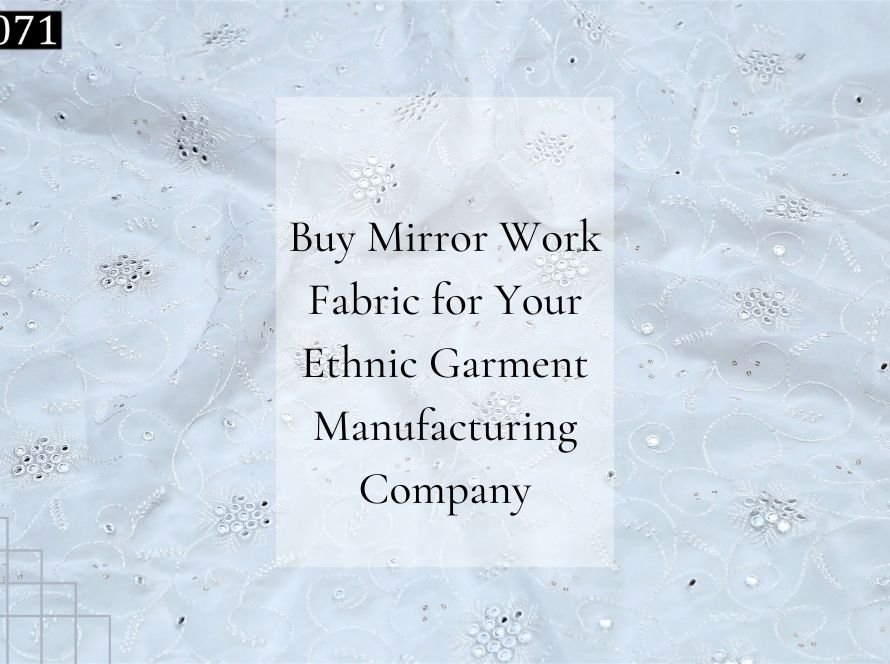



The modern bridal market is undergoing a silent transformation. Brides today are negotiating tradition and individuality, ceremony and comfort, heritage and movement. Within this shift, the tea length bridal dress has emerged as a powerful symbol of contemporary elegance—shorter than ceremonial gowns yet deeply expressive of bridal identity. From European civil weddings to Indian engagement ceremonies and American reception dresses, tea length silhouettes represent mobility, modern romance, and fashion literacy.
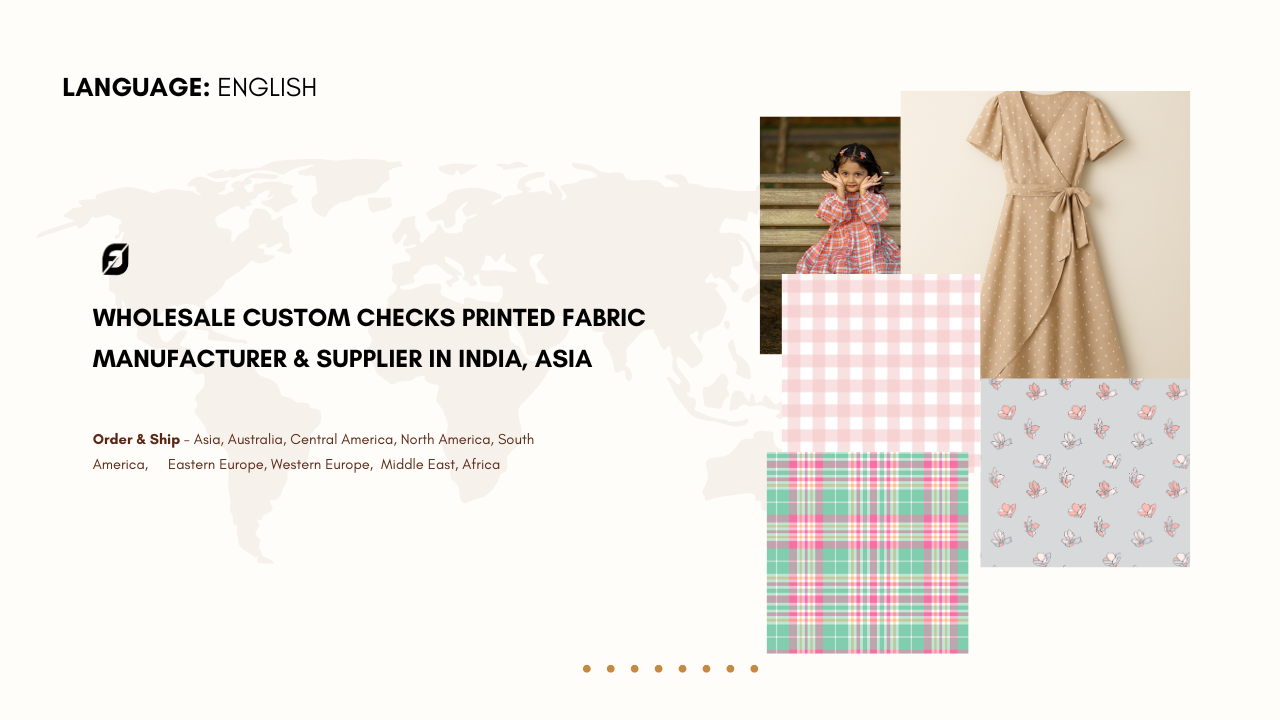
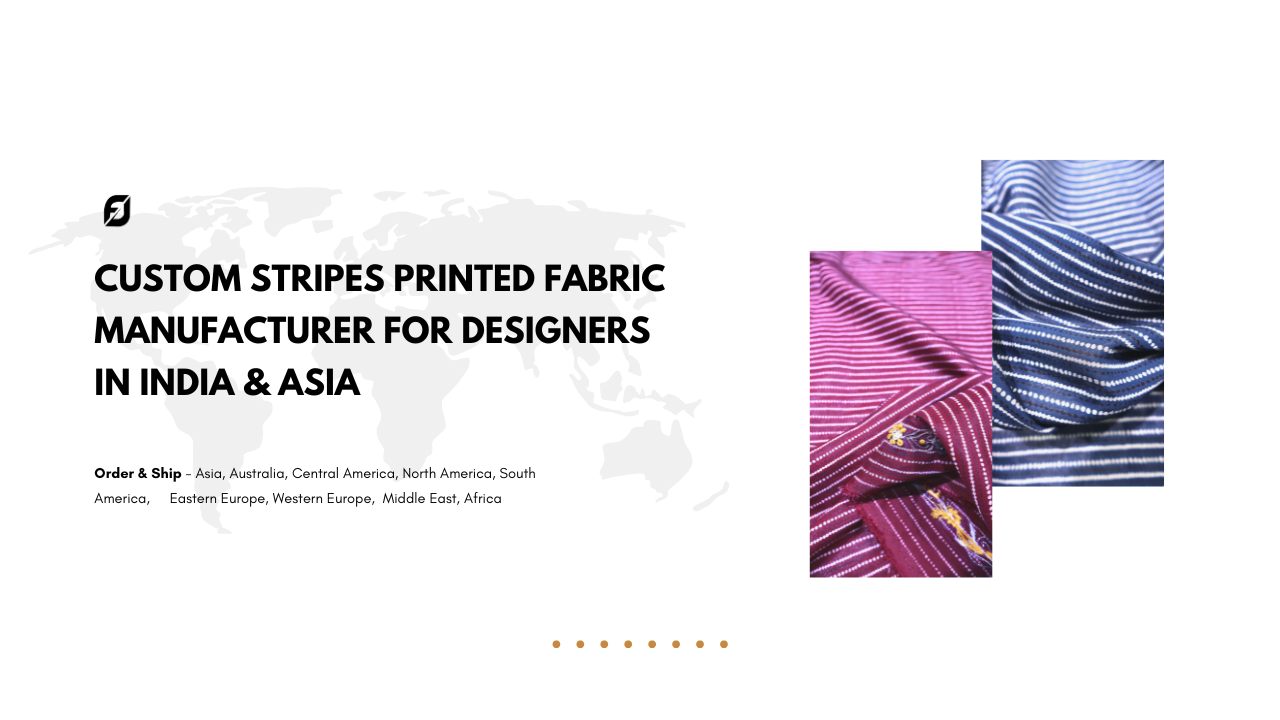
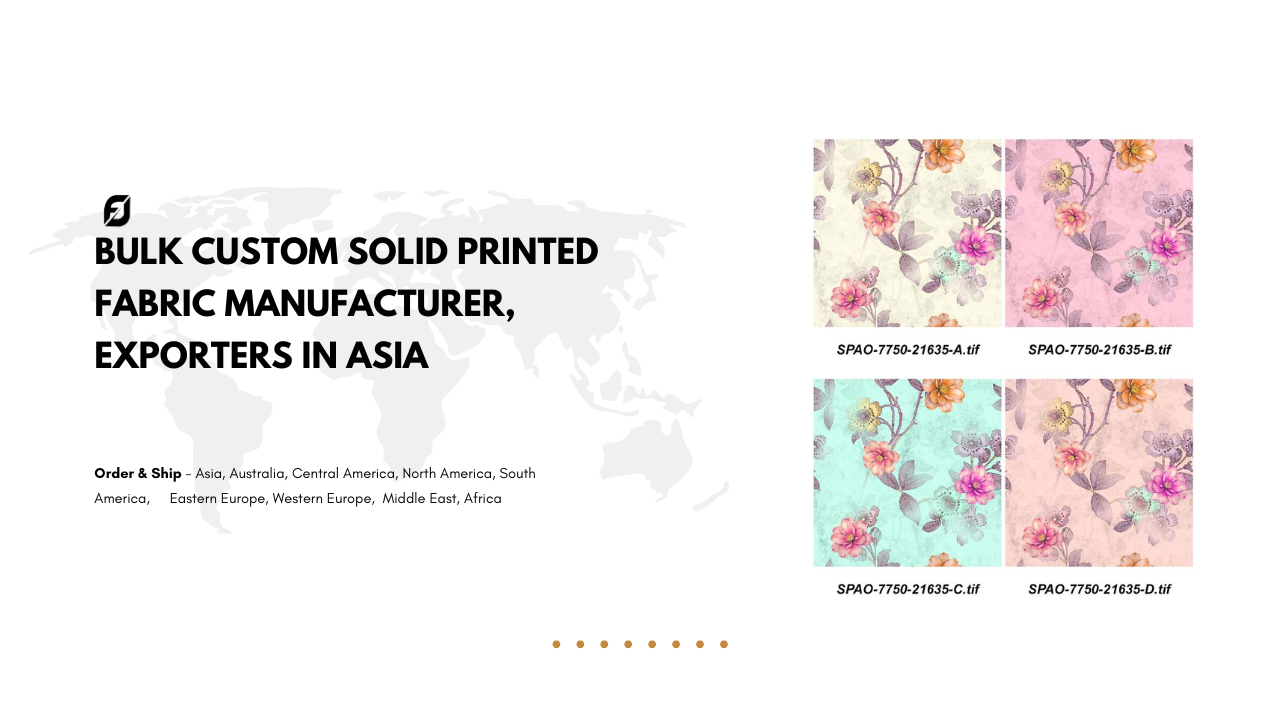
Embroidery fabric plays a decisive role in this evolution. Buyers no longer search merely for “bridal fabric”; they search for engineered textiles balancing drape, embroidery density, breathability, and photographic appeal. Global fashion intelligence platforms like Vogue, Harper’s Bazaar, and Business of Fashion frequently highlight shorter bridal silhouettes as part of post-pandemic wedding personalization trends, where comfort-driven luxury dominates.
Tea Length Bridal Dress Embroidery Fabric Manufacturer & Supplier
India contributes roughly 30% of global embroidered fabric exports, yet demand psychology is increasingly universal. Designers from Milan to Melbourne seek adaptable fabrics suitable for multi-cultural weddings. Tea length bridal dress embroidery fabric sits precisely at this intersection—technical textile engineering meeting emotional storytelling.
Fabric Characteristics Buyers Value Across Global Markets
Fabric preference reflects climate, ceremony duration, and cultural aesthetics. Buyers across regions evaluate embroidery fabrics differently:
- Europe & UK: lightweight structures, matte elegance, subtle threadwork
- North America: structured silhouettes with dimensional embroidery
- Middle East: high-density embellishment with luminous finishes
- India & Southeast Asia: breathable yet festive surfaces
Typical technical specifications include:
- GSM Range: 120–240 GSM for structured yet wearable tea length garments
- Base Fabrics: net, organza, georgette, satin blends, tulle
- Yarn Types: viscose rayon, polyester filament, silk blends
- Embroidery Density: 8,000–18,000 stitches per square meter depending on bridal category
- Machines Used: Schiffli machines, multi-head computerized embroidery, sequins automation units
- Quality Control: shrinkage testing, thread fastness checks, needle penetration inspection, panel alignment testing
Buyers increasingly request fabrics that photograph well under LED lighting—a requirement highlighted in bridal trend reports referenced by WGSN and Fibre2Fashion.
Fabric Variations Influenced by Regional Fashion Culture
Tea length bridal dress fabrics evolve through local interpretation rather than uniform design.
Common variations include:
- Floral Schiffli embroidery inspired by European gardens
- Mughal-influenced motifs favored in South Asian celebrations
- Minimal geometric patterns aligned with Scandinavian bridal minimalism
- Pearl and sequin overlays popular in Gulf weddings
Fashion institutes like FIT, Parsons School of Design, and NIFT emphasize hybrid silhouettes in their bridal collections, demonstrating how shorter bridal dresses accommodate both couture and ready-to-wear manufacturing ecosystems.
The adaptability of embroidery placement—border-focused, scattered motifs, or panel embroidery—makes tea length designs commercially scalable for brands.
Global Demand Trends and Country-Level Buyer Psychology
According to fashion analytics discussions referenced in Statista and Textile Today industry insights, bridalwear purchasing now follows three buyer archetypes:
- Ceremony Minimalists — civil wedding buyers in Europe
- Multi-Outfit Brides — Indian and Asian markets needing multiple events
- Reception-Focused Buyers — American and Australian markets prioritizing dance-ready garments
Search patterns across Alibaba, Etsy, IndiaMART, and Amazon Business show rising queries combining keywords like:
- “short bridal dress fabric”
- “embroidery fabric for reception gown”
- “tea length wedding dress material”
Importers increasingly prioritize reliability over price alone, shifting sourcing relationships toward manufacturers capable of consistent repeat production.
Bridal Significance Across Cultural Traditions
While long gowns dominate historical bridal imagery, tea length dresses historically appeared in 1950s Western weddings—now revived through contemporary reinterpretation.
Cultural adaptations include:
- India: engagement ceremonies, mehendi outfits, reception wear
- USA: courthouse weddings and rehearsal dinners
- France & Italy: civil ceremonies
- Japan & Korea: modern minimalist weddings
Embroidery styles adapt accordingly:
- Ivory threadwork for Western elegance
- Pastel florals for Asian ceremonies
- Metallic accents for Middle Eastern receptions
Publications like Vogue Weddings increasingly document brides choosing mobility over formality, reinforcing demand for lightweight embroidered fabrics.
Wedding Wear Applications and Regional Outfit Interpretations
Tea length embroidery fabrics extend beyond bridal gowns into multiple garments:
- Cocktail bridal dresses
- Reception gowns
- Indo-western lehenga skirts
- Bridal co-ord sets
- Short anarkali silhouettes
- Couture party dresses
In India, designers reinterpret tea length silhouettes through fusion garments combining lehenga volume with Western hemlines, appealing strongly to urban buyers aged 25–35.
Manufacturers therefore engineer fabrics with adaptable border repeats to suit multiple garment constructions.
Eveningwear and Partywear Cultural Demand
Tea length embroidered fabrics transition seamlessly into eveningwear markets, expanding B2B potential beyond bridal.
Examples include:
- European gala dresses
- Middle Eastern engagement parties
- Southeast Asian formal dinners
- Indian sangeet celebrations
Harper’s Bazaar trend analyses frequently highlight shorter hemlines paired with intricate textures as symbols of modern femininity—driving wholesale demand among boutique designers.
Sequins embroidery, tone-on-tone threadwork, and translucent layering dominate eveningwear production requests.
Garment Manufacturing and Industrial Usage
Garment factories evaluate embroidery fabrics through operational efficiency:
- Cutting wastage ratio
- Pattern repeat alignment
- Needle compatibility with industrial stitching
- Wash durability
Large manufacturers often require:
- Consistent dye lots
- Bulk availability (500–5000 meters)
- Predictable embroidery placement
Brands sourcing through B2B platforms like TradeIndia or Alibaba frequently face inconsistency between samples and bulk shipments—a recurring industry challenge documented by Business Insider’s fashion supply chain analyses.
Reliable manufacturing partners therefore become long-term strategic assets rather than transactional vendors.
Designer and Boutique Preferences Worldwide
Boutique designers prioritize storytelling fabrics.
Preferences observed globally:
- Soft romantic florals for European bridal ateliers
- Structured lace-like embroidery for American designers
- Dense ornamental patterns for luxury Asian boutiques
Graduates from Istituto Marangoni and Parsons increasingly experiment with tea length bridal silhouettes because they balance couture craftsmanship with commercial scalability.
Designers seek suppliers offering small sampling quantities before scaling production—a growing requirement in independent fashion ecosystems.
B2B Sourcing Behavior and Import Logic
Importers evaluate embroidery suppliers through layered decision-making:
Primary Factors
- Consistency across orders
- Transparent communication
- Sampling availability
- Documentation readiness
Common Buyer Problems
- MOQ too high for testing
- Color mismatch in bulk
- Delivery unpredictability
- Lack of customization
Professional exporters solve these through:
- swatch programs
- digital approvals
- embroidery strike-offs
- production tracking
Platforms like IndiaMART and Etsy enable discovery, but buyers ultimately prefer direct manufacturer relationships for cost stability.
Custom Manufacturing, MOQ Strategy & Export Reliability
Tea length bridal dress fabrics require customization flexibility due to evolving bridal trends.
Export-ready suppliers provide:
- Custom motif scaling
- Color matching via Pantone standards
- Adjustable embroidery density
- Private label manufacturing
Typical export workflow:
- Swatch approval
- Sampling development
- Pre-production QC
- Bulk manufacturing
- Final inspection
- Global shipment
Compliance requirements often include packaging standards, HS codes, and fabric composition declarations for EU and US imports.
Why FabricDiary & Madhav Fashion Fit Global Buyer Needs
Global buyers today operate across two scales: experimentation and expansion.
FabricDiary supports the experimental stage by enabling designers, boutiques, and startups to source small quantities—even 1–3 meters—for sampling, photoshoots, or capsule collections. This removes one of the largest barriers in fashion entrepreneurship: high MOQ risk.
Madhav Fashion (Surat) operates at the industrial scale, offering:
- factory-direct embroidery manufacturing
- large-volume production capability
- consistent dyeing and embroidery quality
- established export logistics
This dual ecosystem allows buyers to prototype creatively and scale commercially without changing suppliers—a rare advantage in textile sourcing.
FAQs
1. Can tea length bridal dress fabric be imported in small quantities?
Yes, sampling quantities are available for designers before bulk production decisions.
2. What shipping options exist for international buyers?
Air and sea freight options are available depending on urgency and order size.
3. What is the usual MOQ for embroidery fabric?
Sampling can start from 1 meter, while bulk production typically begins around 300–500 meters.
4. Are custom bridal embroidery designs possible?
Yes, motifs, colors, and embroidery density can be customized.
5. Which fabrics work best for tea length bridal dresses?
Net, organza, georgette, and lightweight satin bases are most preferred.
6. What payment methods are accepted internationally?
Wire transfer, LC, and secure B2B payment gateways are commonly used.
7. Can boutiques scale orders later after sampling?
Yes, many buyers begin small and transition to bulk manufacturing.
Thank you for reading our article and visiting FabricDiary — a global B2B designer fabric platform featuring thousands of ready-to-source collections for designers, boutiques, garment manufacturers, and fashion brands worldwide. Alongside our extensive fabric range, we publish in-depth insights on fabric types, industry trends, and international sourcing strategies to support smarter buying decisions. If you would like access to full-length articles or detailed information on any of the topics featured above, please feel free to contact us at info.fabricdiary@gmail.com.
Top Allover Tea Length Bridal Dress Embroidery Fabrics for Designers & Manufacturers
Explore premium allover embroidery fabrics engineered for tea length bridal dresses, offering balanced drape, uniform motifs, and scalable production ideal for designers, boutiques, and export garment manufacturers worldwide.
Sequins Tea Length Bridal Dress Embroidery Fabric Manufacturer & Global Exporter
Discover high-precision sequins embroidery fabrics developed using advanced machinery, ensuring shine consistency, durability, and bulk availability for international bridalwear brands and wholesale buyers.
Largest Tea Length Bridal Dress Embroidery Fabric Manufacturer for Bulk Supply
Access large-scale manufacturing capabilities producing consistent embroidery fabrics suitable for bridal collections, enabling fashion brands and importers to maintain reliable inventory and repeat production cycles.
Leading Tea Length Bridal Dress Embroidery Fabric Supplier Across Asia
Source trend-driven embroidery fabrics from Asia’s trusted supplier network, delivering fast dispatch, competitive wholesale pricing, and adaptable designs aligned with global bridal and occasionwear markets.
Popular Zari Work Tea Length Bridal Dress Embroidery Fabric Exporter
Choose zari embroidery fabrics crafted for elegant bridal silhouettes, combining traditional metallic artistry with modern fabric engineering preferred by designers, wholesalers, and international fashion buyers.
Premium Thread Work Tea Length Bridal Dress Embroidery Fabric Export House
Experience refined thread embroidery fabrics designed for couture and premium bridalwear, offering precise detailing, smooth finishing, and dependable export solutions for luxury brands and boutique labels.
Asia’s Trusted Cording Work Tea Length Bridal Dress Embroidery Fabric Manufacturer
Discover dimensional cording embroidery fabrics adding texture and structure to tea length bridal dresses, ideal for designers seeking distinctive surfaces supported by factory-direct manufacturing reliability.
Top Printed Tea Length Bridal Dress Embroidery Fabric Manufacturer
Explore printed embroidery fabrics blending digital pattern innovation with stitched detailing, perfect for contemporary bridal collections requiring lightweight comfort and scalable garment production.
Jaquard & Brocade Tea Length Bridal Dress Embroidery Fabric Exporter
Source jacquard and brocade embroidery fabrics combining woven richness with bridal elegance, widely chosen by global designers for structured tea length wedding dresses and occasionwear collections.
Asia’s Largest Tea Length Bridal Dress Embroidery Fabric Export Partner
Benefit from extensive export infrastructure delivering embroidery fabrics worldwide with secure packaging, quality assurance, and dependable logistics trusted by brands, importers, and garment manufacturers.
Premium Tea Length Bridal Dress Embroidery Fabric Manufacturer in Asia
Access premium-grade embroidery fabrics produced with strict quality standards, ensuring uniform stitching, refined finishing, and consistent performance across sampling, boutique production, and bulk orders.
Shop Tea Length Bridal Dress Embroidery Fabric Online for Global Buyers
Browse export-quality embroidered fabrics online with customization support, wholesale pricing, and flexible quantities designed for designers, startups, and garment manufacturers sourcing globally.
Shop Embroidery Fabrics Online – Designer Materials for Production & Sampling
Buy embroidered designer fabrics developed for sampling, prototyping, and large-scale production, offering consistent quality and sourcing convenience for fashion businesses and international buyers.
Shop Designer Embroidered Fabrics Online with Global Shipping Support
Purchase curated designer embroidery fabrics suitable for bridal, couture, and occasionwear collections, supported by reliable worldwide shipping and customization options for modern fashion brands.