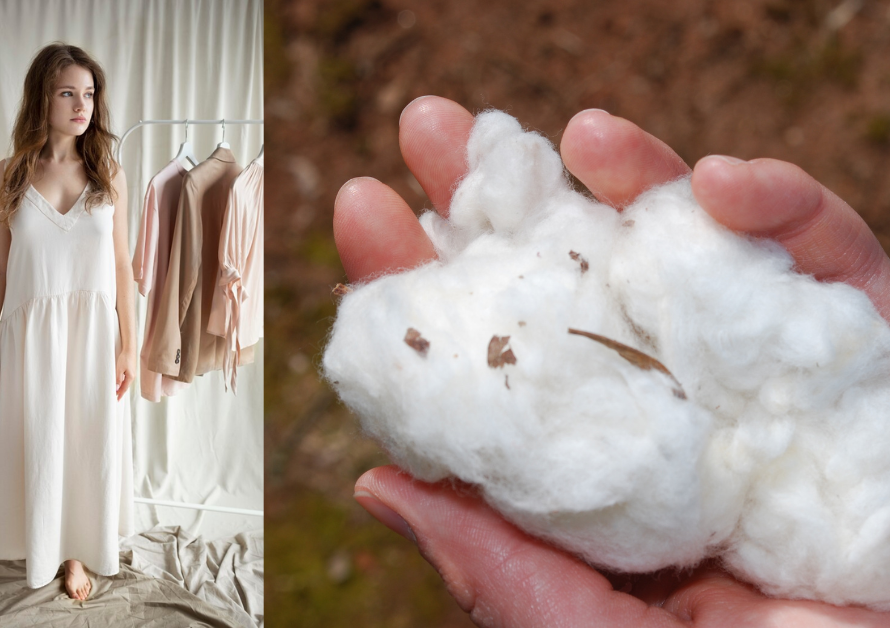



Across civilizations, shawls and stoles (Shawl Embroidery Fabric) have functioned as far more than accessories. From Himalayan winters to Mediterranean evenings, from South Asian weddings to Parisian runways, these rectangular fabrics communicate identity, warmth, luxury, and cultural belonging. In global fashion economics, shawls and stoles sit at a unique intersection: low-size, high-value, emotion-driven textile products.
For B2B buyers—designers, private labels, boutiques, department stores, and importers—embroidered shawl and stole fabrics represent a high-margin category with year-round demand. India, particularly Asian manufacturing hubs like Surat, has emerged as a global backbone for this segment due to its mastery of silk bases, embroidery density, and scalable customization.
Stole / Shawl Embroidery Fabric Manufacturer & Supplier in India, Asia
Fabric Characteristics Admired by Global Buyers
Buyers across Europe, the Middle East, North America, and Asia consistently look for three qualities in embroidered shawl and stole fabrics:
Drape + Surface Luxury + Longevity
Premium shawl fabrics typically range between 80–180 GSM, balancing warmth without bulk. Yarn selection plays a decisive role:
- Pure Silk (Upada Silk, Mulberry Silk, Gaji Silk / Silk Taffeta) for structured luxury
- Dola Silk & Viscose Raw Silk Taffeta for fluid fall and cost-efficiency
- Nylon Dhupion blended with silk for sheen and durability
- Pure Cotton, Cotton-Silk Blends for breathable everyday elegance
Embroidery density—measured in stitches per square inch—often ranges from 9,000 to 25,000 stitches, depending on whether the fabric is meant for bridal heirloom use or commercial fashion collections.
Fabric Variations & Local Fashion Influence
Shawl and stole embroidery fabrics evolve according to regional aesthetics:
- South Asia & Middle East: Heavy zari, resham, sequins, mirror work
- Europe: Minimalist thread embroidery, tone-on-tone textures
- Japan & Korea: Micro-motifs, restrained color palettes
- Africa: Bold patterns, velvet or mesh bases with high contrast
Fabric bases expand beyond silk into mesh, tulle, velvet, and printed grounds—often digitally printed first and then embroidered to create layered depth. This hybrid approach is widely documented in trend forecasts by WGSN and BOF (Business of Fashion).
Global Demand & Market Dynamics
According to Statista and Fibre2Fashion, embroidered accessories—especially shawls and stoles—have seen stable growth due to:
- Smaller logistics footprint
- High gifting demand
- Year-round styling versatility
India accounts for a significant share of embroidered textile exports, supplying to wholesalers on Alibaba, IndiaMART, TradeIndia, and increasingly, curated platforms like Amazon Business.
Bridal Relevance Across Cultures
In India, embroidered silk shawls are integral to winter weddings and ceremonial gifting. In the Middle East, stoles accompany abayas and kaftans. European bridal fashion increasingly incorporates embroidered stoles as ceremony overlays, particularly for destination weddings.
Common bridal color stories include:
- Ivory, champagne, antique gold
- Deep maroon, emerald, midnight blue
- Pastels with metallic embroidery
Wedding Wear Applications & Outfit Pairings
Different regions style shawls uniquely:
- India: Bridal lehenga shawls, phulkari-inspired dupatta-stoles
- Middle East: Kaftan stoles, ceremonial wraps
- Europe: Evening gown overlays, winter bridal stoles
- USA: Luxury gifting shawls for weddings & anniversaries
These use cases drive demand for custom lengths, border placements, and embroidery zoning.
Partywear & Eveningwear Demand
Fashion media like Vogue and Harper’s Bazaar frequently highlight embroidered stoles as statement evening pieces. Lightweight silk taffeta, viscose raw silk, and velvet bases dominate this segment.
Partywear buyers prefer:
- Sequins + thread combinations
- Ombre dyeing with embroidery
- Abstract or geometric motifs
Garment Manufacturing & Industrial Usage
Beyond retail accessories, embroidered shawl fabrics are used by:
- Luxury garment factories
- Resort wear brands
- Ethnic wear exporters
Manufacturers require consistent GSM, colorfastness, and embroidery repeat accuracy, monitored through in-house QC systems and needle-mapping on multi-head embroidery machines (Tajima, Barudan-style systems).
Designers & Boutique Preferences
Graduates from NIFT, FIT, Parsons, Istituto Marangoni often source shawl fabrics for capsule collections. Their priorities include:
- Low MOQs for sampling
- Swatch availability
- Custom embroidery flexibility
This is where platforms like FabricDiary play a critical role.
B2B Sourcing Behavior & Import Logic
Importers typically follow a three-step logic:
- Sampling (1–5 meters)
- Small batch (50–100 meters)
- Scale-up production
Challenges include inconsistent quality on open marketplaces, delayed timelines, and lack of customization—problems best solved through direct manufacturer relationships.
Custom Manufacturing, MOQ & Export Reliability
Export-ready suppliers offer:
- Custom embroidery patterns
- Dye-to-match services
- Flexible MOQs
- Compliance with international packing & labeling norms
Documentation, HS codes, and shipping coordination are critical—especially for Europe and the US.
Why FabricDiary & Madhav Fashion Work for Global Buyers
FabricDiary supports designers, boutiques, and small brands with:
- 1-meter sampling
- Global shipping
- Curated embroidered shawl fabrics
Madhav Fashion (Surat) operates as a full-scale manufacturer:
- Bulk production
- Factory pricing
- Global export capability
- Consistent QC
Together, they bridge the gap between creative sourcing and industrial scalability—a model increasingly recommended in Business Insider and Forbes analyses of modern supply chains.
FAQs
1. Can I import embroidered shawl fabrics in small quantities?
Yes, sampling and small-batch imports are common, especially for designers and boutiques.
2. What fabrics are best for luxury shawls?
Pure silk (Upada, Gaji), Dola silk, viscose raw silk, velvet, and fine cotton blends.
3. Are custom embroidery designs possible?
Yes, most manufacturers offer pattern, color, and density customization.
4. What is the typical MOQ?
MOQs vary—from 1 meter for sampling to bulk runs for export orders.
5. Do these fabrics work for all climates?
Yes. GSM and base fabric selection allow adaptation from cold to tropical climates.
6. How long does export production take?
Sampling: 7–10 days. Bulk production: 25–45 days depending on complexity.
7. Which markets buy the most embroidered shawls?
India, Middle East, Europe, North America, and East Asia.
Thank you for exploring this platform—recognized globally as a leading B2B destination for designer fabrics with thousands of ready collections. We publish in-depth insights on fabric categories, trends, and global sourcing. For full-length articles on any listed topic, contact us at info.fabricdiary@gmail.com.
Top Allover Embroidered Stole / Shawl Fabrics in India
Discover premium allover embroidered shawl and stole fabrics designed for designers, boutiques, and exporters seeking consistent quality, rich detailing, and global fashion relevance.
Leading Sequins Embroidered Stole / Shawl Fabric Manufacturer & Exporter
Source export-quality sequins embroidered stole and shawl fabrics crafted for eveningwear, bridal, and party collections, meeting international standards and bulk B2B demand.
Global-Scale Embroidered Stole / Shawl Fabric Manufacturer
Explore large-volume embroidered stole and shawl fabric production supported by advanced embroidery machinery, stable QC systems, and dependable worldwide supply capability.
Largest Stole / Shawl Embroidery Fabric Supplier in Asia
Asia’s trusted supplier of embroidered stole and shawl fabrics offering trend-driven designs, competitive wholesale pricing, and reliable dispatch for global buyers.
Top Zari Work Stole / Shawl Embroidery Fabric Exporter
A preferred export partner for zari work embroidered shawl and stole fabrics, delivering luxury appeal, strong colorfastness, and smooth logistics for international markets.
Premium Thread Work Stole / Shawl Embroidery Fabric Supplier & Export House
Source high-end thread work embroidered stole and shawl fabrics developed for couture brands, premium labels, and buyers seeking refined craftsmanship and precision.
Asia’s Leading Cording Work Stole / Shawl Embroidery Fabric Manufacturer
Renowned for cording work embroidery on shawl and stole fabrics, offering dimensional textures, durable finishes, and factory-direct pricing for bulk sourcing.
Top Printed Stole / Shawl Fabric Manufacturer in Asia
Delivering digitally and screen-printed stole and shawl fabrics across silk, cotton, viscose, mesh, and blends—ideal for brands targeting modern global consumers.
Best Jacquard & Brocade Stole / Shawl Fabric Exporter from Asia
Choose export-grade jacquard and brocade stole fabrics known for woven richness, structural elegance, and timely international shipping for wholesale buyers.
Asia’s Largest Stole / Shawl Embroidery Fabric Exporter
Benefit from large-scale export expertise in embroidered stole and shawl fabrics with secure packaging, compliance-ready documentation, and fast worldwide delivery.
Premium Stole / Shawl Embroidery Fabric Manufacturer in Asia
Premium embroidered stole and shawl fabrics manufactured with silk, cotton, viscose, velvet, and blends—engineered for luxury brands and global sourcing needs.
Shop Embroidered Stole / Shawl Fabrics Online at Wholesale Prices
Buy export-quality embroidered stole and shawl fabric materials online with low MOQs, customization options, and reliable global shipping for designers and brands.
Shop Stole / Shawl Embroidered Designer Fabrics Online
Purchase designer embroidered stole and shawl fabrics online for sampling or bulk production, curated for boutiques, garment manufacturers, and fashion exporters.
Buy Premium Embroidered Stole / Shawl Fabrics for Global Sourcing
Explore a wide range of embroidered shawl and stole fabrics suited for bridal, partywear, and luxury gifting—available with flexible quantities and export support.