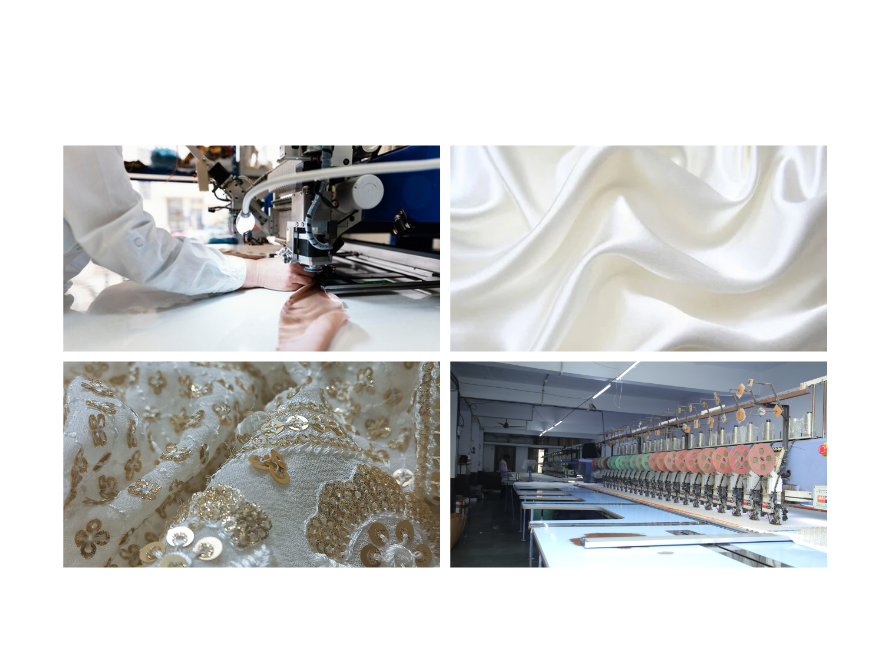



In global fashion manufacturing, few textiles command attention as instantly as Sequin Net Fabric. It exists at the intersection of aspiration and commerce — a fabric category that transforms emotional buying behavior into measurable retail velocity. Whether displayed in a bridal boutique in Mumbai, a couture showroom in Dubai, an eveningwear atelier in Paris, or a fast-fashion export house in Los Angeles, sequin net fabrics communicate celebration before a garment is even stitched. Buyers across continents consistently associate sequined surfaces with status, femininity, glamour, photography culture, and ceremonial dressing. This psychological trigger is precisely why garment manufacturers continue to increase sourcing allocations toward embellished net constructions despite fluctuations in raw material pricing and changing silhouette trends.
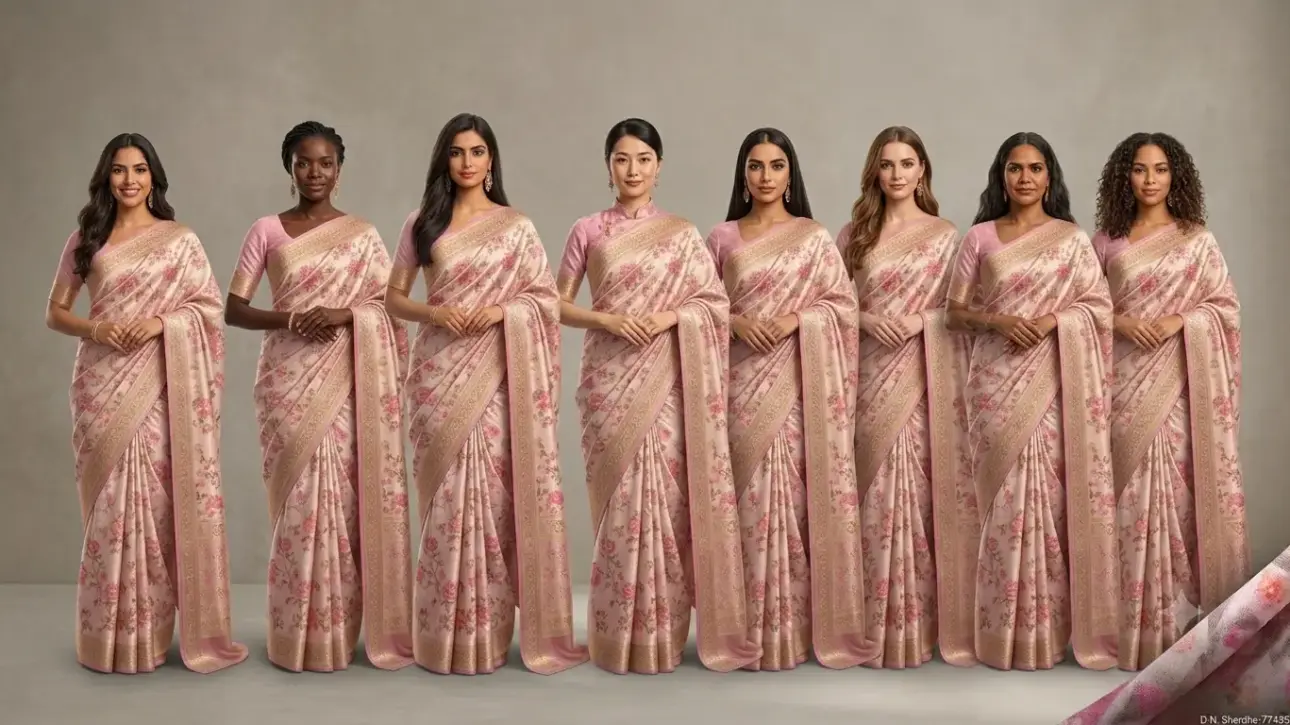
For Indian buyers, particularly those connected to Surat’s textile ecosystem, sequin net fabrics represent more than decorative textiles. They symbolize industrial mastery. Surat has become globally recognized for producing large-scale embroidered fabrics with advanced multi-head embroidery systems, precision sequin attachment technologies, and export-grade finishing capabilities. Madhav Fashion and FabricDiary operate within this manufacturing environment where bridal fabrics are not treated as commodity yardage, but as engineered fashion surfaces designed for brands, wholesalers, exporters, and designer labels worldwide.
Sequin Net Fabric for Bridal, Partywear Designer Dresses
Globally, buyer psychology around sequined fabrics has evolved significantly over the last decade. Previously associated primarily with occasionwear, sequined net textiles are now integrated into resortwear, red-carpet prêt collections, Indo-Western fusion garments, modest fashion, stage costumes, influencer-led capsule collections, and digital-commerce-driven partywear categories. Platforms such as Etsy, Alibaba, IndiaMART, TradeIndia, and Amazon Business have accelerated visibility for embroidered net fabrics among boutique buyers and small-scale labels. Simultaneously, trend forecasting institutions like WGSN and Business of Fashion continue documenting the expansion of “celebration dressing” after prolonged periods of minimalist fashion cycles.
The emotional economy surrounding weddings, nightlife, destination events, social media photography, luxury gifting, and ceremonial dressing ensures consistent global demand for sequin net fabric. Buyers are no longer purchasing fabric alone; they are sourcing visual impact, consumer confidence, and market differentiation.
Fabric characteristics admired in Universal / Global (climate, lifestyle, fashion)
Sequin net fabric succeeds globally because it balances ornamentation with structural lightness. Unlike heavily woven embellished textiles that can become restrictive or climate-sensitive, net-based sequin fabrics maintain breathability while preserving dramatic visual texture. This combination is especially valuable across diverse climate zones ranging from humid South Asia and the Gulf to temperate European wedding markets and tropical Southeast Asian fashion economies.
Technically, premium sequin net fabrics are commonly manufactured using polyester net, nylon mesh, viscose-blended bases, or soft power-net constructions. GSM generally ranges between 80 and 320 depending on embroidery density, sequin size, thread count, and end-use category. Lightweight partywear fabrics often remain within 90–140 GSM, while bridal-grade heavily embroidered variants can exceed 250 GSM with layered sequin applications and cord embroidery integrations.
Modern manufacturing units in Surat increasingly deploy computerized multi-head embroidery machines from brands such as Barudan, Tajima, and Chinese high-speed sequins systems capable of handling dense motif layouts without excessive thread breakage. Common stitch techniques include satin stitch embroidery, chain stitch detailing, cording, laser-cut appliqué attachment, and sequins locking mechanisms designed to improve wash resistance and export durability.
Global buyers admire these fabrics because they align with contemporary lifestyles built around visual storytelling. Consumers today attend destination weddings, luxury cruises, rooftop events, influencer campaigns, fashion galas, and multicultural celebrations where garments must perform exceptionally under photography lighting. Sequins reflect artificial illumination dramatically, making them commercially advantageous for eveningwear brands targeting Instagram-driven purchasing behavior.
Climate adaptability also matters. In Middle Eastern markets, lightweight sequined abaya overlays and kaftans benefit from breathable net structures. In India, lehenga dupattas and saree overlays require drape fluidity during long wedding ceremonies. In Western markets, cocktail dresses require movement and comfort without sacrificing glamour. The net foundation enables all these applications while minimizing garment bulk.
Quality-conscious buyers increasingly evaluate technical parameters such as embroidery alignment consistency, sequin fastening durability, tensile stability, colorfastness, edge curling behavior, shrinkage percentages, and needle penetration accuracy. Reliable manufacturers therefore implement multi-stage QC protocols involving thread tension testing, embroidery density mapping, visual panel inspection, shade matching, and roll-by-roll examination before export dispatch.
Fabric variations/types + Universal / Global fashion influence
The sequin net category has diversified enormously due to global fashion convergence. What was once limited to basic floral embroidery now includes geometric layouts, holographic sequins, tonal matte embellishments, abstract luxury motifs, pearl-infused embroidery, mirror-sequin hybrids, ombré gradients, laser-cut layered effects, and digitally engineered placement designs.
Popular variants include:
- All-over sequin embroidered net
- Multi-sequin scatter net
- Corded sequin mesh
- Bridal heavy embroidery net
- Stretch sequin net
- Velvet-sequin fusion net
- Pearl and sequin combination net
- Laser-cut appliqué sequined tulle
- Transparent illusion sequin net
- Metallic shimmer net fabrics
Global fashion influence plays a decisive role in these developments. Couture influences from Paris and Milan frequently trickle into Indian and Asian manufacturing systems within months. Vogue and Harper’s Bazaar repeatedly showcase embellished transparency, sheer layering, and reflective surfaces in luxury collections, prompting brands worldwide to source adaptable sequin fabrics.
🌍 International — Free sample (only shipping charges apply)
In India, pastel bridal trends accelerated demand for champagne gold, rose gold, ivory, sage green, powder pink, and silver-tone sequined nets. Meanwhile, Gulf buyers continue preferring regal metallic palettes including antique gold, bronze, black-gold, and deep jewel tones. Western eveningwear markets often favor monochromatic black sequins, nude illusion fabrics, and minimal geometric sparkle patterns inspired by red-carpet fashion.
Fashion schools and institutions including FIT, Parsons, NIFT, and Istituto Marangoni increasingly encourage experimentation with textile surfaces, leading emerging designers toward innovative sequin layering and dimensional embroidery techniques. This educational influence eventually shapes commercial demand as graduate designers launch boutique labels and sourcing networks.
Manufacturers capable of rapidly adapting design libraries according to international trend movements gain significant competitive advantages in export markets.
Global demand + specific Universal / Global demand trends
The global market for embellished fashion textiles continues expanding due to the resurgence of occasionwear and experiential luxury consumption. Statista and Textile Today reports consistently indicate growth in weddingwear spending, luxury event dressing, and premium ethnic fusion categories across Asia, North America, Europe, and the Middle East.
Several demand trends currently dominate international sourcing behavior:
1. Destination Wedding Fashion Consumers now purchase multiple outfits for pre-wedding events, receptions, beach ceremonies, and after-parties. This multiplies fabric demand per customer.
2. Modest Luxury Fashion Sequined net fabrics are increasingly used for abayas, kaftans, layered gowns, and modest eveningwear in Gulf and Southeast Asian markets.
3. Influencer-Led Occasionwear Social media visibility has normalized high-glamour dressing even for smaller events, increasing demand for affordable embellished garments.
4. Small-Batch Designer Manufacturing Boutique labels prefer low MOQ sourcing to test collections rapidly before scaling production.
5. Fast Fashion Luxury Simulation Retailers seek fabrics that mimic couture aesthetics while maintaining commercial pricing structures.
Buyers sourcing from India frequently compare suppliers through Alibaba, IndiaMART, TradeIndia, and Fibre2Fashion directories before requesting swatches and compliance documents. Common sourcing concerns include embroidery consistency, export packaging, timely dispatch, customs documentation accuracy, and shade continuity across repeat orders.
One emerging trend is the increased demand for lighter sequined fabrics suitable for e-commerce shipping. Brands recognize that lower garment weight reduces logistics costs without compromising visual richness.
Bridal wear relevance (Universal / Global traditions & customs)
Bridalwear remains the single largest commercial driver for premium sequin net fabric globally. Weddings represent emotional spending environments where consumers willingly allocate higher budgets toward embellishment-heavy garments associated with memory creation and social visibility.
In India, sequined net fabrics dominate lehengas, sarees, dupattas, shararas, gowns, and Indo-Western bridal ensembles. North Indian weddings particularly favor heavily embroidered sequin surfaces layered with zari, mirror work, and bead detailing. Brides increasingly seek fabrics that balance grandeur with wearable comfort during extended ceremonies.
In the Middle East, embellished net fabrics are extensively used in luxury jalabiyas, bridal kaftans, and reception gowns. In Western markets, transparent sequin overlays frequently appear in bridal veils, illusion sleeves, fitted gowns, and reception dresses.
Cultural psychology strongly influences color demand. Indian bridal markets still generate significant demand for red, maroon, wine, and gold sequined fabrics, though contemporary pastel palettes continue growing. Western bridal markets lean toward ivory, champagne, nude, silver, and pearlized embellishments. African ceremonial fashion often embraces vibrant jewel tones with dense embroidery density and bold reflective surfaces.
A bridal boutique in London catering to South Asian diaspora communities may source pastel sequin net from Surat for engagement wear, while a Dubai wholesaler may prioritize heavily embellished black-and-gold luxury evening fabrics for Ramadan and wedding seasons. These nuanced demand patterns explain why exporters require diversified design inventories.
Wedding wear applications + outfit names used in Universal / Global
Sequin net fabric appears across virtually every weddingwear silhouette category worldwide because of its adaptability, drape behavior, and visual scalability.
Popular applications include:
- Bridal lehengas
- Reception gowns
- Sarees
- Cocktail sarees
- Shararas
- Gararas
- Kaftans
- Evening gowns
- Mermaid dresses
- Ball gowns
- Bridesmaid dresses
- Mother-of-the-bride ensembles
- Cape gowns
- Indo-Western fusion outfits
- Engagement dresses
- Nikah outfits
- Sangeet wear
- Prom dresses
- Couture overlays
In India, manufacturers frequently combine sequined net with satin, silk, organza, georgette, velvet, and crepe bases to create layered bridal aesthetics. Gulf markets often prefer flowing silhouettes with dramatic sleeve detailing and reflective embellishments visible under event lighting.
A notable sourcing pattern among European boutiques involves purchasing sequined net as overlay material for minimalist gown structures. This allows designers to maintain couture aesthetics while controlling garment weight and production costs.
Case studies from export houses in Surat reveal that buyers increasingly request coordinated family wedding collections using matching sequined fabrics across bridesmaid dresses, bridal dupattas, and men’s ceremonial accents. Such coordinated sourcing improves average order value for manufacturers.
Partywear/evening wear demand + cultural examples (Universal / Global)
The rise of nightlife culture, destination celebrations, luxury hospitality events, and influencer-led fashion consumption has dramatically expanded the commercial relevance of sequin net fabrics in partywear categories.
In cities such as Mumbai, Dubai, Bangkok, London, Lagos, and New York, consumers increasingly purchase garments specifically for photography-centric social occasions. Eveningwear is no longer seasonal alone; it has become experience-driven fashion.
Sequined net fabrics dominate categories such as:
- Cocktail dresses
- Clubwear
- Red-carpet gowns
- Concert outfits
- Celebrity styling garments
- Stage costumes
- Fashion-week collections
- Luxury festivewear
- Holiday partywear
Cultural examples vary significantly. Indian festivewear markets spike during Diwali, Eid, wedding seasons, and New Year celebrations. Gulf markets experience increased demand around Ramadan evenings and wedding festivities. Western markets generate strong sequin demand during holiday retail cycles and prom seasons.
Fashion media platforms including BOF and Vogue frequently highlight the return of maximalist dressing after prolonged minimalist trends. Consumers increasingly seek garments that project optimism, celebration, and visual drama. Sequined fabrics naturally benefit from this emotional shift.
Manufacturers serving this category must prioritize flexibility because partywear trends evolve rapidly. Boutique brands may require only 50–200 meters for trend testing before scaling successful designs into larger production runs.
Garment manufacturing usage (brands, factories, wholesalers in Universal / Global)
For garment manufacturers, sequin net fabric functions as a high-margin material capable of elevating perceived garment value substantially. A relatively affordable base garment can achieve luxury positioning once layered with premium sequined embroidery.
Factories worldwide utilize these fabrics for:
- Export apparel manufacturing
- Occasionwear programs
- Bridal capsule collections
- Boutique private labels
- Fast-fashion premium lines
- Celebrity styling inventories
Manufacturing buyers often evaluate fabrics through operational metrics rather than aesthetics alone. They examine cutting efficiency, embroidery stability during stitching, defect percentages, fabric wastage rates, and compatibility with industrial sewing systems.
Large-scale buyers in Turkey, Bangladesh, Vietnam, and India commonly source sequined fabrics from Surat because of design variety and scalable production infrastructure. Wholesale distributors then redistribute materials across regional markets.
A recurring issue for global buyers is inconsistency between sampling and production lots. Reliable exporters therefore maintain strict shade-control systems and archived embroidery mapping for repeat orders. Advanced factories also use barcode tracking and digital production monitoring to reduce shipment discrepancies.
Designer + boutique preferences in Universal / Global
Independent designers and boutique labels often approach sequin net fabrics differently from mass manufacturers. Their priority is exclusivity, narrative identity, and visual originality rather than purely price-driven procurement.
Designers increasingly request:
- Limited-edition embroidery layouts
- Custom sequin colors
- Unique motif scaling
- Transparent base experimentation
- Hand-touch finishing effects
- Sustainable embellishment alternatives
Boutiques serving multicultural markets particularly value fabrics capable of crossing aesthetic boundaries. A sequined net that works for an Indian engagement outfit may also suit a Western reception gown or Middle Eastern evening kaftan with slight silhouette modifications.
FabricDiary’s smaller quantity support becomes especially relevant in this segment because emerging labels often cannot commit to container-scale purchasing initially. Swatch development, color experimentation, and design prototyping play major roles in boutique sourcing psychology.
Fashion anthropology also influences boutique demand. Consumers increasingly seek garments that merge heritage craftsmanship with global styling sensibilities. Sequined net fabrics manufactured in Surat often satisfy this requirement because they blend Indian embroidery expertise with internationally adaptable aesthetics.
B2B sourcing behavior, import habits, bulk-buy logic (Universal / Global)
Global B2B buyers today operate within highly analytical sourcing environments. Purchasing decisions are shaped not only by aesthetics, but also by logistics reliability, lead-time predictability, compliance standards, digital communication responsiveness, and supplier transparency.
Typical buyer journey:
- Discovery via Alibaba, IndiaMART, TradeIndia, exhibitions, or referrals
- Swatch request
- Video quality inspection
- MOQ negotiation
- Sampling order
- Compliance verification
- Bulk production approval
- Shipment tracking
- Repeat-order evaluation
Bulk buyers commonly prioritize:
- Competitive landed cost
- Stable repeat quality
- Export packaging reliability
- Embroidery precision
- MOQ flexibility
- Fast communication
- Timely production updates
Importers frequently struggle with delayed shipments, inconsistent dye lots, excessive defect percentages, weak packaging, and poor documentation support. Established exporters reduce these risks through structured QC systems, production transparency, and standardized export procedures.
Many buyers now request live factory videos, digital shade approvals, embroidery close-ups, and real-time production tracking before finalizing larger commitments.
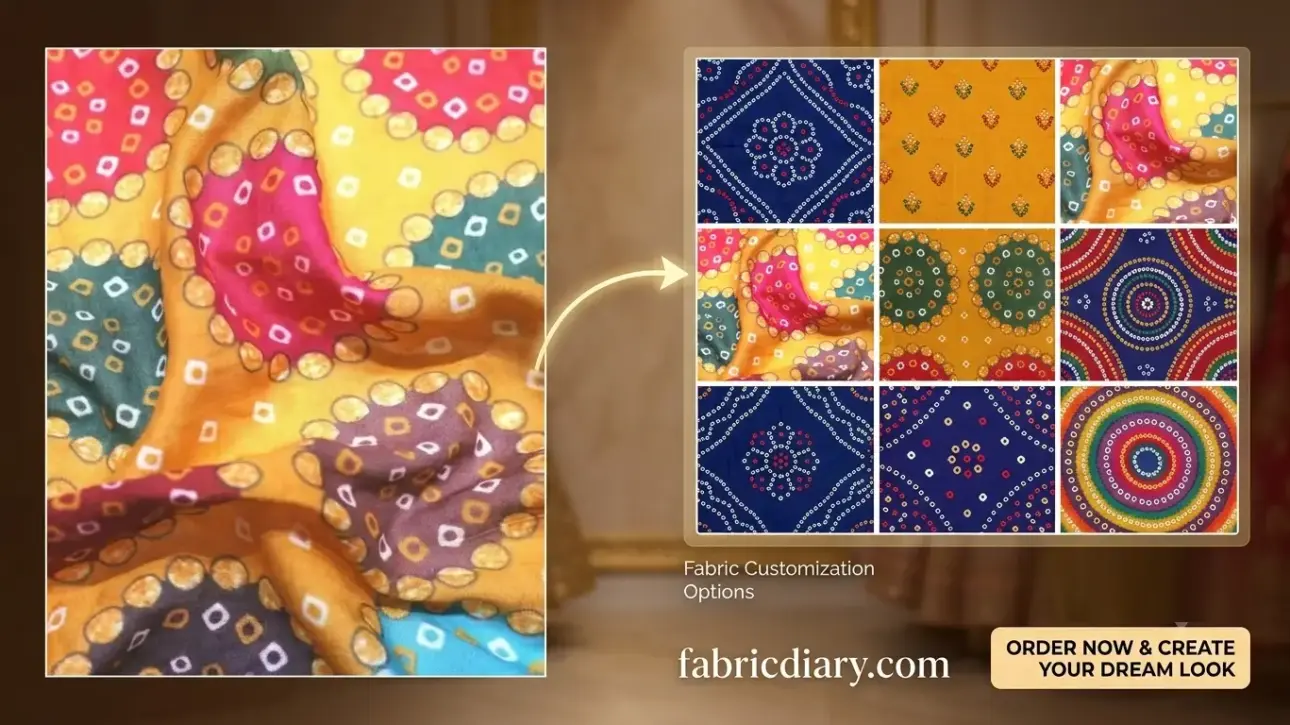
Custom manufacturing, MOQ, export factors, reliability markers
Customization has become central to modern textile exporting. Buyers increasingly demand differentiation because fashion markets are saturated with repetitive catalog designs.
Custom manufacturing capabilities may include:
- Exclusive embroidery patterns
- Brand-specific color development
- Custom sequin sizing
- Fabric base modifications
- Width adjustments
- Embroidery density customization
- Logo integration
- Sampling support
Export-ready manufacturers must also demonstrate operational reliability through:
- Fabric testing protocols
- Needle detection systems
- Colorfastness reports
- Shrinkage testing
- Roll inspection systems
- International packaging standards
- HS code accuracy
- Commercial invoice precision
- Compliance documentation
MOQ expectations vary significantly. Large wholesalers may order thousands of meters, while boutique labels require smaller experimental runs. Flexible MOQ structures increasingly determine supplier competitiveness in modern global fashion sourcing.
Shipping timelines also matter enormously. Buyers operating around wedding seasons or fashion launch calendars require predictable dispatch schedules. Air shipment support for urgent sampling and sea freight optimization for bulk orders both influence sourcing decisions.
Why FabricDiary & Madhav Fashion are ideal for Universal / Global buyers
FabricDiary and Madhav Fashion occupy a strategically important position within Surat’s globally recognized textile ecosystem. Their advantage lies in balancing boutique accessibility with industrial-scale manufacturing strength — a combination increasingly valued by modern international buyers.
FabricDiary serves designers, sampling teams, boutique labels, and emerging brands seeking smaller quantities, swatch flexibility, and curated access to premium embroidered fabrics. This is especially useful for businesses testing new markets, developing bridal capsules, or building occasionwear collections without committing to excessively large inventory risks.
Madhav Fashion, based in Surat, supports larger-scale garment manufacturers, wholesalers, exporters, and global sourcing companies with production scalability, factory pricing structures, embroidery specialization, and export-oriented manufacturing systems. Their operational environment aligns with the needs of buyers seeking consistency across repeat bulk orders.
The company’s positioning becomes particularly relevant in a global market where buyers increasingly seek:
- Low MOQ flexibility
- Faster development cycles
- Reliable export communication
- Diverse embroidery libraries
- Scalable production
- Competitive sourcing economics
- Consistent quality control
In today’s fashion economy, sequin net fabric is no longer simply decorative material. It is a commercial storytelling tool used by bridalwear brands, luxury boutiques, eveningwear manufacturers, and global designers to capture visibility in emotionally charged fashion categories. Suppliers capable of combining technical expertise, cultural understanding, and export reliability will continue defining the future of embellished textile sourcing worldwide.
FAQs
What is the typical import process for Sequin Net Fabric in global markets?
Most buyers begin with swatch approvals and sampling before placing bulk orders. Exporters generally provide commercial invoices, packing lists, HS codes, and shipping documentation for customs clearance. Sea freight is common for bulk orders, while air shipping is preferred for urgent samples.
What are the average shipping timelines for international buyers?
Sampling orders usually ship within a few days, while bulk production timelines depend on embroidery complexity and order volume. International deliveries commonly range from 7–30 days depending on destination country and freight mode.
What MOQ options are available for buyers?
FabricDiary supports smaller quantities suitable for designers and boutique labels, while Madhav Fashion handles larger wholesale and manufacturing orders with scalable production capacity.
Can buyers request fabric samples before placing bulk orders?
Yes. Swatch cards, embroidery panels, and sample yardage are commonly provided for quality evaluation, color matching, and garment prototyping before production approval.
What types of Sequin Net Fabrics are most popular globally?
Popular categories include bridal heavy embroidery net, stretch sequin net, all-over sequin mesh, pearl-sequin combinations, geometric sequined tulles, and lightweight partywear nets.
What payment terms are commonly used in textile exports?
International textile transactions often use advance payment structures, partial deposits with balance before dispatch, LC arrangements for larger orders, or mutually agreed B2B payment terms.
Can custom embroidery and exclusive designs be developed?
Yes. Many manufacturers offer customized embroidery layouts, sequin colors, motif scaling, fabric bases, and exclusive sampling support for brands and designers.
Thanks for reading this article and exploring FabricDiary — one of the world’s leading B2B designer fabric platforms featuring thousands of ready-to-source collections for bridalwear, partywear, couture fashion, and garment manufacturing. We regularly publish detailed insights on fabric trends, embroidery techniques, sourcing strategies, and global textile markets to help designers, wholesalers, boutiques, and apparel businesses make smarter buying decisions. For complete articles, sourcing support, fabric inquiries, or bulk order assistance, feel free to contact us at: info.fabricdiary@gmail.com
Top Allover Sequin Net Fabric Manufacturer & Supplier
Explore premium allover sequin net fabrics crafted for bridalwear, couture fashion, and designer garments with export-quality production, low MOQ, and worldwide shipping support.
Leading Sequin Embroidered Net Fabric Exporter for Global Buyers
Discover sequin embroidered net fabrics designed for fashion brands, garment manufacturers, and boutiques seeking trend-driven collections with reliable international supply capability.
Largest Sequin Net Fabric Manufacturer for Bridal & Partywear
Source high-quality sequin net fabrics developed using advanced embroidery machinery, precise finishing standards, and scalable production for global fashion businesses.
Trusted Sequin Net Fabric Supplier in Asia
Find premium sequin net fabrics for bridal gowns, eveningwear, lehengas, and couture dresses with factory-direct pricing and dependable export logistics worldwide.
Premium Zari Work Sequin Net Fabric Export House
Browse luxury zari work sequin net fabrics tailored for weddingwear, designer collections, and fashion labels seeking elegant detailing and export-ready quality assurance.
Thread Work Sequin Net Fabric Manufacturer & Exporter
Choose thread work sequin net fabrics crafted for boutiques, couture designers, and apparel manufacturers requiring refined embroidery and globally competitive sourcing solutions.
Asia’s Trusted Cording Work Sequin Net Fabric Supplier
Explore cording work sequin net fabrics developed for bridal couture, luxury partywear, and premium occasionwear collections with worldwide delivery support.
Printed Sequin Net Fabric Manufacturer for Fashion Industry
Discover printed sequin net fabrics combining contemporary prints with embroidery artistry for garment exporters, designers, and trend-focused fashion manufacturers.
Best Jacquard Sequin Net Fabric Exporter for Global Markets
Source jacquard-inspired sequin net fabrics suitable for bridalwear, festive collections, and designer apparel manufacturing with consistent quality and fast export dispatch.
Asia’s Largest Sequin Net Fabric Export Company
Access a wide collection of sequin net fabrics with large-scale manufacturing capability, secure packaging standards, and reliable international shipping for bulk buyers.
Premium Sequin Net Fabric Manufacturer for Designer Dresses
Find export-quality sequin net fabrics featuring elegant embroidery, soft net textures, and fashion-forward patterns ideal for luxury dresses and occasionwear production.
Shop Sequin Net Fabric Online for Bridal & Partywear
Shop premium sequin net fabrics online at wholesale pricing for boutiques, fashion brands, designers, and garment manufacturers seeking export-ready fabric collections.
Buy Designer Sequin Net Fabrics Online at Wholesale Rates
Explore designer sequin net fabrics online developed for bridalwear, evening gowns, and bulk apparel production with customization support and global shipping options.
Designer Sequin Net Fabrics for Global Fashion Brands
Purchase luxury designer sequin net fabrics for couture fashion, weddingwear collections, and premium garment manufacturing with low MOQ and dependable export support.