


Fashion brands are increasingly looking for fabrics that can bring colour, movement and print detail into a garment without making the design difficult to produce. Russian Silk Printed Fabric is one option buyers may consider when the garment needs a smooth printed surface and a flowing fashion look.
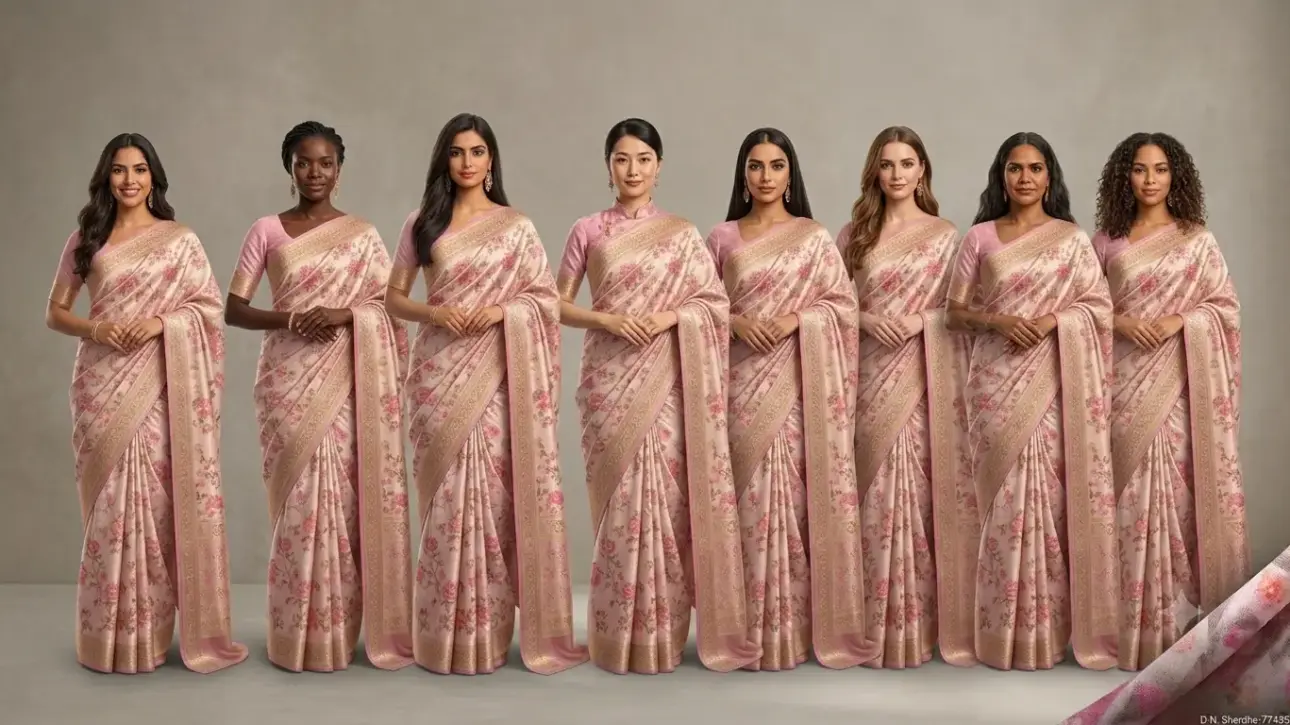
For a manufacturer and exporter such as Madhav Fashion, the important part of a printed fabric trend is not only how the design looks on a screen. A print also has to work on the selected fabric, remain clear at the required scale and fit the production plan of the buyer.
Russian Silk Printed Fabric Trends: Prints, Colours & Garment Ideas for Fashion Brands
Madhav Fashion works with fashion and textile buyers looking for printed and embroidered fabrics for different markets. From fabric selection and print development to bulk production, the practical goal is to connect the visual direction of a design with a fabric that can actually be produced for the intended garment.
Russian Silk is a trade name used for different fabric qualities in the market, so buyers should confirm the actual fibre composition and construction of the quality they are considering. The final print appearance can also change according to the fabric surface and printing process.
This makes trend planning important. A good print is not simply a fashionable artwork. It should also suit the garment, target customer, colour direction, order quantity and production method.
What Is Trending in Russian Silk Printed Fabric?
Print trends change quickly, but some design directions continue to work across different fashion collections.
For Russian Silk Printed Fabric, buyers can explore:
- Floral and botanical prints
- Abstract artwork
- Small repeated motifs
- Large statement motifs
- Geometric patterns
- Soft conversational prints
- Traditional-inspired motifs with a modern layout
- Watercolour-style artwork
- Minimal prints
- Rich allover patterns
- Border and placement designs for selected garments
The right choice depends on the collection rather than on the print style alone.
A boutique collection may need a smaller number of distinctive prints, while a larger fashion programme may require several coordinated colourways from one artwork family.
Print Styles Fashion Brands Can Explore
Floral and Botanical Prints
Floral prints remain useful because they can be adapted to many garment categories.
Small flowers can create a lighter everyday appearance. Larger flowers can become the main visual element of a dress, kurti or occasion garment.
For production, the scale of the floral artwork matters. A motif that looks balanced on a computer screen may appear too large or too small after it is repeated across the actual fabric width.
Abstract and Artistic Prints
Abstract designs allow brands to create a more contemporary collection without depending on a recognisable floral or geometric theme.
Brush effects, flowing shapes, irregular forms and layered colour areas can work well when the artwork is prepared with the fabric surface in mind.
These designs are particularly useful when the brand wants the print itself to become the main feature of the garment.
Small Repeat Prints
Small repeats can be useful for commercial collections where the buyer wants an easy-to-style fabric.
They can work across:
- Kurtis
- Tops
- Shirts
- Dresses
- Co-ord pieces
- Scarves
- Dupattas
- Other fashion garments
The repeat size should be reviewed before bulk production because the same artwork can create a very different appearance when its scale changes.
Large Motif Prints
Large motifs can give a stronger fashion look.
They are often considered when the garment has enough surface area to display the artwork properly. Dresses, gowns and selected occasion garments can provide space for larger print elements.
The cutting plan should be considered at the development stage. If the main motif needs to appear in a specific area of the garment, an allover repeat may not be the best solution.
Colour Directions for Russian Silk Prints
Colour selection is one of the easiest ways to change the character of the same print.
A floral artwork, for example, can look completely different in a soft pastel palette compared with a deep, high-contrast colourway.
Fashion brands can explore several broad directions.
Soft and light colours can create a calm and clean appearance. These may suit everyday fashion and spring or summer-oriented collections.
Deep colours can give a stronger and richer visual effect. They may be considered for eveningwear, occasion fashion or collections built around darker tones.
Earth-inspired colours can provide a more natural appearance and can work well with botanical and abstract artwork.
Bright colour combinations can make the print more noticeable and may suit younger or more expressive fashion collections.
Rather than selecting colours only from a digital screen, buyers should approve the actual printed sample before bulk production.
How Designers Can Build a Russian Silk Print Collection
A collection does not always need completely different artwork for every fabric.
One practical approach is to develop a small group of related designs and then create different colourways or scales.
For example, a fashion brand could build one collection around:
- One floral artwork
- One abstract artwork
- One small repeat
- One larger statement print
Each artwork could then be developed in selected colours that work together.
This gives the collection a common visual identity while still providing enough variety for different garments.
Russian Silk Printed Fabric Garment Ideas
The final garment should influence the print decision from the beginning.
Dresses
Dresses provide a large surface for printed artwork. Depending on the fabric quality, buyers can consider small repeats, larger florals or flowing abstract patterns.
The selected Russian Silk quality should first be checked for the required drape, surface and weight for the intended design.
Kurtis and Indo-Western Wear
Printed Russian Silk can be considered for kurtis and Indo-Western styles where the buyer wants a visible fashion print.
Medium-scale motifs can be useful when the design needs to remain noticeable without overwhelming the garment.
Sarees and Dupattas
For sarees and dupattas, the print needs to work across a long fabric length.
Allover prints are one option, while border or placement development may be more suitable when the design has a defined edge or focal area.
Width, transparency, drape and print appearance should be checked before production.
Tops and Shirts
Smaller repeats, abstract artwork and controlled geometric prints can be considered for tops and shirts.
For these garments, print scale becomes particularly important because the available front and back panels are smaller than those of a full-length dress.
Co-Ord Sets
Co-ord collections can benefit from a print that looks balanced on both smaller and larger garment panels.
A repeat that works on a shirt may not automatically look right on trousers or skirts. The complete garment layout should therefore be considered during development.
Allover Print or Placement Print?
This is an important design decision before sending artwork for production.
Allover printing is suitable when the design is intended to continue across the fabric. Repeating florals, geometric patterns and abstract artwork are common examples.
Placement printing is different. The artwork is designed for a specific position, such as a front panel, border or defined garment area.
If a brand needs an engineered design, it should be discussed during the development stage rather than treated as a standard allover print.
For buyers working with Madhav Fashion, sharing the intended garment and artwork together can make the development discussion clearer.
Digital Printing and Bulk Print Development
Digital printing can be useful when a brand is developing artwork, checking colours or working with smaller development quantities.
For larger approved production, a bulk printing route may be more appropriate depending on the fabric, artwork, quantity and production setup.
The important point is that sample printing and bulk printing serve different production needs.
A buyer should not approve bulk production simply because an artwork looks good on a digital file. The printed sample should be checked for:
- Colour appearance
- Motif size
- Repeat
- Sharpness
- Fabric surface
- Overall garment suitability
Once the sample is approved, the production reference should be kept for future repeat orders where possible.
How Brands Can Use Print Trends Without Following Every Trend
Not every trend needs to become part of a commercial collection.
A better approach is to ask:
- Does this print suit our customer?
- Does the colour fit our collection?
- Can the artwork work on our target garment?
- Is the required print repeat practical?
- Can the fabric and print be produced consistently?
- Does the design still have value beyond one season?
This helps brands separate short-term visual trends from designs that can actually support a product range.
Custom Russian Silk Printed Fabric for Fashion Collections
When a ready-made print does not match a collection, brands can discuss custom development.
Custom development may involve:
- Buyer-supplied artwork
- New artwork development
- Colour changes
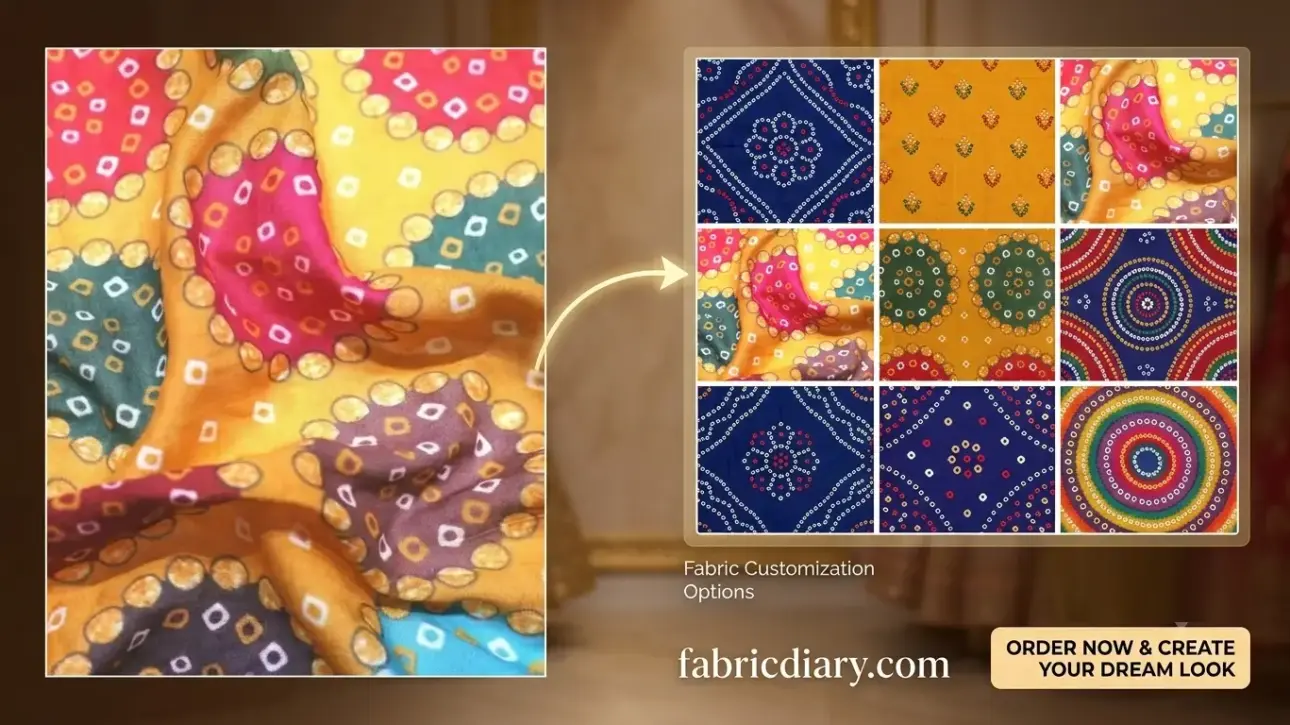
- Motif scaling
- Repeat development
- Placement layouts
- Border concepts
- Sample approval
- Bulk production planning
Customisation should be agreed before production begins. Once the artwork, colourway, fabric quality and production details are approved, the bulk order can be produced against those references.
This is especially useful for private labels and fashion brands that want a print connected to their own collection rather than using a general market design.
What International Buyers Should Consider
International buyers often need more than an attractive print.
Before placing a bulk requirement, buyers should confirm:
- Actual fibre composition
- Fabric construction
- Available width
- Fabric weight where required
- Print method
- Print repeat
- Colour reference
- Sample approval process
- Packing requirements
- Labelling requirements where applicable
- Shipping and export documentation requirements
- Bulk quantity
- Repeat-order requirements
Exact specifications should always be confirmed for the selected fabric quality and order.
For buyers sourcing from India, it is also useful to share the intended market and garment category at the beginning of the enquiry. This gives the manufacturer better context for discussing the fabric and print.
Why Print Development Should Start With the Garment
A common mistake is choosing the artwork first and thinking about the garment later.
The better process is to connect the two.
A large floral print may work beautifully on a flowing dress but may need a different scale for a fitted top.
A border print may be suitable for a saree or dupatta but may require a different layout for a kurti.
A small repeat may work well across a shirt and trouser set but may not create enough visual impact for an occasion dress.
The garment therefore helps determine the right artwork scale, repeat and print direction.
Working With a Manufacturer for Bulk Printed Fabric
For a bulk buyer, the manufacturing discussion should move from inspiration to clear production references.
A practical development flow can be:
Design idea → fabric selection → artwork review → print development → sample → buyer approval → bulk production → quality checking → dispatch
This process helps reduce confusion between the original design idea and the final production requirement.
For repeat orders, keeping the approved fabric and print references can also make future discussions easier.
Russian Silk Printed Fabric Trends: A Practical Takeaway
Russian Silk Printed Fabric can give fashion brands many design possibilities, but the strongest result comes when print, colour, fabric and garment are planned together.
Floral, abstract, geometric, small-repeat and larger statement prints can all be explored. The choice should depend on the collection and customer rather than on a trend alone.
For brands developing their own prints, custom artwork and colour development can provide more control over the final collection. For bulk buyers, sample approval and clear production references are especially important.
Madhav Fashion approaches printed fabric from a manufacturing and production perspective, helping B2B buyers discuss fabric selection, print development and bulk requirements based on their actual product needs.
If your requirement is for Russian Silk Printed Fabric for dresses, kurtis, sarees, dupattas, co-ords or another fashion category, the most useful starting point is to share the fabric requirement, artwork or print reference, intended garment and approximate quantity.
Frequently Asked Questions
What prints work well on Russian Silk?
Floral, botanical, abstract, geometric, small-repeat and larger statement prints can all be considered. The best option depends on the garment and selected fabric quality.
Can Russian Silk Printed Fabric be custom printed?
Yes, suitable qualities can be developed with custom artwork, colourways, repeat sizes or placement requirements, depending on the production setup.
Is digital printing suitable for Russian Silk?
Digital printing can be useful for artwork development, sampling and suitable smaller production requirements. The final method depends on the fabric, artwork and order.
Can the same print be produced in different colours?
A design can often be developed into different colourways. Each colourway should be reviewed and approved before bulk production.
Is allover printing better than placement printing?
Neither is universally better. Allover printing suits continuous repeat designs, while placement printing is more suitable for defined motifs, borders or engineered layouts.
Can fashion brands send their own artwork?
Yes, buyers can discuss their own artwork for custom development. The artwork should be reviewed for repeat, scale, colour and suitability for the selected fabric.
Can garment manufacturers buy Russian Silk Printed Fabric in bulk?
Yes. Bulk buyers can discuss the required fabric quality, print, quantity and production requirements with the manufacturer.
What should I send for a custom print enquiry?
Ideally, send the artwork or print reference, required fabric, intended garment, colour preference and approximate quantity.
Should I approve a sample before bulk production?
Yes. Sample approval allows the buyer to check the actual fabric and printed result before committing to bulk production.
Is Russian Silk the same as natural silk?
Not necessarily. “Russian Silk” is a trade name used for different fabric qualities. Buyers should confirm the actual fibre composition of the specific quality.
Related Fabric Categories
For buyers comparing printed fabric options, other fabric categories may also be relevant depending on the required garment and fabric behaviour:
- Pure Cambric Cotton Printed Fabric
- Pure Mull Cotton Printed Fabric
- Pure Muslin Printed Fabric
- Pure Georgette Printed Fabric
- Pure Chinon Printed Fabric
- Position Printed Fabric
- Custom Printed Fabric
- Printed Fabric
- Digital Printed Fabric
Discuss Your Russian Silk Printed Fabric Requirement
For wholesale, export or custom production requirements, share your artwork or design reference along with the required fabric, garment category and approximate quantity.
This gives the manufacturing team a practical starting point for discussing the right development and production route.