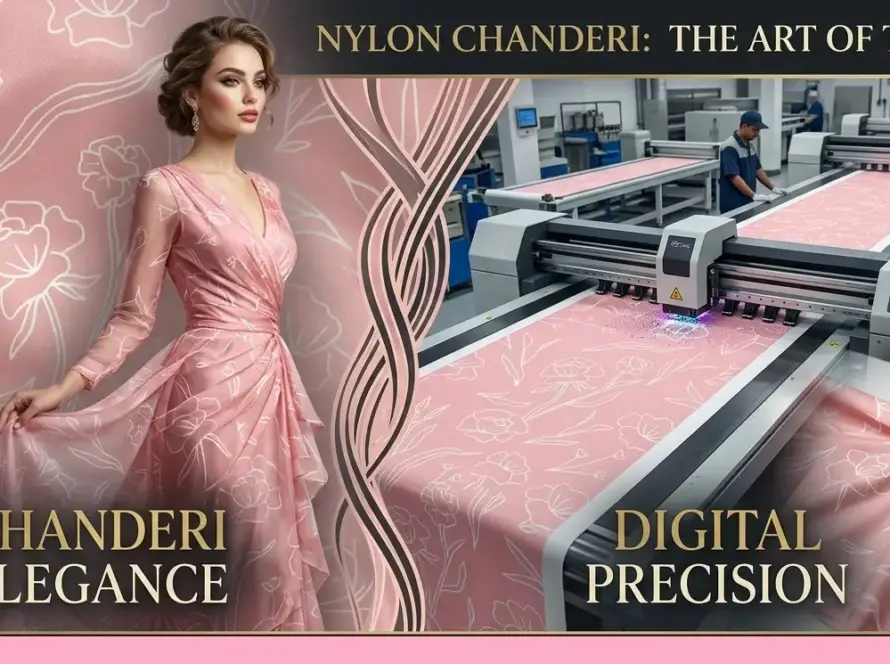



When fashion brands, garment manufacturers, wholesalers, and sourcing companies look for Pure German Chiffon Printed Fabric, the requirement is rarely limited to finding a ready-made fabric design. B2B buyers often need a manufacturing partner who can support print development, colour matching, sampling, bulk production, quality checking, and repeat orders.
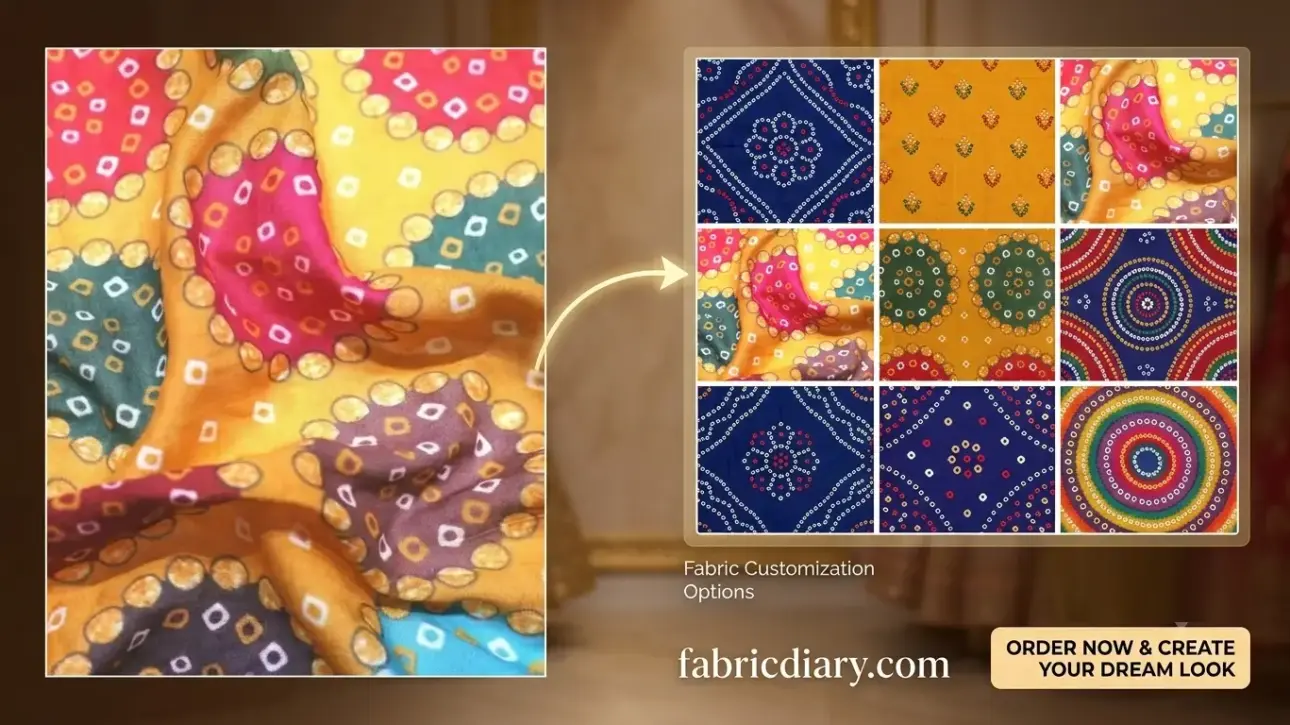
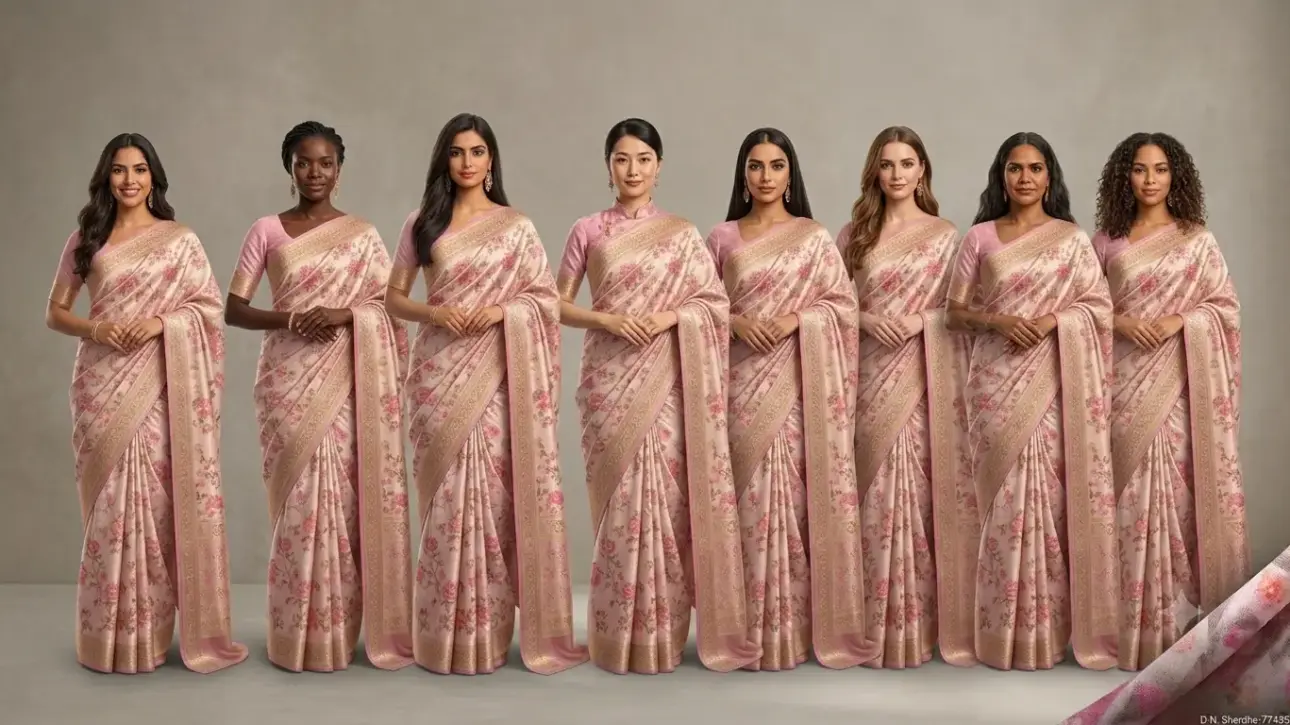
Madhav Fashion serves this manufacturing and sourcing requirement from India with a focus on printed fabrics, embroidery fabrics, custom fabric development, and B2B textile supply.
Cotton Embroidery Fabric: A Timeless Classic in the World of Textiles
For buyers sourcing printed chiffon fabric from India, the manufacturing process is important because the final fabric must work not only as a visual product but also as a commercially usable material for garments, scarves, sarees, dupattas, dresses, overlays, and other fashion applications.
The right supplier should therefore understand three things together:
- Fabric construction and finishing
- Print development and colour execution
- Commercial requirements for sampling and bulk production
This makes Pure German Chiffon Printed Fabric manufacturing different from simply purchasing a printed textile from a retail marketplace.
Why B2B Buyers Source Printed Chiffon from Manufacturers
Printed chiffon has a strong place in fashion because its lightweight appearance, flowing drape, and surface-print potential make it suitable for many types of collections.
However, fashion brands buying in commercial quantities usually have requirements that cannot always be fulfilled through ready-stock fabric.
A buyer may need:
- A specific print developed from an original artwork
- A particular colour palette for a seasonal collection
- Placement or border artwork
- Repeated motifs across a fabric width
- A coordinated print for multiple garments
- Sampling before bulk production
- Consistent colour reproduction in repeat orders
- Fabric supplied according to an approved specification
- Bulk quantities for wholesale or garment production
- Export-ready packing and documentation
For this reason, working directly with a printed chiffon fabric manufacturer can provide greater control over the development process.
Instead of choosing only from available designs, buyers can discuss the fabric, artwork, colours, printing requirements, sampling, and production expectations before placing a larger order.
Madhav Fashion as a Printed Fabric Manufacturing Partner
Madhav Fashion is positioned as an India-based manufacturer and exporter serving buyers looking for fashion fabrics, including printed and embroidery fabric categories.
For B2B customers, the value of a manufacturing relationship is not simply the ability to supply fabric. It is the ability to coordinate the stages between an initial concept and a production-ready textile.
A typical development can involve:
Design concept → Fabric selection → Artwork preparation → Colour development → Sampling → Approval → Bulk production → Quality inspection → Packing → Shipment
This workflow is particularly useful for brands developing private collections, wholesalers preparing seasonal ranges, and garment manufacturers requiring coordinated printed fabrics.
The exact production process can vary depending on the selected fabric construction, print method, artwork, quantity, and finishing requirements.
Pure German Chiffon Printed Fabric for Custom Development
A major B2B advantage of printed chiffon is its ability to carry different visual directions.
Depending on the project, buyers may work with:
- Floral artwork
- Botanical motifs
- Abstract patterns
- Geometric designs
- Paisley-inspired artwork
- Traditional motifs
- Contemporary digital artwork
- Minimal repeating patterns
- Border designs
- Placement artwork
- Seasonal colour stories
- Brand-specific prints
The purpose of customization is not simply to make the fabric look different.
For a commercial fashion collection, the print needs to support the intended garment, target market, price positioning, colour story, and production requirements.
A designer may therefore begin with an artwork while the manufacturer helps translate that artwork into a printable textile design.
Custom Printed Chiffon Fabric Manufacturing Process
- Understanding the Buyer’s Requirement
The first stage is defining what the buyer actually needs.
A useful B2B enquiry normally includes information such as:
- Fabric category
- Intended application
- Artwork or design reference
- Preferred colours
- Print style
- Approximate quantity
- Sampling requirement
- Target market
- Required delivery schedule
- Packing requirements
- Shipping destination
Providing these details early helps the manufacturer understand the project more accurately.
For example, a buyer developing printed chiffon for dresses may have different requirements from a buyer developing fabric for scarves or sarees.
- Fabric Selection
Before printing, the appropriate fabric base needs to be selected.
The term “chiffon” describes a lightweight fabric category, but commercial fabrics can differ in fibre composition, construction, finishing, surface appearance, and performance.
Therefore, buyers should not select a fabric only by name.
The manufacturer and buyer should establish the actual fabric specification required for the project.
Important considerations can include:
- Fibre composition
- Fabric construction
- Surface appearance
- Sheerness
- Drape
- Hand feel
- Width
- Weight
- Finishing
- Intended garment use
The exact specification should be confirmed against the sample or approved technical details rather than assumed from the fabric name.
- Artwork Preparation
Once the fabric requirement is established, artwork can be prepared for textile printing.
This stage can be especially important when the buyer supplies an original design.
The artwork may need adjustment for:
- Repeat size
- Motif positioning
- Scale
- Colour separation
- Print boundaries
- Border placement
- Fabric width
- Overall pattern balance
A print that looks attractive on a computer screen may need modification before it works effectively on fabric.
The goal is to ensure that the artwork remains commercially attractive when translated onto the actual textile surface.
- Colour Development and Matching
Colour is one of the most important aspects of printed fabric development.
A buyer may have a particular seasonal palette, brand colour, physical swatch, artwork reference, or digital colour reference.
During development, the objective is to bring the printed fabric as close as practical to the approved reference.
For fashion collections, colour consistency becomes even more important when several fabrics or production batches need to work together.
Buyers should therefore approve a physical sample where appropriate rather than relying only on a screen image.
- Sampling Before Bulk Production
Sampling provides an important checkpoint between design development and commercial production.
A sample allows the buyer to evaluate factors such as:
- Print appearance
- Colour balance
- Motif scale
- Pattern repeat
- Fabric hand feel
- Drape
- Visual density
- Overall suitability for the intended application
If changes are required, they can be discussed before bulk production.
For custom orders, this step can reduce misunderstandings and give both buyer and manufacturer a clearer production reference.
- Bulk Printed Chiffon Production
After the design and fabric specifications are approved, the project can move into bulk production.
The production process depends on the selected fabric, print technology, design complexity, order quantity, and required finish.
For B2B buyers, bulk production should be managed against an approved specification.
This is particularly important for brands planning repeat orders.
A repeatable reference helps the manufacturer and buyer maintain greater consistency from one production cycle to another.
- Quality Inspection
Quality control is an important part of commercial textile manufacturing.
For printed chiffon, inspection can consider several characteristics depending on the buyer’s specification.
These may include:
- Print clarity
- Colour appearance
- Pattern alignment
- Fabric defects
- Surface condition
- Printing consistency
- Width
- General finishing
- Packing condition
The exact inspection criteria should be agreed according to the product and buyer’s requirements.
For large commercial orders, quality expectations should ideally be established before production rather than after the fabric has been manufactured.
Custom Chiffon Printing for Fashion Brands
Custom printed chiffon can be particularly useful for fashion brands that want a recognizable visual identity.
Instead of selecting a generic print from a supplier’s catalogue, a brand can develop artwork around its own collection concept.
For example, a seasonal collection might be based on:
Spring botanical → soft floral artwork → coordinated colour palette → printed chiffon → dresses and overlays
Another collection could use:
Geometric concept → repeating abstract motif → stronger contrast colours → printed chiffon → scarves and contemporary garments
The fabric then becomes part of the brand’s design language rather than simply another material purchased from a catalogue.
Printed Chiffon for Private Label Collections
Private-label buyers often need products that appear distinct from standard wholesale ranges.
Custom printed fabric can help create that distinction.
A buyer may supply:
- Original artwork
- Brand design references
- Mood boards
- Colour palettes
- Existing garment references
- Competitor-inspired direction
- Seasonal design concepts
The manufacturer can then work around the technical requirements needed to convert the concept into printable fabric.
This model can be especially useful for:
- Fashion labels
- Boutique brands
- Apparel manufacturers
- Importers
- Textile wholesalers
- Sourcing agencies
- Designers
- Private-label businesses
Printed Chiffon for Dresses, Sarees and Dupattas
The intended application should influence the print development process.
Printed Chiffon for Dresses
For dresses, buyers may consider how the print behaves across the complete garment.
Large motifs, small repeats, border elements, and all-over designs can create very different visual results.
Printed Chiffon for Sarees
Saree development can require particular attention to the relationship between the body print, border, and pallu.
A coordinated design can create a more complete finished appearance than treating the fabric as a simple repeating print.
Printed Chiffon for Dupattas
Dupattas provide opportunities for borders, placement artwork, contrasting edges, and lightweight decorative prints.
The design can be developed according to the intended garment or collection rather than selecting an isolated fabric print.
Digital Printed Chiffon and Design Flexibility
Digital textile printing can be useful when buyers need detailed artwork, multiple colours, or design flexibility.
It can be particularly relevant during collection development because artwork can be tested and refined without treating every concept as a large standardized production run.
Potential advantages include:
- Complex artwork reproduction
- Multiple colours
- Detailed motifs
- Photographic or illustration-style artwork
- Flexible design development
- Custom pattern creation
- Seasonal artwork experimentation
However, the most suitable printing method depends on the fabric, artwork, quantity, colour requirements, production economics, and desired result.
A professional manufacturer should therefore recommend the process according to the actual project rather than applying one printing method to every order.
How International Buyers Can Work With an Indian Manufacturer
For overseas buyers, sourcing from India involves more than choosing a fabric.
The buyer should establish a clear commercial process from the beginning.
A practical workflow is:
Step 1 — Send the Requirement
Share the fabric type, application, design direction, quantity, and destination market.
Step 2 — Review Fabric Options
Confirm the appropriate fabric base and available specifications.
Step 3 — Share Artwork
Provide print files or design references where custom development is required.
Step 4 — Develop the Sample
Review the physical fabric and print result.
Step 5 — Approve Specifications
Confirm the approved fabric, print, colour, dimensions, and other commercial requirements.
Step 6 — Confirm Bulk Order
Finalize quantity, pricing, production expectations, packing, and shipping arrangements.
Step 7 — Production and Inspection
The manufacturer proceeds according to the approved specifications.
Step 8 — Export Shipment
The finished order is packed and prepared for shipment according to the agreed commercial arrangement.
This structured approach can make communication easier between an overseas buyer and an Indian textile manufacturer.
Why India Is Important for Printed Fabric Sourcing
India has a long-established textile and apparel manufacturing ecosystem covering fabric production, processing, printing, embroidery, garment manufacturing, and export supply.
For international buyers, this ecosystem can provide access to multiple textile categories through established manufacturing regions.
Surat in Gujarat is particularly well known for synthetic and fashion-textile production, processing, and trading.
This makes India relevant for buyers searching for:
- Printed fabric manufacturers in India
- Printed chiffon suppliers
- Custom textile printing
- Wholesale fashion fabric
- Embroidery fabric
- Private-label textile production
- Export-oriented fabric suppliers
However, buyers should evaluate suppliers individually rather than assuming that every manufacturer offers the same fabric quality, printing capability, customization, or export service.
What to Ask a Printed Chiffon Fabric Manufacturer
Before placing a commercial order, international and domestic buyers should ask practical questions.
- Fabric Questions
What is the exact fibre composition? - What is the available width?
- What is the fabric weight or construction?
- What finishing is available?
- Can a physical sample be provided?
- Printing Questions
Which printing method is suitable for the artwork? - Can custom artwork be printed?
- Can colours be developed from a reference?
- Are border or placement prints possible?
- Can the design be repeated for future orders?
Production Questions
- What is the minimum order requirement for the specific project?
- What sample process is available?
- What is the estimated production schedule?
- How is quality checked?
- Can repeat orders be manufactured against an approved reference?
Export Questions
- Can the supplier arrange international shipment?
- What documents are available?
- How will the fabric be packed?
- Which shipping terms can be offered?
- Can the supplier support commercial export orders?
The answers should be confirmed for the specific order because requirements vary according to fabric, quantity, destination, and customization.
How to Choose the Right Printed Chiffon Supplier
The lowest price is not necessarily the best sourcing decision.
For B2B textile procurement, buyers should consider the complete supplier relationship.
A suitable supplier should ideally demonstrate:
Product knowledge + customization capability + sampling process + quality control + communication + commercial reliability
A supplier that can only sell ready-stock fabric may not be the right partner for a brand developing custom collections.
Similarly, a manufacturer with strong production capabilities may still need to demonstrate that its communication, sampling, quality control, and export processes match the buyer’s expectations.
Madhav Fashion for B2B Fabric Development
Madhav Fashion focuses on serving the requirements of buyers looking for fashion fabrics, printed fabrics, embroidery fabrics, and custom textile development.
For a buyer interested in Pure German Chiffon Printed Fabric, the objective is to move beyond a simple product transaction and establish a clear development path.
This can include:
- Fabric selection
- Custom print development
- Colour development
- Sampling
- Bulk manufacturing
- Quality checking
- Commercial packing
- Export coordination
The exact services and specifications should be confirmed according to the buyer’s project.
For brands and textile businesses, this approach can be more useful than purchasing anonymous fabric from multiple unrelated suppliers because the development process can be organized around an approved specification.
B2B Printed Chiffon Manufacturing for Global Markets
Fashion markets differ from country to country, but buyers across regions commonly need dependable access to commercially usable fabrics.
A supplier may work with buyers serving markets across:
- Europe
- North America
- Middle East
- Asia
- Australia
- Africa
- Latin America
Each market may have different preferences for colour, print scale, garment type, seasonality, pricing, and fabric specifications.
This is why customization is valuable.
A manufacturer can develop the textile around the buyer’s collection instead of expecting every market to use the same ready-made designs.
Common Mistakes Buyers Make When Ordering Printed Chiffon
Choosing Only by Fabric Name
“Chiffon” alone does not define every commercial specification.
Always confirm the actual fabric details.
Approving Colours Only From a Screen
Digital screens can display colours differently.
For important commercial orders, physical approval is preferable.
Skipping Sampling
A design can look excellent digitally but produce a different visual effect on the actual fabric.
Sampling creates an important checkpoint.
Not Defining the Application
A print designed for a scarf may not produce the same result when used across a large dress or saree.
Tell the manufacturer what the fabric will be used for.
Changing Specifications Between Orders
If repeat production is expected, maintain an approved reference for the fabric and print.
Focusing Only on Price
A small difference in fabric price can become insignificant if the buyer experiences colour inconsistency, unsuitable fabric quality, production delays, or rejected goods.
The better approach is to evaluate the complete sourcing relationship.
From Fabric Concept to Finished Collection
The strongest B2B textile partnerships begin before production.
A fashion brand may start with nothing more than:
“We need a lightweight printed fabric with a distinctive floral concept for our next collection.”
From there, the development process can become:
Concept → Artwork → Fabric → Colour → Sample → Approval → Production → Finished Garment
This is where a manufacturer becomes more valuable than a simple fabric reseller.
The manufacturer understands that the printed textile is ultimately going into a commercial product.
The success of the fabric therefore depends on more than whether the print looks attractive on a roll.
It must work within the buyer’s overall product strategy.
Pure German Chiffon Printed Fabric can be developed for a wide range of fashion applications, from dresses and sarees to dupattas, scarves, overlays, and designer collections.
For B2B buyers, the important question is not simply where to buy printed chiffon.
The better question is:
Which manufacturer can understand my fabric requirement, develop the print correctly, provide a reliable sample, manufacture according to the approved specification, and support my commercial order?
Madhav Fashion is positioned to support this type of B2B textile sourcing and development requirement from India.
Whether the requirement is ready printed fabric, custom printed chiffon, private-label development, or bulk textile sourcing, buyers can begin by sharing the fabric requirement, artwork or design reference, intended application, quantity, and destination market.
A clear initial specification allows the manufacturing team to understand the project and determine the appropriate development and production process.
B2B Enquiry Checklist
Before contacting a manufacturer, prepare:
- Fabric requirement
- Intended application
- Print artwork or design reference
- Preferred colour palette
- Required quantity
- Sampling requirement
- Target market
- Delivery destination
- Packing requirement
- Any specific technical specifications
This makes the enquiry more actionable and helps move the project from fabric discovery to commercial development more efficiently.