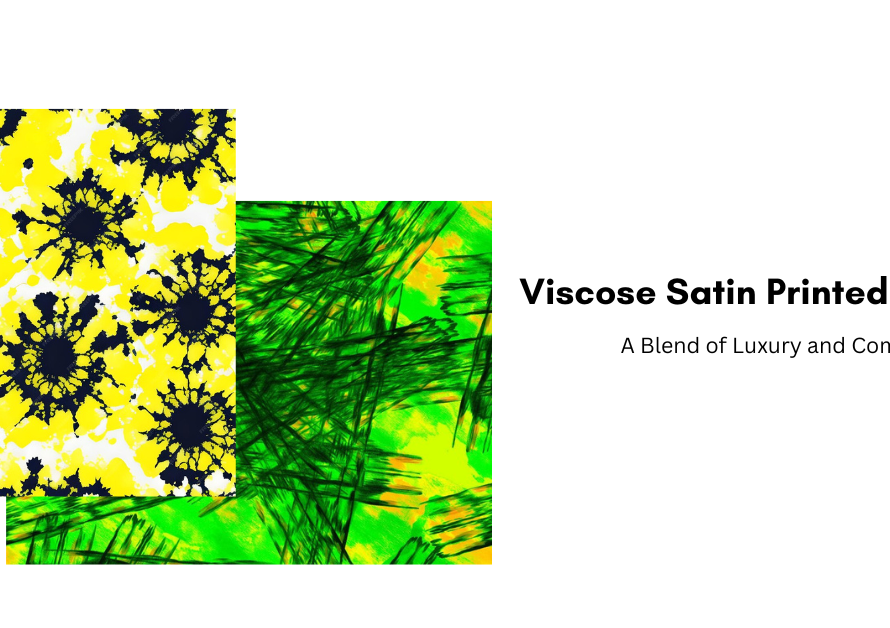



When a fashion buyer selects modal satin for a printed collection, the challenge is not simply finding an attractive design. The manufacturer needs to make sure that the fabric construction, artwork, print scale, colour development, sampling and bulk production work together.
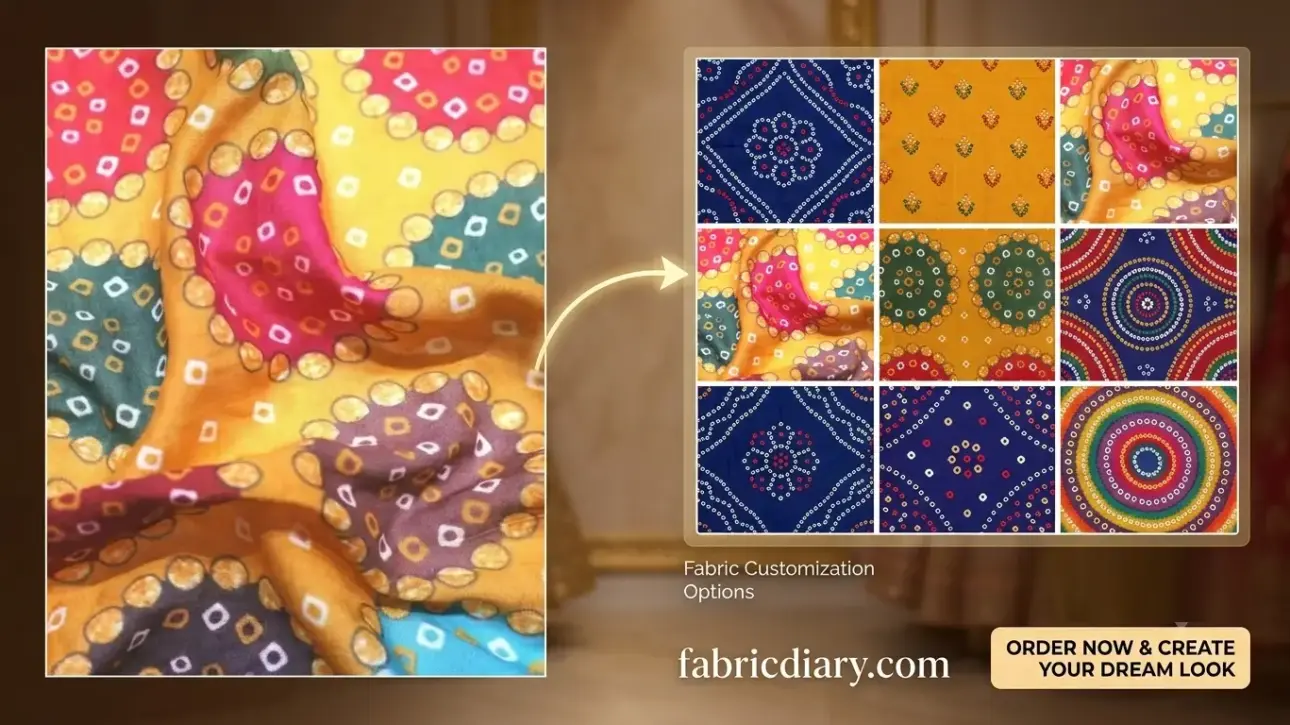
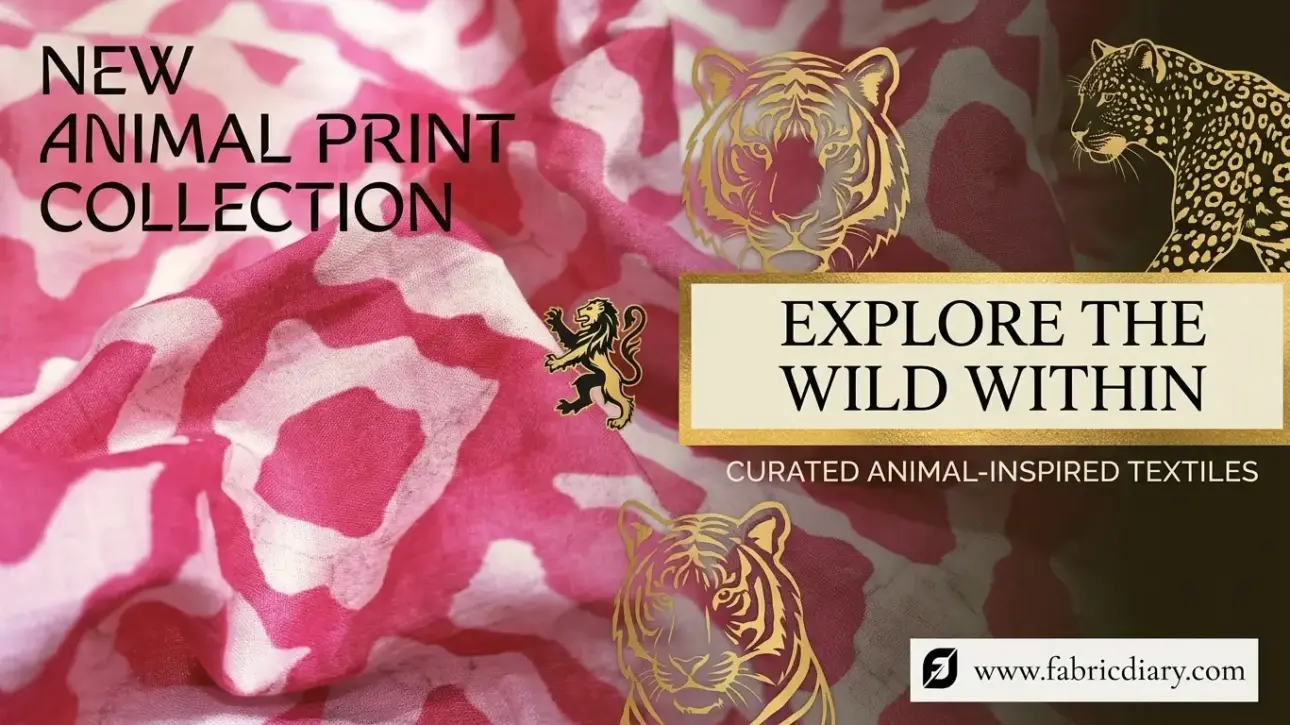
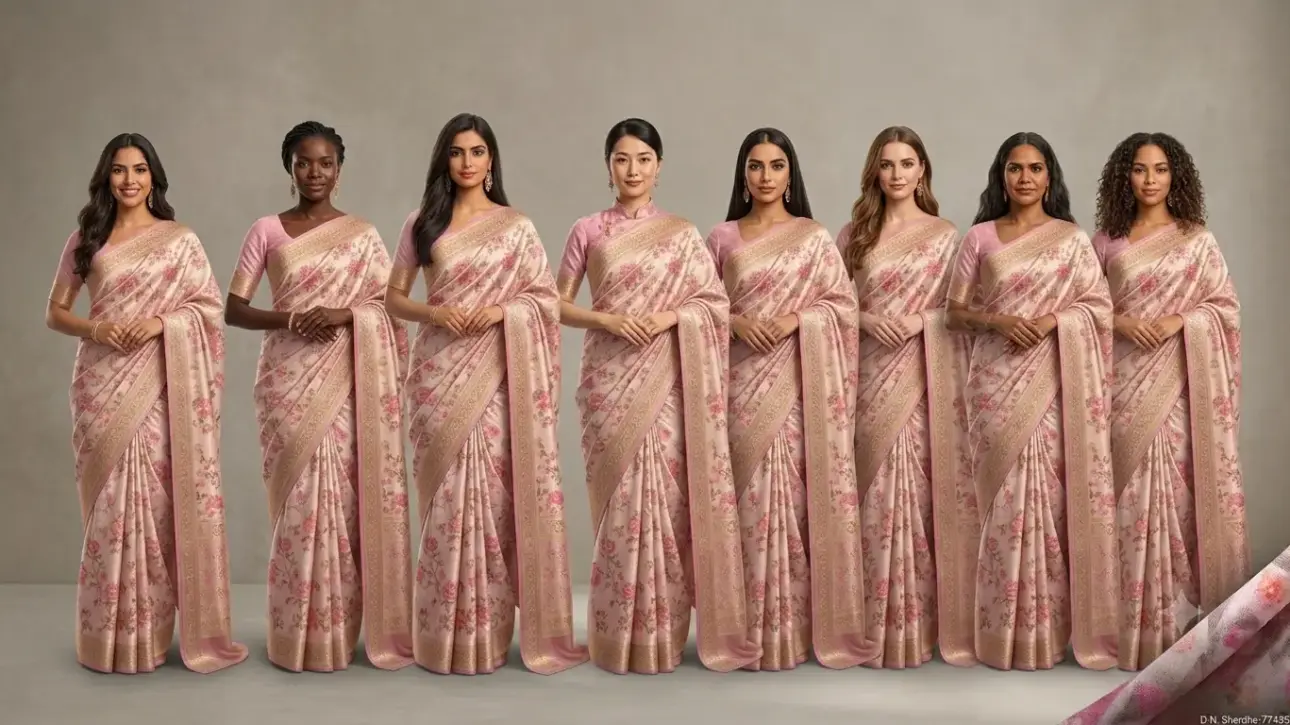
A print that looks correct on a computer screen still has to be evaluated on the actual modal satin fabric. Its smooth surface, soft handle and flowing character can influence how colours, motifs and repeats appear after printing.
How Modal Satin Fabric Is Printed for Bulk Production
For B2B buyers, these stages matter because a fabric that looks right on a small sample still needs to perform as a repeatable production material. for the manufacturer to evaluate the project accurately.
For B2B buyers, this makes the manufacturing process an important part of fabric sourcing.
Madhav Fashion works with fashion-fabric development and manufacturing requirements where buyers may need printed fabrics for garments, private-label collections, export production and other commercial applications. In such projects, the conversation can move from a ready design to a customized colourway, repeat development, sampling and eventually bulk production.
This guide explains the practical manufacturing journey behind printed modal satin fabric, from the first artwork discussion to the final bulk-production stage.
Why Modal Satin Requires Careful Print Development
Modal satin combines the identity of modal-based fabric with a satin-oriented smooth and lustrous surface.
That combination gives the fabric a distinctive visual and tactile character.
For printing, this means the manufacturer needs to consider more than the artwork itself.
Important variables can include:
- Fabric composition
- Fabric construction
- Surface appearance
- Weight and handle
- Print scale
- Artwork complexity
- Colourway
- Printing method
- Quantity
- Finishing requirements
The same artwork can create a different visual result when developed on different fabric constructions.
Therefore, a buyer should not treat the artwork and fabric as two completely separate decisions.
The print needs to be developed for the actual modal satin substrate.
Step 1: Selecting the Modal Satin Base
The first stage is understanding the required fabric.
Before print development, buyers should communicate the intended product and performance expectations.
For example, a modal satin fabric intended for a flowing dress may have different requirements from one intended for a blouse, kurti, co-ord set or occasionwear garment.
Useful information can include:
- Intended garment
- Preferred fabric composition
- Desired hand feel
- Desired drape
- Approximate weight requirement
- Width requirement
- Transparency expectations
- Finish
- Quantity
Exact technical specifications should be confirmed against the actual fabric being developed rather than assumed from the product name alone.
This is particularly important in B2B sourcing because “modal satin” describes a product direction, while the final commercial fabric still depends on its actual construction and finishing.
Step 2: Preparing the Print Artwork
Once the fabric direction is established, the artwork can be prepared.
The artwork may be:
- A ready production file
- A designer’s original artwork
- A reference image
- A repeat pattern
- A colourway adaptation
- A newly developed print concept
The manufacturer may need to adjust the artwork according to the intended printing process.
Typical development work can include:
- Artwork cleaning
- Motif adjustment
- Repeat creation
- Scale adjustment
- Colourway development
- Colour separation where required
- Placement planning
- Production file preparation
A design that looks good as a standalone image is not necessarily ready for continuous fabric production.
That distinction becomes particularly important with modal satin printed fabric because the buyer is ultimately evaluating the print on the finished textile, not on a design screen.
Allover Print vs Placement Print on Modal Satin
Two broad design orientations are useful to distinguish.
Allover modal satin printing
An allover print is designed to continue across the fabric.
The artwork is repeated across the usable fabric width and length.
This can work well for products such as:
- Dresses
- Kurtis
- Co-ord sets
- Blouses
- Skirts
- Scarves
- Ethnicwear
- Occasionwear
The repeat size should be considered according to the final garment.
A small floral repeat, for example, creates a very different visual effect from a large-scale botanical motif.
Placement printing
Placement printing is developed around a specific position.
The artwork may be intended for:
- Front panels
- Back panels
- Sleeves
- Borders
- Central motifs
- Other garment-specific areas
This approach can require more information from the buyer because the design needs to relate to the garment template.
Therefore, a manufacturer should know whether the buyer wants an allover repeat or a defined placement before final artwork development.
Step 3: Choosing the Printing Method
The printing method depends on the actual fabric, artwork, quantity and production objective.
For modal satin, the appropriate process should be confirmed through development and sampling rather than assumed simply from the word “printed.”
Depending on the manufacturing setup and project requirements, digital printing and production-oriented screen or rotary processes may serve different purposes.
The key B2B distinction is between flexible development and commercial bulk production.
Digital printing for sampling and flexible development
Digital printing can be useful when a buyer needs flexibility during development.
Potential applications include:
- New artwork testing
- Sample development
- Small quantities
- Boutique collections
- Multiple colour trials
- Custom artwork development
- Design experimentation
The buyer can evaluate the design on the actual fabric before committing to a larger production program.
For emerging brands and designers, this can be particularly useful because the artwork may change several times before the final collection is approved.
Bulk printing for larger production requirements
When the artwork, colourway and fabric specification have been approved, larger orders can move into a production-oriented printing process.
Rotary or screen-based processes can be relevant for larger-volume production where the same approved design needs to be reproduced across a substantial quantity.
The commercial logic changes at this stage.
The objective becomes:
consistent production against an approved specification.
This is different from the development stage, where the objective is to test and refine the design.
Digital Development vs Bulk Production
For buyers, it is useful to think of these as two stages rather than simply two competing printing options.
RequirementDevelopment approachBulk production approachNew artworkDigital can be usefulProduction after approvalSamplingHighly flexibleUsually not the primary purposeMultiple design trialsSuitableLess flexibleSmall development requirementOften suitableDepends on processLarge commercial quantityDepends on projectProduction-oriented processApproved repeat designDevelopment/referenceBulk reproductionCustom colour developmentUseful during samplingLocked after approval
The actual method should always be confirmed according to the fabric and manufacturer’s capabilities.
Step 4: Creating the First Printed Sample
Sampling is the bridge between artwork and production.
A buyer should use the sample to evaluate the actual modal satin fabric, not simply the design artwork.
The sample can be reviewed for:
- Fabric hand
- Drape
- Surface appearance
- Print sharpness
- Colour appearance
- Pattern scale
- Repeat
- Transparency
- Overall garment suitability
This is where many sourcing decisions become clearer.
A print may appear balanced on a computer display but feel too large, too small or visually different when reproduced on the actual fabric.
The physical sample therefore becomes an important production reference.
What to Check in a Modal Satin Printed Sample
Fabric hand
Check whether the softness and handle are suitable for the intended garment.
Drape
Modal satin is often selected where a fluid appearance is desired, so the actual drape should be evaluated rather than inferred from photographs.
Surface appearance
The smooth satin-oriented surface contributes to the visual character of the finished printed fabric.
Print clarity
Fine motifs should be checked on the physical fabric, particularly when the artwork contains detailed elements.
Print scale
Evaluate the repeat at actual fabric scale.
Colour
Compare the printed sample against the approved colour direction under suitable lighting.
Transparency
For lighter constructions, check whether the finished fabric has the opacity required for the garment.
Garment suitability
Where possible, assess the fabric in the context of the final product.
A sample is more useful when it answers the question:
“Will this fabric work for the actual garment?”
rather than simply:
“Does this print look attractive?”
Step 5: Colour Development and Approval
Colour approval is an important part of printed modal satin development.
A colour displayed on a computer screen cannot always represent the final fabric appearance exactly.
The fabric surface, printing process, lighting and other production variables can influence the visual result.
For this reason, buyers should communicate colour using clear references wherever possible.
Useful references can include:
- Approved physical sample
- Colour standard
- Clearly identified artwork
- Defined colourway
- Manufacturer-approved production reference
This becomes particularly important when the order will be repeated.
Why an approved colour reference matters
A repeat order may be placed weeks or months after the original production.
If there is no clear reference, “same colour” can become subjective.
An approved sample and documented production reference provide a stronger basis for repeat development.
For international buyers, this is even more important because the buyer and production team may be working from different locations.
Step 6: Customization of Modal Satin Printed Fabric
Customization can happen at several levels.
A buyer may request changes to:
- Artwork
- Print scale
- Colourway
- Repeat
- Placement
- Fabric specification
- Finishing
- Quantity
These are different development requirements.
For example, changing an existing floral print from one colourway to another is different from developing an entirely new artwork.
Similarly, changing an allover design into a garment-specific placement can require a different artwork-development process.
Therefore, buyers should explain exactly what they want customized.
A Practical Custom Modal Satin Fabric Brief
A clear brief can make the development process faster.
Fabric
Specify the desired modal satin fabric or provide a reference.
Product
Mention the intended garment:
- Dress
- Kurti
- Blouse
- Co-ord
- Skirt
- Saree
- Dupatta
- Other fashion product
Describe whether the requirement is:
- Floral
- Geometric
- Abstract
- Ethnic
- Botanical
- Conversational
- Other
Print orientation
Specify:
- Allover
- Placement
- Border
- Undecided
Artwork
Mention whether the artwork is:
- Ready
- Reference-based
- To be developed
Colour
State whether the buyer needs:
- Existing colourway
- Custom colourway
- Multiple colourways
Quantity
Separate:
- Sample quantity
- Expected bulk quantity
This distinction helps the manufacturer understand whether the project is still in development or already approaching commercial production.
Step 7: Moving From Sample to Bulk Production
Once the buyer approves the sample, the project can move toward bulk manufacturing.
At this point, the approved specifications become the production reference.
Important details can include:
- Fabric specification
- Artwork
- Repeat
- Colourway
- Width
- Quantity
- Finishing
- Packing requirements
- Delivery requirements
The purpose of this stage is to reduce ambiguity.
The bulk order should be manufactured against a clearly understood reference rather than an informal description such as “same as sample.”
How Bulk Modal Satin Printing Is Controlled
Bulk production requires consistency across the production run.
The manufacturer needs to maintain the relationship between:
approved fabric + approved artwork + approved colour + printing process + finishing
If one of these changes unexpectedly, the final result can also change.
That is why a properly approved sample is important.
For repeat orders, the production reference can become even more valuable because the manufacturer has a defined benchmark for the next order.
Quality Checks for Printed Modal Satin
Quality inspection should consider both the fabric and the print.
Depending on the buyer’s requirements, checks can cover:
- Fabric appearance
- Width
- Surface defects
- Print clarity
- Print repeat
- Colour consistency
- Visible printing defects
- Finishing
- Roll presentation
- Packing
The exact inspection procedure can vary according to the order and buyer requirements.
For larger B2B programs, quality expectations should be communicated before production rather than after the goods are completed.
Why Print Repeat Matters in Bulk Production
An allover print may contain hundreds or thousands of repeated motifs across a production run.
The repeat needs to maintain the intended visual relationship.
Problems can become visible when:
- The repeat is poorly prepared
- Motifs are not aligned as intended
- Scale is changed after approval
- Artwork files are inconsistent
- Production references are unclear
This is why the approved repeat should be treated as part of the production specification.
For buyers ordering printed modal satin for a collection, repeat approval is therefore not a minor design detail. It is part of the manufacturing brief.
Choosing Print Scale for Fashion Garments
Print scale should be considered together with garment size.
A large motif may work beautifully on a full-length dress but may need different placement on a smaller blouse.
Similarly, a very small repeat can create a completely different visual character from a large statement print.
Before bulk production, buyers should consider:
- Garment silhouette
- Fabric width
- Motif size
- Repeat size
- Cutting plan
- Desired visual impact
This is one reason experienced buyers often evaluate a physical printed sample before final approval.
Printed Modal Satin for Different Buyer Requirements
Designers
Designers may prioritize originality, custom artwork, unusual colourways and print experimentation.
For these projects, development and sampling can be especially important.
Boutique brands
Boutique labels may need smaller development quantities and flexibility to test new designs.
Private-label brands
Private-label buyers may require defined artwork, consistent colour, repeatability and repeat-order capability.
Garment manufacturers
Garment manufacturers usually need the fabric specification to align with their production schedule, garment construction and required quantity.
Export houses
Export-oriented buyers may require more detailed coordination around specifications, quality expectations, packing and delivery.
The same modal satin fabric can therefore be developed differently depending on the commercial application.
International B2B Sourcing of Modal Satin Printed Fabric
For international buyers, production communication becomes particularly important.
The buyer and manufacturer may be working in different countries and time zones.
A clear written production brief can therefore help avoid unnecessary misunderstandings.
Before confirming production, buyers should establish:
- Fabric specification
- Print specification
- Approved sample
- Quantity
- Width
- Finishing
- Packing
- Delivery requirements
- Documentation requirements
- Inspection expectations
The more clearly these details are established before production, the easier it becomes to manage a commercial order.
Common Mistakes When Ordering Printed Modal Satin
Ordering from an image alone
A product photograph cannot fully communicate fabric hand, drape, print appearance or transparency.
Request a physical sample where the fabric is critical to the final garment.
Approving artwork without checking scale
The artwork should be reviewed at the intended production scale.
Changing colour after approval
Late colour changes can affect development and production planning.
Not specifying allover or placement
The manufacturer needs to know how the print is intended to function on the fabric.
Comparing only the fabric price
Two quotations may not represent identical specifications.
Compare:
fabric + construction + print + width + finishing + quantity + production requirements
Treating sample production and bulk production as identical
Sampling is for development and approval.
Bulk production is for controlled reproduction of the approved result.
The two stages should be planned accordingly.
How to Compare Modal Satin Printing Suppliers
A buyer comparing manufacturers can use a simple production checklist.
The objective is not to compare suppliers by price alone.
The more useful comparison is whether the supplier can support the entire development-to-production workflow required by the buyer.
A Practical Modal Satin Printing Workflow
A custom or semi-custom project can be organized into these stages:
1. Requirement
Define the garment, fabric and quantity.
2. Artwork
Provide artwork or a design reference.
3. Print development
Create the repeat, scale and colourway.
4. Sampling
Print the development sample on the actual modal satin fabric.
5. Review
Evaluate fabric, print, colour, scale and garment suitability.
6. Approval
Confirm the production reference.
7. Bulk production
Manufacture the required quantity according to the approved specification.
8. Inspection and dispatch
Check the finished material and prepare it according to the agreed delivery requirements.
This workflow provides a practical structure for buyers developing printed modal satin for commercial collections.
How Repeat Orders Become Easier
A successful first production can create a useful reference for future orders.
Buyers should retain:
- Approved fabric sample
- Approved artwork
- Repeat information
- Colour reference
- Fabric specification
- Width
- Finishing reference
- Production details
This creates a documented production history.
When the same or closely related fabric is required again, the development conversation can start from an established reference instead of beginning from scratch.
For brands producing seasonal collections, this can make repeat sourcing more organized.
What Buyers Should Ask a Modal Satin Fabric Manufacturer
Before moving from development to bulk production, buyers can ask:
- What modal satin construction is being offered?
- What printing method is proposed for the requirement?
- Can the artwork be customized?
- Can the print scale be changed?
- Can the colourway be customized?
- Is the design intended as allover or placement?
- Can a physical sample be developed?
- What information is required for artwork?
- What quantity is appropriate for the selected production route?
- How will the approved sample be used during bulk production?
- What finishing is available?
- How will the finished rolls be inspected?
- What packing and export requirements can be supported?
These questions help turn a basic fabric inquiry into a more complete manufacturing discussion.
Frequently Asked Questions
What is modal satin printed fabric?
It is modal-based satin-oriented fabric that has been printed with an artwork, repeat, motif or other design according to the selected production process.
Can modal satin be custom printed?
Custom printing may be possible depending on the fabric, artwork, printing process and manufacturer’s capabilities. Customization can include artwork, colourway, scale or repeat.
Is digital printing useful for modal satin?
Digital printing can be useful for sampling, development, smaller quantities and artwork experimentation. The appropriate method should be confirmed according to the actual fabric and project.
What is the difference between sample printing and bulk printing?
Sample printing is primarily used to develop and approve the fabric and artwork. Bulk printing reproduces the approved specifications across the required production quantity.
Can I use my own print design?
A buyer can discuss supplying original artwork with the manufacturer. The file may need preparation for the intended printing process.
Can the print colour be customized?
Depending on the project, colourways can be developed or adjusted during the artwork and sampling stage.
Is allover printing common for modal satin?
Allover printing is a practical format for many fashion applications because the repeated design can be used across different garment panels. The appropriate orientation depends on the product.
Can modal satin have placement prints?
Yes, placement development can be considered when the artwork is intended for a defined garment position and the manufacturing process supports that requirement.
Why should I approve a physical sample?
The physical sample allows the buyer to evaluate the actual relationship between the modal satin base and the printed artwork.
What should be checked before bulk production?
Confirm the fabric, artwork, repeat, colourway, width, finishing, quantity and other agreed production specifications.
How can I maintain consistency for repeat orders?
Keep the approved fabric sample, artwork, colour reference and production specifications as the reference for future orders.
Can printed modal satin be used for dresses?
Its suitability depends on the actual construction, weight, finish and garment requirement. Modal satin can be considered for flowing fashion garments where its particular hand and drape are appropriate.
Can printed modal satin be used for ethnicwear?
Yes, depending on the fabric construction and garment requirement, it can be developed for products such as kurtis, blouses, saree-related products and other fashion applications.
How should I request a quotation?
Provide the fabric requirement, artwork or reference, print type, colourway, quantity, width and intended application. A more complete brief usually allows a manufacturer to assess the requirement more accurately.
Manufacturing printed modal satin is a development process rather than simply putting an artwork onto fabric.
The final commercial fabric depends on the relationship between:
modal satin construction + artwork + repeat + colour + printing method + sampling + approval + bulk production
For buyers, the most important step is to establish the production reference before committing to a larger quantity.
For manufacturers, the objective is to translate the buyer’s design requirement into a reproducible fabric specification.
When the artwork, fabric, colour, repeat and production requirements are clearly aligned, modal satin can be developed into a consistent printed textile suitable for different fashion and B2B applications.
For buyers looking to explore the actual product category, the Pure Modal Satin Printed Fabric collection provides the relevant fabric range alongside this manufacturing guidance.