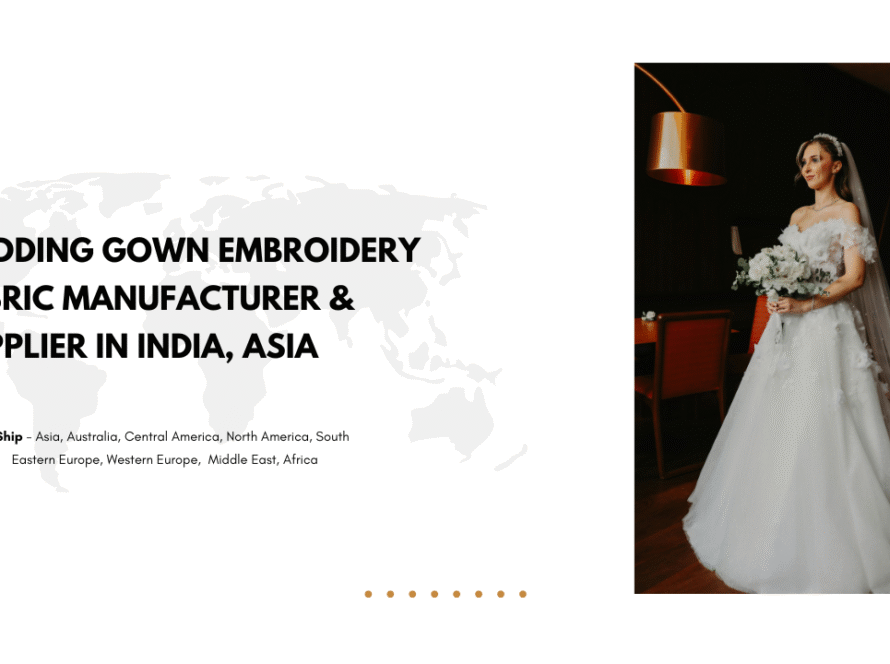



Across global fashion capitals — from Paris couture studios to New York bridal ateliers and Mumbai export houses — mesh net bead embroidery fabric has emerged as a cornerstone material for luxury, occasion wear, and high-value garment production. Unlike traditional embroidered bases, mesh and net structures allow beadwork to appear lighter, more fluid, and visually dimensional, aligning perfectly with modern couture psychology where drama must coexist with comfort.
For B2B buyers, designers, and manufacturers, mesh net bead embroidery fabric is not merely a textile choice; it is a strategic material that balances visual richness, export compliance, weight efficiency, and cost control. This master guide explores the fabric category deeply — from material science and embroidery engineering to global buying behavior — while positioning wholesale sourcing through FabricDiary and Madhav Fashion as a reliable ecosystem.
Why Mesh Net Bead Embroidery Fabric Dominates Global Fashion
Understanding Mesh Net Bead Embroidery Fabric as a Category
Mesh net bead embroidery fabric is created by applying beads, sequins, pearls, crystals, or metal elements onto a netted base such as soft tulle, illusion mesh, double net, or nylon net. The open construction of the base fabric allows embroidery density without excessive fabric weight, a critical requirement for bridal gowns, capes, veils, corsetry, and evening silhouettes.
From a technical standpoint, most export-grade mesh net bead embroidery fabrics range between 80–160 GSM, depending on bead density and backing quality. Yarn bases typically include polyamide nylon, polyester filament, or blended silk-poly meshes, chosen for tensile strength and needle resistance during high-speed embroidery.
Machine embroidery dominates large-scale production — using Schiffli, multi-head sequin machines, and computerized bead applicators — while hand embroidery is selectively used for couture panels and limited-edition orders.
Fabric Characteristics Buyers Admire Globally
International buyers gravitate toward mesh net bead embroidery fabric for reasons that go beyond aesthetics. Climate adaptability plays a major role: lightweight net bases perform well across humid regions (India, Southeast Asia), temperate zones (Europe), and indoor-controlled environments (North America).
Fashion psychology also influences demand. Mesh net fabrics convey luxury without heaviness, allowing garments to photograph well, drape fluidly, and move gracefully on runways and wedding aisles. This is why publications like Vogue, Harper’s Bazaar, and Business of Fashion frequently reference sheer, embellished textiles as symbols of contemporary elegance.
For wholesalers and garment manufacturers, durability matters. Export-quality mesh net bead embroidery fabric undergoes quality checks for bead pull strength, colorfastness, and mesh distortion — parameters critical for shipping, stitching, and retail longevity.
Types of Bead Embroidery Fabrics on Mesh Net
Cotton Bead Embroidery Fabric
Cotton-based bead embroidery fabrics are typically used when breathability and natural texture are prioritized. While less common in heavy bridal wear, cotton mesh or voile bases with light beadwork are popular for summer ethnic garments, Indo-western overlays, and boutique collections targeting comfort-driven consumers.
Silk Bead Embroidery Fabric
Silk or silk-blend mesh bead embroidery fabrics cater to premium markets. These fabrics often feature zari beads, pearls, and fine sequins, delivering a subdued sheen suitable for bridal blouses, luxury dupattas, and couture panels. Designers trained at institutes like NIFT and Parsons often prefer silk-based embroidery for heirloom-quality garments.
Mesh Net Bead Embroidery Fabric
The most commercially dominant category uses soft net, illusion tulle, or double net bases. These fabrics support heavy bead density while remaining stitch-friendly. Applications include bridal gowns, veils, capes, corsets, prom dresses, and eveningwear exports. This category drives the highest B2B demand globally.
Popular Bead Embroidery Patterns & Layouts
Pattern engineering is as important as material choice. Global buyers consistently demand:
- Allover bead embroidery for gowns and lehengas
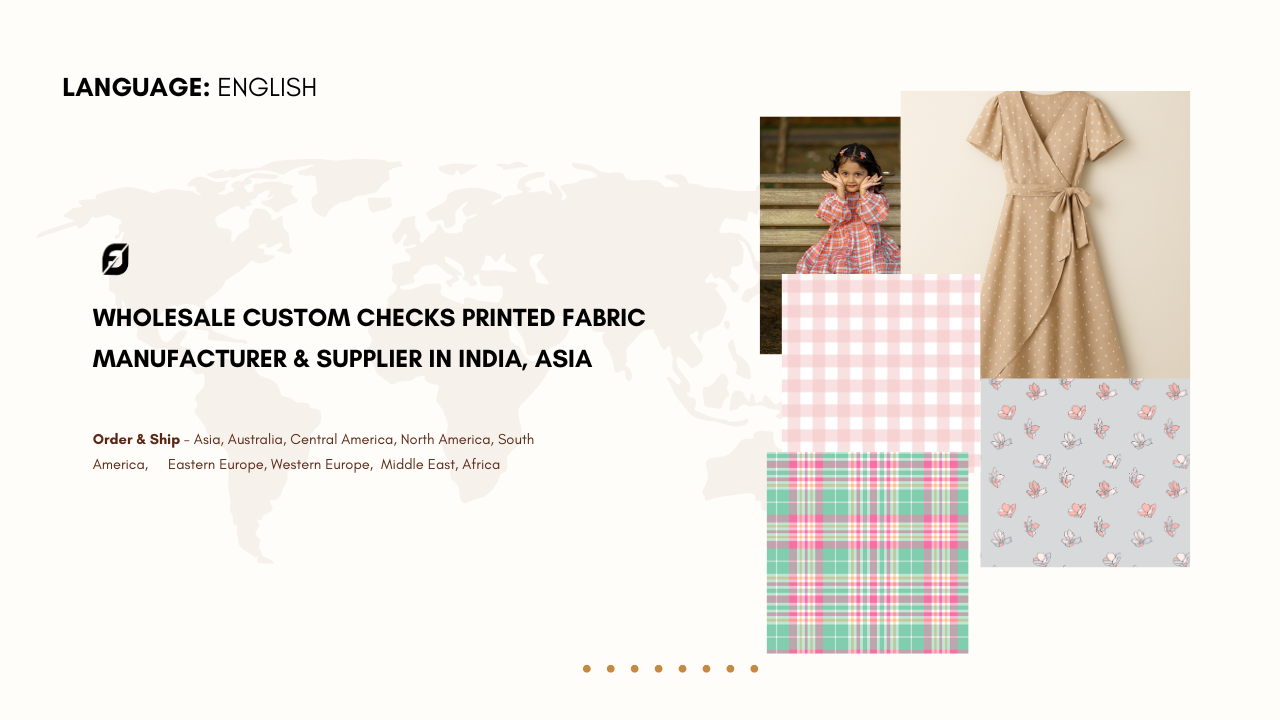
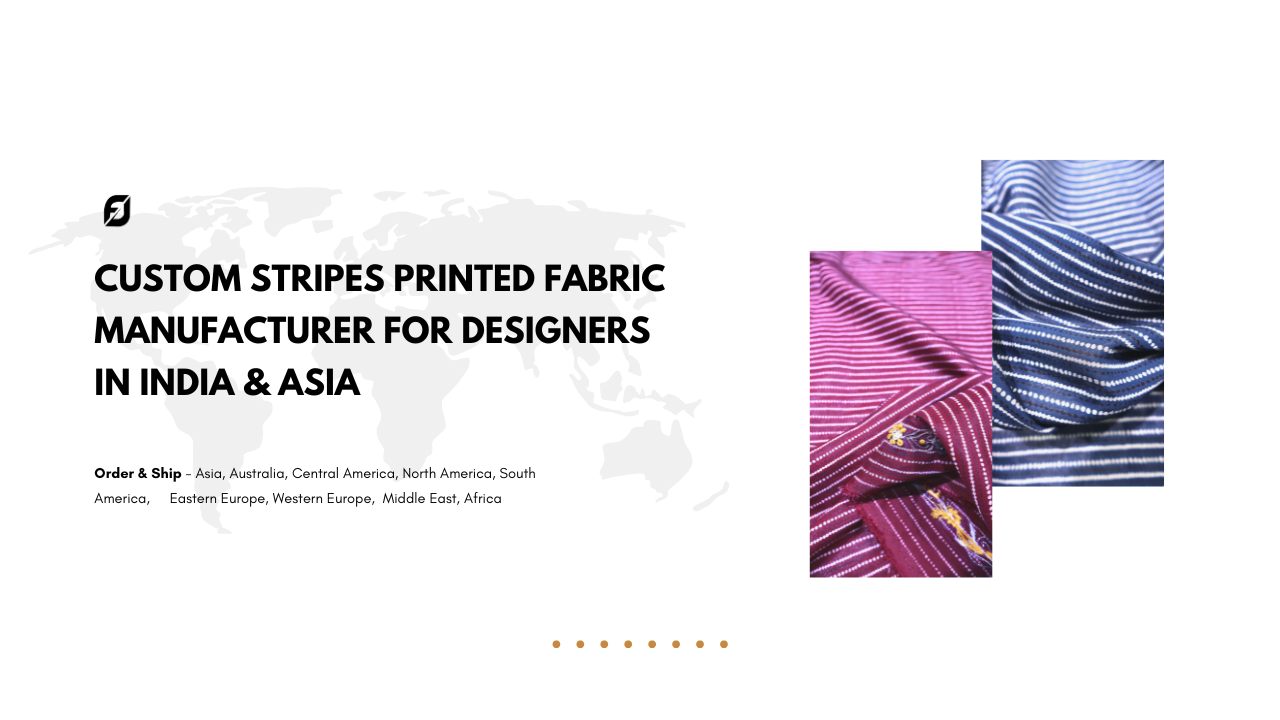
- Striped or vertical bead layouts for elongating silhouettes
- 3D floral bead motifs for couture bridal wear
- Geometric and Art Deco patterns for Western eveningwear
Embroidery density typically ranges from 1,200 to 4,000 beads per square meter, depending on price point and end use. Higher densities are reserved for couture exports and luxury bridal markets.
Global Demand Trends & Buyer Psychology
The global market for beaded embroidery fabrics continues to expand, driven by bridal fashion, red-carpet culture, and social-media-led visual storytelling. According to industry platforms like Statista and WGSN, sheer embellished textiles are among the fastest-growing segments in occasion wear.
Buyers from the United States, United Kingdom, Canada, Australia, and the Middle East prioritize consistency and reorder reliability. Indian buyers, meanwhile, balance price sensitivity with ornamentation richness — making mesh net bead embroidery fabric a natural fit.
B2B buyers often discover suppliers via platforms such as Alibaba, Etsy, IndiaMART, and Amazon Business, but long-term sourcing shifts toward direct manufacturers for quality control and customization.
Bridal & Wedding Wear Relevance Worldwide
Mesh net bead embroidery fabric is inseparable from bridal fashion. From Indian lehengas and dupattas to Western gowns, cathedral veils, and capes, the fabric adapts seamlessly across cultures.
In India, it enhances lehengas, blouses, and bridal overlays. In Western markets, it defines silhouettes for gowns, trains, and illusion necklines. Pearl and crystal beadwork remains the most universally accepted bridal embellishment across cultures.
Partywear & Eveningwear Applications
Beyond weddings, mesh net bead embroidery fabric dominates cocktail dresses, prom wear, gala outfits, and luxury evening collections. Designers favor it for its ability to deliver glamour without structural bulk — a key factor in modern event dressing.
Garment Manufacturing & Export Usage
Export houses and garment factories integrate mesh net bead embroidery fabric into panels, yokes, sleeves, and overlays. Quality-conscious manufacturers test for needle breakage resistance, bead shedding, and shrinkage before bulk cutting.
This fabric category is particularly favored by brands supplying department stores and bridal retailers in Europe and North America.
Designers, Boutiques & Couture Preferences
Boutique designers prefer mesh net bead embroidery fabric for sampling flexibility. The fabric allows customization in motif placement and density — essential for limited-edition collections and made-to-measure orders.
B2B Sourcing Behavior, MOQ & Bulk Logic
Small designers often source 1–5 meters for sampling, while wholesalers and exporters purchase 50–500 meters per design. Reliable suppliers offer consistent repeats, shade accuracy, and scalable production.
Custom Manufacturing, Quality Control & Export Reliability
Custom bead patterns, color-matching, and density adjustments are standard B2B requirements. Quality control includes bead strength testing, embroidery alignment checks, and packing standards compliant with international shipping.
Why FabricDiary & Madhav Fashion Fit Global Buyers
FabricDiary supports designers and boutiques with small-quantity access, global swatch delivery, and trend-forward collections. Explore categories such as [FabricDiary category link].
Madhav Fashion, based in Surat, operates as a trusted manufacturer and exporter, offering bulk pricing, factory-level customization, and worldwide logistics support through https://madhavfashion.com/ and https://madhavfashion.com/buy-embroidery-fabrics-embroidered-fabrics/.
Mesh net bead embroidery fabric stands at the intersection of craftsmanship, technology, and global fashion demand. For buyers seeking reliability, scalability, and visual excellence, sourcing from structured platforms like FabricDiary and Madhav Fashion ensures both creative freedom and commercial confidence.
————————
FAQs
Can I buy mesh net bead embroidery fabric in small quantities?
Yes. FabricDiary allows purchases starting from as little as 1 meter, ideal for designers and sampling.
Do you supply mesh net bead embroidery fabric wholesale?
Yes. Madhav Fashion specializes in bulk manufacturing and export-grade wholesale supply.
Is international shipping available?
Worldwide shipping is supported with proper export documentation and secure packaging.
Can I request custom bead patterns or colors?
Custom designs, bead types, and colorways are available subject to MOQ.
What is the typical width of mesh net bead embroidery fabric?
Most fabrics are produced in widths ranging from 44 to 59 inches.
Are samples available before bulk orders?
Yes, swatches and samples can be arranged prior to confirmation.
What payment methods are accepted?
Payments are accepted via bank transfer and other standard international modes.