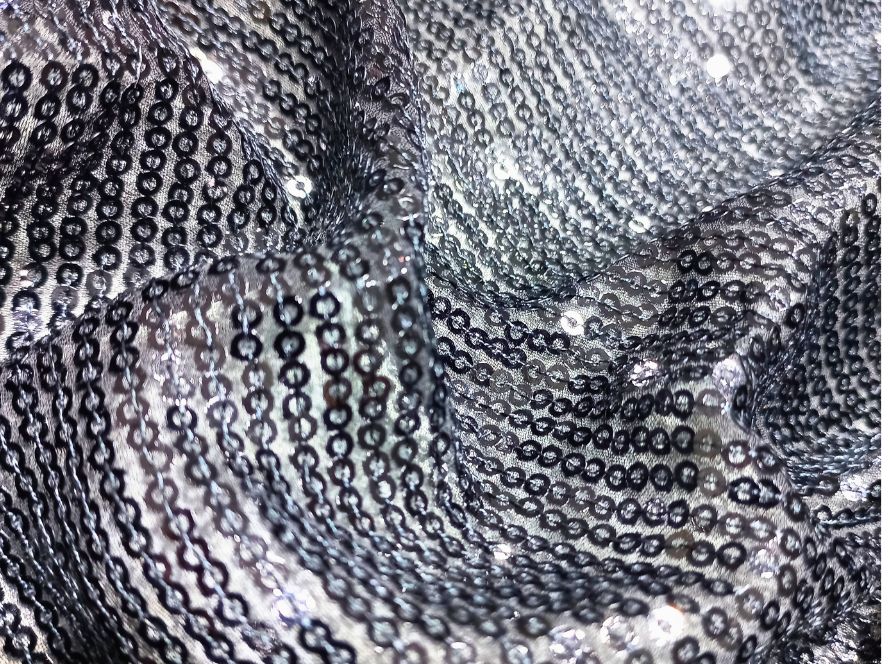



Fashion collections increasingly begin with a fabric decision rather than a finished garment. The surface, texture, print scale, colour development and fall of the material can influence how an entire collection looks and feels.
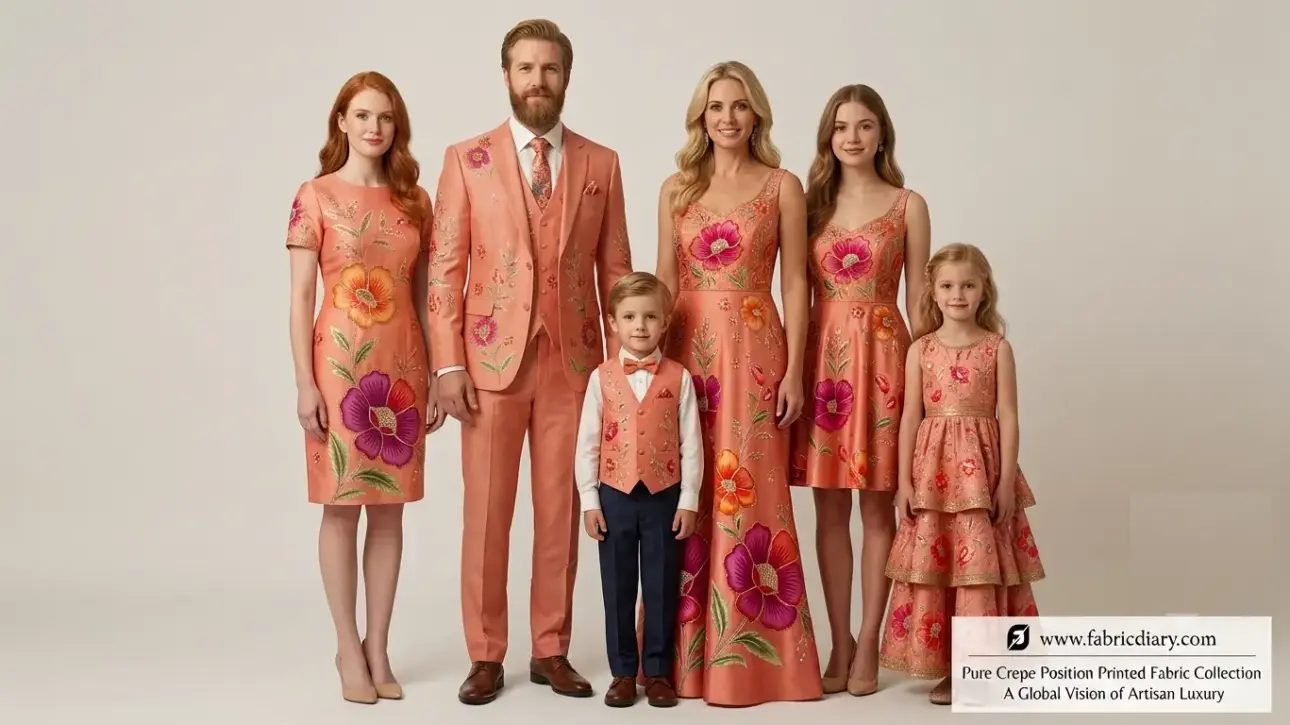
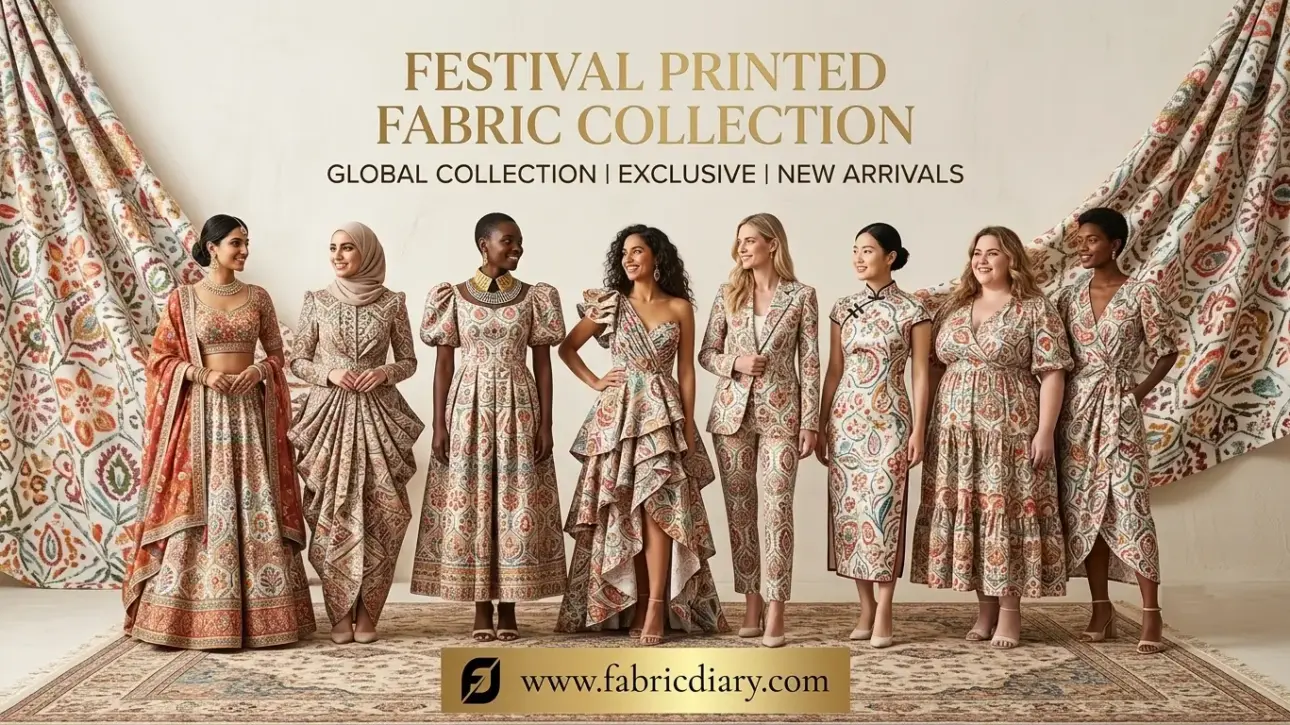
Madhav Fashion works from this fabric-development perspective, helping fashion businesses explore printed and customized fabric directions for different garment concepts, production quantities and design requirements. For buyers looking at Poly Linen Cotton Print Fabric, the opportunity is not limited to selecting an existing print from a catalogue. The fabric can also become a starting point for developing a custom colour palette, artwork, repeat pattern or production-specific textile.
Poly Linen Cotton Print Fabric for Custom Fashion Collections
Poly Linen Cotton Print Fabric sits within the broader world of blended and polyester-containing printed fabrics, where buyers often look for a balance between a linen-cotton visual direction and the practical requirements of commercial apparel production.
For a designer, this may mean developing a distinctive allover botanical print. For a private-label brand, it may mean adapting an existing artwork into a controlled repeat. For a garment manufacturer, the priority may be consistency across a larger production run.
That difference in purpose is important when sourcing fabric.
A fabric source should therefore be able to discuss not only the printed surface, but also the underlying construction, artwork, print method, sampling process and bulk-production requirements.
Why Poly Linen Cotton Print Fabric Is Interesting for Fashion Collections
Linen-cotton inspired fabrics have a recognizable visual language. Depending on the actual construction and finishing, the surface can communicate a more natural, textile-led character than highly uniform synthetic-looking fabrics.
When polyester is incorporated into the construction, the resulting fabric is not equivalent to pure linen or pure cotton. The exact fibre ratio, yarn selection, weave, finishing and manufacturing process can influence the final appearance and handle.
This is why professional sourcing should begin with the actual fabric specification rather than the commercial fabric name alone.
For printed fashion fabrics, buyers generally examine:
- Surface texture
- Hand feel
- Drape
- Opacity
- Weight
- Construction
- Print clarity
- Colour development
- Repeat accuracy
- Finished appearance
- Garment suitability
These characteristics can vary between constructions and production batches, so sampling remains an important stage before committing to bulk production.
The commercial advantage of a blended construction is therefore not simply about combining fibre names. It is about creating a fabric that works for a particular fashion product and production requirement.
From Fabric Selection to Custom Textile Development
A professional fashion collection may start with a moodboard, garment silhouette, artwork or colour story.
The fabric source then has to translate that creative direction into a manufacturable textile.
A typical custom development process can involve:
Fabric selection → artwork review → print method assessment → repeat development → colour development → sampling → approval → bulk production
This process is particularly important when the buyer is developing a private-label collection or an exclusive textile direction.
Artwork may need to be adjusted according to the fabric surface. A very fine motif that looks attractive on a smooth digital artwork file may require different treatment when printed on a textured or visually irregular surface.
Similarly, a large botanical motif, geometric repeat or conversational print needs to be evaluated for scale.
The question is not simply:
“Can this design be printed?”
The more useful question is:
“How should this design be developed so that it works commercially on this fabric?”
That distinction separates catalogue sourcing from actual textile development.
Custom Print Design for Fashion Brands
Custom printing gives designers and brands more control over the identity of their fabric.
A buyer may provide:
- Original artwork
- Colour references
- Moodboards
- Repeat files
- Brand-specific motifs
- Existing textile references
- Hand-drawn designs
- Digital artwork
- The artwork can then be reviewed for production suitability.
Repeat size is one of the most important considerations.
A small repeat can create a continuous visual texture across the garment, while a larger repeat can make the print itself the primary design statement.
For example, a fashion brand developing relaxed shirts may prefer a controlled botanical repeat, while an occasionwear or resortwear collection may require larger-scale artwork.
The final approach depends on the garment, fabric construction and visual objective.
Digital Printing for Sampling and Smaller Developments
Digital textile printing is particularly useful during the development stage.
It allows designers and brands to explore artwork, colour combinations and repeat structures without immediately committing to a large production run.
This makes digital printing relevant for:
- Designer sampling
- Boutique collections
- Private-label development
- Limited collections
- Artwork testing
- New brand launches
- Small production quantities
A designer can therefore test whether a particular artwork actually works on the selected fabric before moving into a larger manufacturing program.
Digital printing is also useful when a brand has several colourways or wants to test different design directions.
However, digital sampling should not automatically be interpreted as the same production model used for very large-volume manufacturing.
The print method, fabric construction and quantity should be considered together.
Bulk Manufacturing Requires a Different Approach
When the requirement moves from sampling to substantial production, the manufacturing strategy changes.
For larger quantities, bulk mill printing such as rotary or screen-based printing may become commercially appropriate depending on the fabric, artwork and production requirements.
The process generally involves finalizing:
- Fabric construction
- Artwork
- Repeat
- Colour separation
- Print standard
- Approval sample
- Production specifications
- Once these elements are approved, the bulk production can proceed against the agreed standard.
This is particularly relevant for garment manufacturers, exporters, wholesalers and established fashion brands where consistency across a production lot matters more than changing the artwork during production.
Custom manufacturing therefore does not mean changing every metre individually.
For bulk production, customization happens during development and approval, followed by controlled manufacturing.
That distinction is important for buyers planning commercial quantities.
Allover Prints, Repeats and Placement Designs
Poly Linen Cotton Print Fabric can be developed in different design directions depending on the product.
For continuous fabric production, allover repeat printing is generally one of the most practical formats.
The artwork repeats across the fabric width and length, making it suitable for cutting garments from different sections of the roll.
Possible directions include:
- Botanical repeats
- Floral patterns
- Geometric designs
- Abstract artwork
- Stripes
- Small conversational motifs
- Contemporary fashion prints
- Large-scale artistic repeats
- Placement printing is different.
Instead of continuously repeating the artwork, the motif is positioned for a particular garment area.
This can be useful when the design concept requires a controlled front motif, border, panel or engineered composition.
The right approach depends on the garment pattern and the desired visual effect.
Where Can Designers Use This Fabric Direction?
The actual application depends on the construction, weight, opacity and finishing of the selected fabric.
Potential fashion applications include:
Shirts and Overshirts
Printed linen-cotton-inspired surfaces can work well for contemporary shirts where the print becomes part of the garment identity.
Dresses
Depending on the drape and opacity, printed constructions can be explored for casual, resort and contemporary dresses.
Kurtis and Contemporary Ethnicwear
The combination of printed artwork and a linen-cotton visual direction can be adapted to modern ethnic silhouettes.
Co-Ord Sets
Matching tops and bottoms create an opportunity for allover prints, particularly where the artwork needs to remain visually consistent across multiple garment panels.
Skirts and Fashion Separates
Larger motifs and structured repeats can be explored for statement separates.
Resort and Lifestyle Collections
Print-led fabrics are particularly useful when the collection is built around colour, surface and relaxed silhouettes.
The final suitability should always be confirmed against the actual fabric sample.
What Fashion Buyers Should Ask a Fabric Source
A professional sourcing conversation should go beyond price per metre.
Before approving a fabric, buyers should ask:
- What is the actual fibre composition?
- The commercial name alone does not establish the exact construction.
- What is the fabric construction?
- Ask about the weave and overall fabric character.
- Which printing method is recommended?
- The answer should consider fibre composition, surface and intended quantity.
- Can the artwork be customized?
- Confirm whether buyer artwork, colours and repeat dimensions can be developed.
- Can a sample be produced first?
- Sampling allows the buyer to assess the actual textile rather than making a decision from a digital image.
- How is bulk colour consistency controlled?
- For commercial production, approved references and production standards become important.
- Can the same fabric and artwork be developed again?
- Repeat-order planning is important for brands building ongoing collections.
These questions help move the sourcing process from simple fabric buying toward structured textile development.
Madhav Fashion as a Textile Source
Madhav Fashion approaches fabric sourcing from the perspective of fashion manufacturing and product development.
For buyers exploring printed fabrics, the requirement may begin with a ready design or with a completely new concept.
The sourcing process can therefore involve different levels of development:
Ready Fabric
For buyers who want an existing printed fabric suitable for their collection.
Custom Artwork
For buyers who already have artwork and want it developed on a suitable fabric base.
Custom Colour
For brands working with a defined colour palette or collection identity.
Custom Repeat
For buyers who need a particular motif scale or repeat arrangement.
Bulk Manufacturing
For manufacturers, exporters and brands moving from approved samples into commercial production.
This flexibility is particularly relevant for B2B buyers who do not simply want a fabric supplier but need a manufacturing partner capable of supporting the transition from design concept to finished textile.
For Private-Label and Export Buyers
Private-label businesses often operate differently from traditional fabric wholesalers.
Their requirement may include:
- Exclusive-looking artwork
- Controlled colour palettes
- Consistent fabric quality
- Repeatable production
- Sampling before commitment
- Commercial quantities
- Reliable communication
- Development support
Export houses and garment manufacturers may have another priority: the fabric needs to integrate smoothly into their production schedule.
This makes pre-production approval important.
A properly approved sample establishes a reference for the bulk order and reduces ambiguity between the design file, sample and production fabric.
For international buyers, documentation of specifications and clear approval stages can also make communication easier between designers, sourcing teams and manufacturers.
The Importance of Fabric Sampling
A screen image cannot communicate everything about a textile.
The physical sample allows a buyer to examine:
- Surface
- Texture
- Handle
- Drape
- Opacity
- Print sharpness
- Colour appearance
- Construction
- Garment suitability
Lighting can also change how a printed colour appears on screen compared with the physical fabric.
For this reason, professional buyers should avoid approving a substantial production order based solely on a digital image.
Sampling is especially important when the artwork contains subtle shades, fine details or complex colour combinations.
Once the fabric and print are approved, the reference can be used for production planning.
Building a Custom Fabric from a Design Concept
The strongest textile developments often begin with a clear product objective.
Instead of simply asking for “a printed fabric,” a buyer can define:
Product: Women’s resort dress Fabric direction: Poly Linen Cotton Design: Botanical allover Scale: Medium-to-large repeat Colour: Brand palette Quantity: Commercial production Print requirement: Consistent repeat and colour Development: Sample approval before bulk
This gives the textile manufacturer a much clearer production brief.
The same process can be used for shirts, co-ords, kurtis, skirts, private-label collections and other apparel categories.
The more precise the development brief, the easier it becomes to evaluate the final fabric against the intended product.
A More Strategic Way to Source Printed Fabric
Fashion sourcing is moving beyond the idea of selecting whatever fabric is already available.
Brands increasingly develop products around a specific visual identity.
That means fabric sourcing can involve three connected decisions:
Material
What kind of fabric construction suits the garment?
Surface
How should the print, texture and colour interact with the fabric?
Manufacturing
Can the selected textile be reproduced consistently at the required quantity?
Poly Linen Cotton Print Fabric becomes commercially interesting when these three decisions are considered together.
The fabric is not simply the background for the artwork. It is part of the final product identity.
Explore Poly Linen Cotton Print Fabric
For buyers searching for a fabric source that can support both ready sourcing and custom development, the Poly Linen Cotton Print Fabric collection provides a dedicated starting point for exploring this category.
Madhav Fashion can support the broader development conversation around fabric selection, custom artwork, print development, sampling and bulk manufacturing according to the actual project requirement.
Explore the collection:
Poly Linen Cotton Print Fabric https://fabricdiary.com/collections/poly-linen-cotton-print-fabric
For larger production programs, buyers should provide their fabric requirement, artwork or design direction, estimated quantity and intended application so the appropriate development route can be evaluated.
Textile Source Perspective
A printed fabric becomes commercially valuable when the material, artwork and manufacturing process work together.
For fashion brands, designers, garment manufacturers and export buyers, Poly Linen Cotton Print Fabric can provide a useful direction for developing print-led apparel when the construction and print process are selected according to the final product.
The most effective sourcing process is therefore not simply:
Find fabric → place order.
It is:
Define product → select fabric → develop artwork → sample → approve → manufacture.
That approach gives buyers greater control over the relationship between fabric appearance, print design and commercial production.
For custom textile development and bulk sourcing, the right starting point is an informed fabric conversation—not simply a catalogue image.