


Evening saree embroidery fabric sits at a rare intersection of ritual, aspiration, and global fashion commerce. For buyers across continents—designers in Milan, wholesalers in Dubai, boutique owners in New York, and manufacturers in Mumbai—this category represents not just ornamentation, but cultural fluency translated into textiles. India remains the emotional and technical epicenter of this craft, yet the demand psychology is overwhelmingly global: buyers seek precision, reliability, export compliance, and aesthetic consistency at scale.
From the looms and embroidery floors of Surat to high-street boutiques and luxury ateliers worldwide, evening saree embroidery fabric has evolved into a B2B-driven product category with predictable buying cycles, trend-sensitive designs, and strict quality benchmarks. Publications like Vogue and Business of Fashion have repeatedly highlighted how Indian embroidery ecosystems power global occasionwear. The fabric is no longer bought only for sarees—it is sourced as a raw narrative material for gowns, lehengas, abayas, kaftans, and couture hybrids.
Evening Saree Embroidery Fabric Manufacturer & Supplier in India, Asia
Fabric Characteristics Admired by Global Buyers
Global admiration for evening saree embroidery fabric begins with tactile intelligence. Buyers evaluate hand-feel, drape coefficient, weight balance, and embroidery density before aesthetics. In warmer climates across Asia and the Middle East, breathable bases such as georgette, chiffon, organza, and viscose blends dominate. European and North American buyers often prefer controlled GSM fabrics—typically 80–120 GSM for drape-heavy garments and 130–180 GSM for structured silhouettes.
Embroidery density is a decisive factor. A balanced stitch count—neither overcrowded nor sparse—ensures durability during garment construction. Satin stitch, zari couching, chain stitch, and sequin lock techniques executed on multi-head Schiffli and computerized embroidery machines create uniformity at scale. Quality-conscious buyers, often trained through institutions like FIT or NIFT, also assess yarn integrity (polyester filament vs. viscose rayon), colorfastness, and abrasion resistance.
Fabric Variations and Local Fashion Influence
Evening saree embroidery fabric is not monolithic. Variations exist across base fabrics, embellishment techniques, and motif philosophies. Indian buyers gravitate toward rich florals, jaal patterns, and heritage-inspired motifs, while global designers increasingly request abstract geometrics, minimal sequin placements, and tone-on-tone embroidery.
Popular variations include sequined georgettes, thread-embroidered organzas, zari-infused nets, and mirror-work tulles. According to WGSN and Fibre2Fashion analyses, demand is shifting toward lighter embroidery that photographs well under artificial lighting—crucial for evening events and digital commerce. This evolution mirrors lifestyle changes, where mobility and comfort matter as much as visual impact.
Global Demand and Country-Specific Trends
Statista and Textile Today data consistently show a rise in occasionwear fabric imports across the Middle East, Southeast Asia, and diaspora-heavy Western markets. Indian evening saree embroidery fabric is often imported not as a finished saree component, but as a versatile embellished textile adaptable across cultures.
In India, domestic demand spikes during wedding seasons and festive cycles. Globally, demand aligns with fashion calendars, resort collections, and bridal seasons. B2B buyers increasingly prefer evergreen designs that can be reordered, rather than trend-risky motifs. This has pushed manufacturers to maintain design libraries with repeatable embroidery programs.
Bridal Wear Relevance Across Cultures
Bridal relevance remains a cornerstone of this category. In India, embroidered evening saree fabrics are used for reception sarees and bridal trousseau pieces. Internationally, the same fabrics find life in bridal gowns, modest wear bridal outfits, and ceremonial dresses.
Cultural adaptation is key. Gold zari-heavy fabrics resonate in South Asian and Middle Eastern weddings, while silver, champagne, and pastel embroideries are preferred in Western ceremonies. Harper’s Bazaar and Vogue have documented how cross-cultural bridal fashion increasingly borrows Indian embroidery techniques for global silhouettes.
Wedding Wear Applications and Outfit Terminology
Wedding wear applications extend beyond sarees. Indian lehengas, anarkalis, and shararas rely heavily on embroidered evening fabrics. Globally, these textiles are reinterpreted into maxi gowns, cape dresses, abayas, and cocktail ensembles.
Understanding local outfit terminology helps B2B buyers source correctly. What is sold as “evening saree embroidery fabric” in India may be marketed as “embellished evening textile” in Europe or “bridal embroidery base fabric” in the Middle East. Successful suppliers anticipate these linguistic and functional shifts.
Partywear and Eveningwear Demand
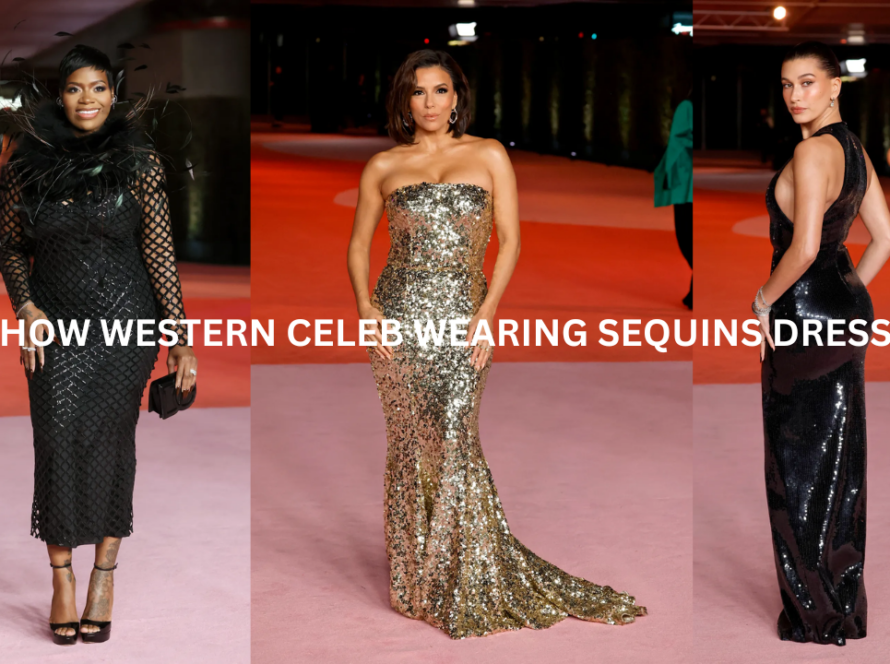
Evening events—cocktail parties, gala dinners, festive gatherings—drive consistent demand for this fabric category. Buyers seek visual drama without excessive weight. Sequins, micro-beads, and tonal threads dominate this segment.
Cultural examples abound: Diwali parties in India, Eid celebrations in the Gulf, wedding receptions in the UK. Business Insider has noted that occasionwear fabrics outperform casual textiles in margin stability, making them attractive for wholesalers and boutique owners alike.
Garment Manufacturing Usage
Garment factories utilize evening saree embroidery fabric for both domestic and export orders. Brands require consistency across dye lots, embroidery alignment, and width tolerance—usually 44–48 inches usable width.
Manufacturers supplying to Amazon Business, IndiaMART, and TradeIndia buyers must also ensure packaging standards, roll inspection reports, and shrinkage control. Bulk buyers prefer suppliers who understand downstream garment constraints.
Designers and Boutique Preferences
Designers and boutiques prioritize uniqueness with reliability. They often source smaller quantities for sampling before committing to bulk. Institutions like Parsons and Istituto Marangoni emphasize material storytelling, making embroidery origin and technique part of the design narrative.
Boutiques look for quick replenishment and design continuity, while designers value customization flexibility. This dual demand has reshaped how manufacturers present collections.
B2B Sourcing Behavior and Import Logic
B2B buyers typically compare suppliers across Alibaba, Etsy, and direct manufacturer platforms. Common pain points include inconsistent quality, high MOQs, and communication gaps.
Savvy buyers conduct swatch testing, verify GSM and embroidery density, and assess supplier responsiveness. Import habits favor suppliers who understand HS codes, documentation, and destination compliance.
Custom Manufacturing, MOQ, and Export Reliability
Custom manufacturing is increasingly non-negotiable. Buyers request color matching, motif resizing, and embroidery density adjustments. Reliable suppliers offer flexible MOQs—ranging from 1–3 meters for sampling to bulk rolls for production.
Export reliability markers include on-time dispatch, accurate packing lists, and proactive quality control. Forbes has repeatedly highlighted how supply-chain transparency builds long-term B2B trust.
Why FabricDiary and Madhav Fashion Fit Global Buyers
FabricDiary serves designers and small buyers needing low MOQs, global swatch delivery, and fast sampling. It bridges the gap between inspiration and production.
Madhav Fashion, based in Surat, caters to bulk buyers seeking factory pricing, scalable production, and export-grade compliance. Together, they represent a modern sourcing ecosystem—flexible yet industrially grounded.
FAQs
1. Can I buy small quantities for sampling?
Yes, small quantities are supported for design development.
2. Do you ship internationally?
Worldwide shipping is available with tracking.
3. What is the typical MOQ for bulk orders?
MOQs vary by fabric and customization level.
4. Are custom designs possible?
Customization is supported on select bases.
5. What fabric types are offered?
Embroidered, sequined, printed, and jacquard options.
6. What payment terms are accepted?
Standard international payment methods apply.
7. Can boutiques order without bulk commitment?
Yes, boutiques can start small and scale.
————————
Thank you for exploring this platform—one of the world’s largest B2B destinations for designer fabrics, featuring thousands of ready collections. We also publish in-depth editorial guides on fabric categories, trend intelligence, and global sourcing practices. For full-length articles or detailed insights on any of the topics listed above, feel free to reach out to us at info.fabricdiary@gmail.com.
Top Allover Evening Saree Embroidery Fabric Manufacturer in India
Premium allover evening saree embroidery fabrics developed for designers, boutiques, and exporters seeking consistent quality, trend-aligned patterns, and production-ready bulk sourcing.
Top Sequins Evening Saree Embroidery Fabric Manufacturer & Exporter
High-quality sequins evening saree embroidery fabrics produced with export standards, uniform shine, and scalable capacity—ideal for global buyers and bulk B2B procurement.
Biggest Evening Saree Embroidery Fabric Manufacturer Worldwide
Large-scale evening saree embroidery fabric manufacturing supported by advanced machinery, repeatable quality systems, and dependable supply for international garment industries.
Largest Evening Saree Embroidery Fabric Supplier in Asia
Asia-based supplier offering a wide range of evening saree embroidery fabrics with trend-forward designs, stable inventory, competitive wholesale pricing, and fast global dispatch.
Popular Zari Work Evening Saree Embroidery Fabric Exporter for Global Buyers
Export-ready zari work evening saree embroidery fabrics crafted for bridal and occasionwear brands seeking rich detailing, sourcing reliability, and smooth international logistics.
Premium Thread Work Evening Saree Embroidery Fabric Supplier & Export House
Luxury thread work evening saree embroidery fabrics designed for couture labels and premium brands requiring refined craftsmanship, fabric strength, and export-grade consistency.
Asia’s Leading Cording Work Evening Saree Embroidery Fabric Manufacturer
Innovative cording work evening saree embroidery fabrics manufactured at scale for designers and factories demanding dimensional texture, durability, and factory-direct pricing.
Top Printed Evening Saree Embroidery Fabric Manufacturer in Asia
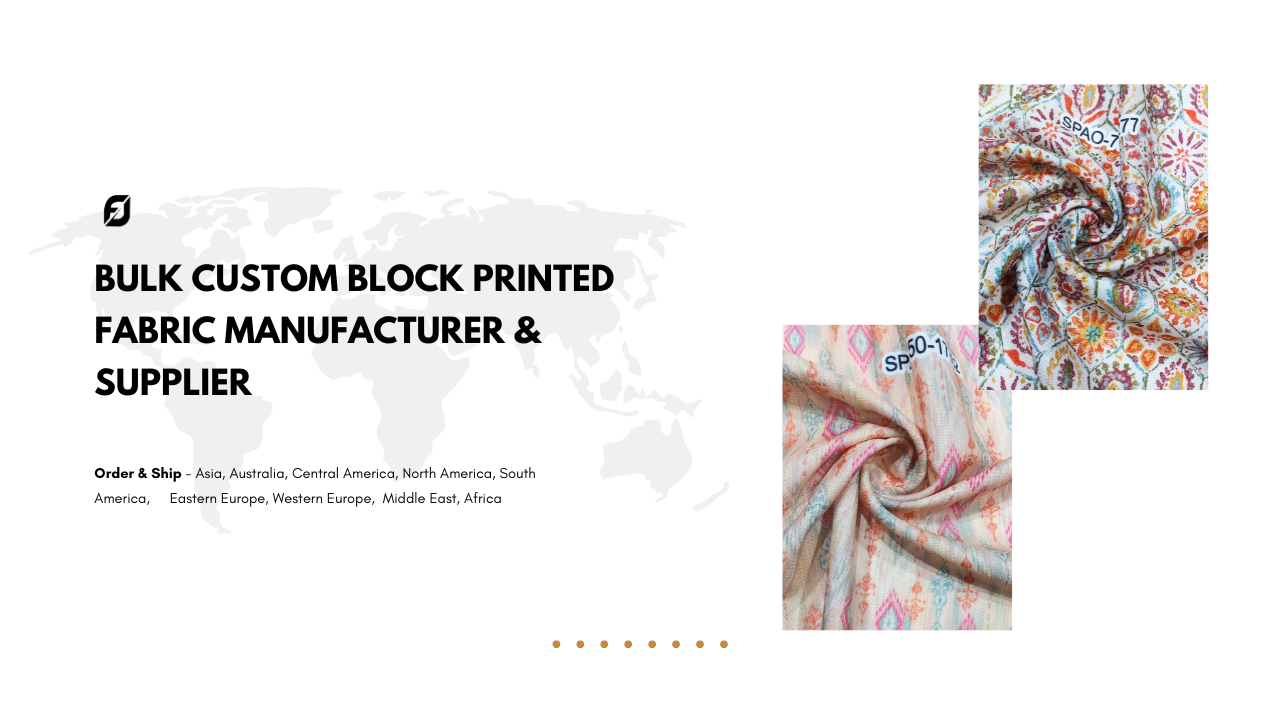
Trend-driven printed evening saree embroidery fabrics developed for garment makers and boutiques seeking contemporary designs with dependable bulk supply and global appeal.
Best Jacquard & Brocade Evening Saree Embroidery Fabric Exporter from Asia
Export-quality jacquard and brocade evening saree embroidery fabrics offering structured elegance, intricate weaving, and timely international shipping for global buyers.
Asia’s Largest Evening Saree Embroidery Fabric Exporter
High-volume exporter of evening saree embroidery fabrics with extensive design catalogs, secure packaging standards, and efficient worldwide delivery support.
Premium Evening Saree Embroidery Fabric Manufacturer in Asia
Premium-grade evening saree embroidery fabrics produced with flawless finishing, balanced embroidery density, and consistent shine quality for international fashion markets.
Shop Embroidered Fabric Online | Designer Embroidery Fabric Materials
Shop export-quality embroidered fabric materials online at wholesale pricing—ideal for designers, boutiques, and manufacturers needing customization and global shipping support.
Shop Embroidery Fabrics Online | Wholesale Designer Fabrics
Buy embroidered fabrics online in bulk with manufacturer-backed quality, trend-focused collections, and flexible sourcing for sampling and large-scale production.
Shop Designer Embroidered Fabrics Online for Global Buyers
Purchase designer embroidered fabrics online with factory pricing, low MOQs, reliable shipping, and custom design support for global fashion businesses.