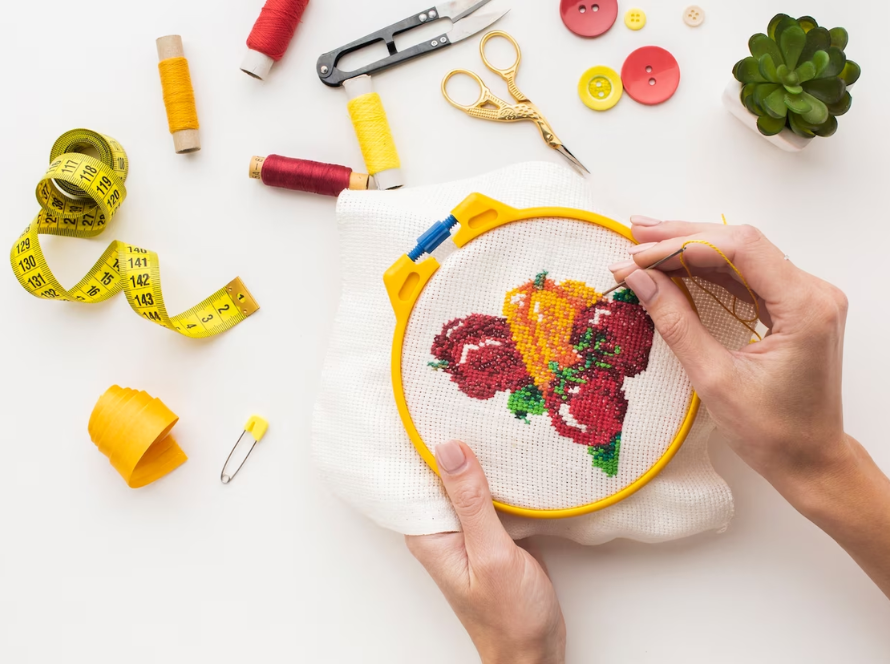



European Brands rarely buy fabric the way price-driven markets do. While cost matters, it is rarely the deciding factor. What truly guides sourcing decisions is risk avoidance, consistency, cultural alignment, and long-term production reliability.
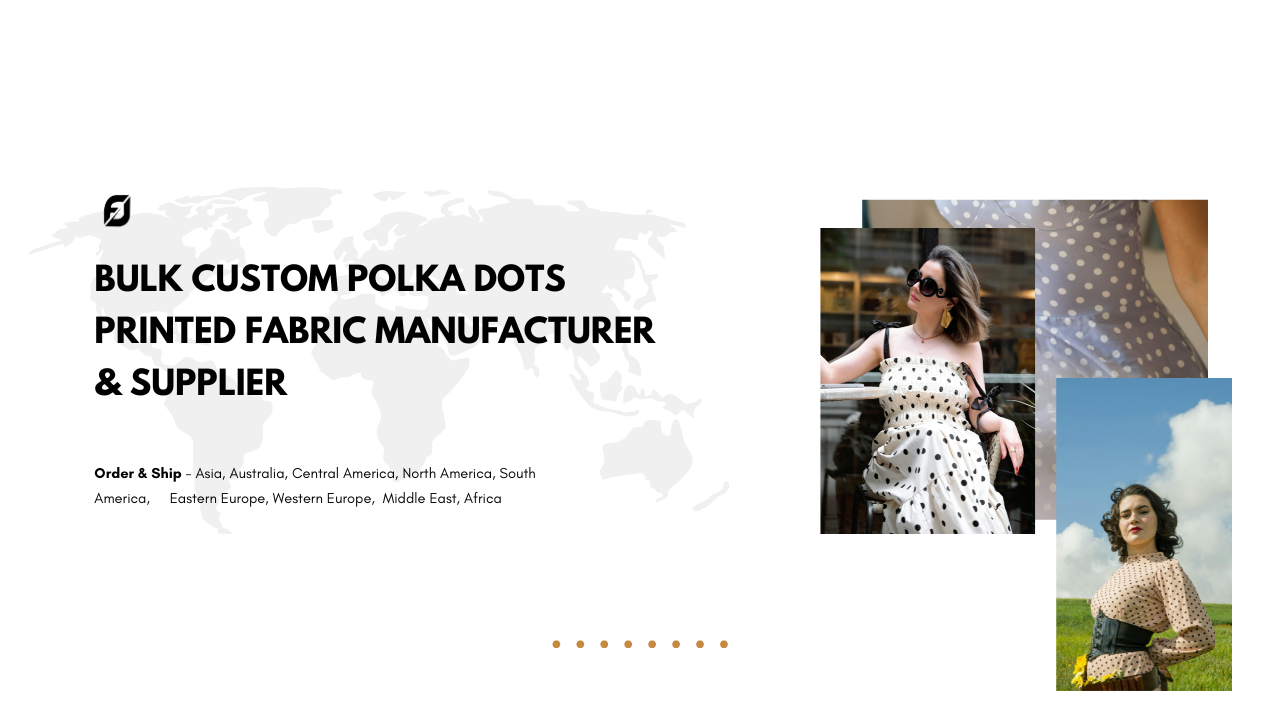
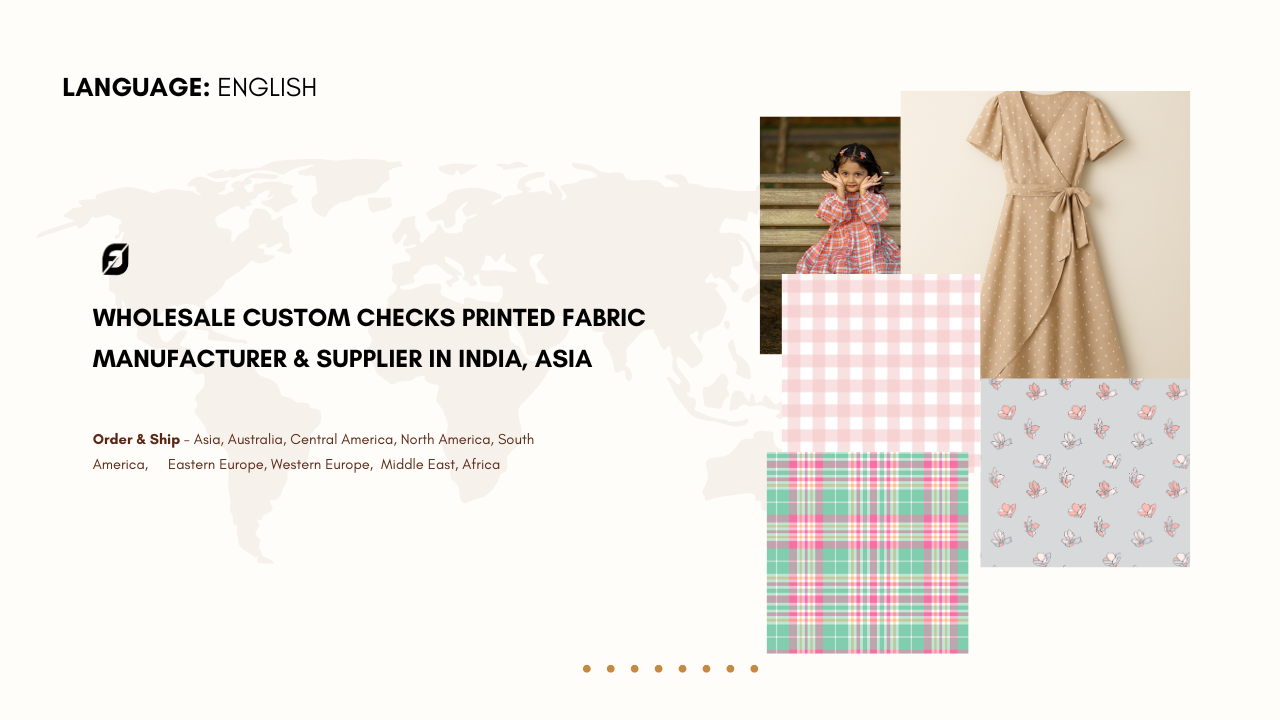
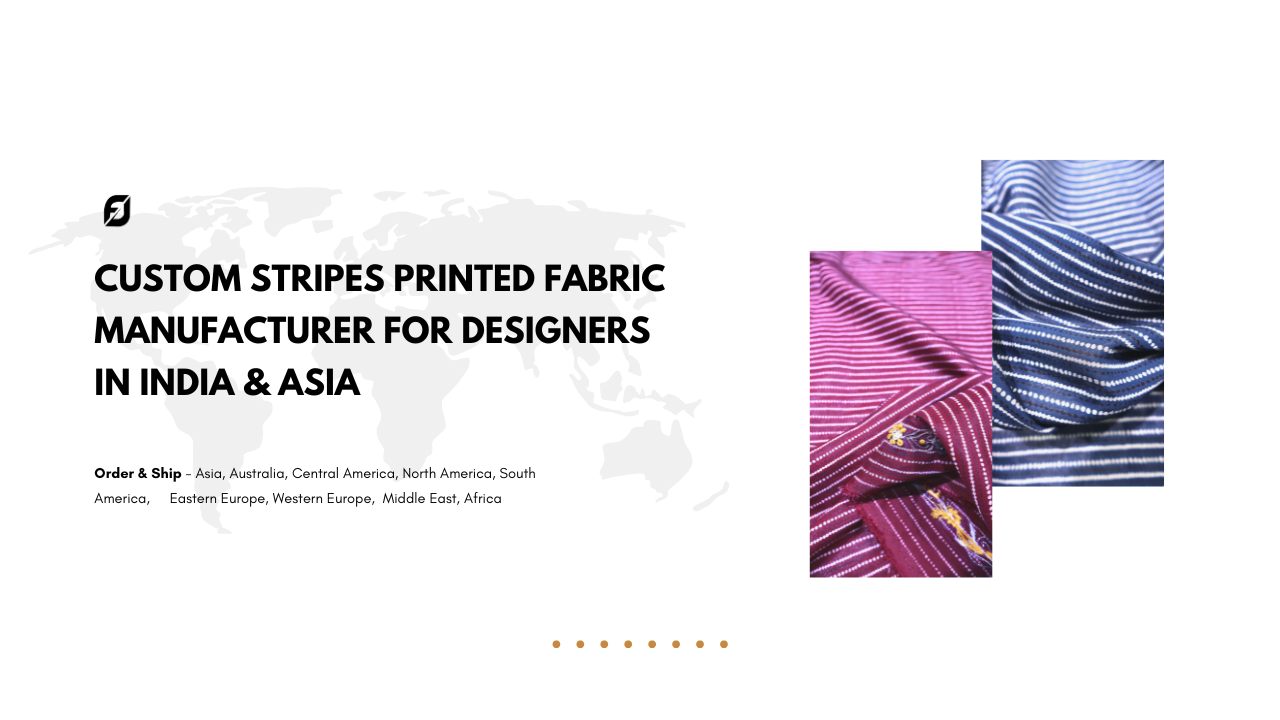
From Paris ateliers to Milan manufacturers, Amsterdam boutiques to London labels, fabric buying is treated as a strategic decision, not a transactional one. This article explains — from a manufacturer’s perspective — how European brands evaluate fabric beyond price, and why transparency, sampling, and technical clarity matter more than discounts.
How European Brands Choose Fabric Beyond Price: A Manufacturer’s View
Fabric as a Strategic Input: European Buyer Psychology
European buyers approach fabric as an extension of brand identity. Unlike trend-only markets, Europe values heritage, longevity, and performance consistency.
Psychologically, European sourcing managers are trained to ask:
- Will this fabric behave the same across 3 production runs?
- Can this supplier meet compliance without reminders?
- Will my customer complain after 10 washes?
Indian manufacturers often underestimate this mindset. In Europe, a fabric failure damages brand trust far more than a delayed collection. This is why buyers prefer suppliers who communicate limitations honestly rather than overselling.
Fabric Characteristics European Brands Admire
Climate and lifestyle shape European fabric preferences:
- Mild to cold climates require breathable but structured fabrics
- Urban lifestyles favor crease recovery, durability, and comfort
- Sustainability awareness pushes interest in low-impact dyeing and stable yarns
Technically, buyers scrutinize:
- GSM accuracy (±5% tolerance preferred)
- Yarn type (filament vs spun, combed cotton, viscose blends)
- Shrinkage control (below 3% for woven fashion fabrics)
- Color fastness (minimum Grade 4 for rubbing and washing)
A fabric that feels luxurious but fails performance tests is rejected quickly.
Fabric Variations & Fashion Influence in Europe
European fashion favors subtle complexity:
- Jacquards with restrained motifs
- Embroideries with lower density but cleaner execution
- Dyeable bases customized per collection
Commonly preferred fabrics:
- Embroidered georgette & chiffon (fine thread counts)
- Viscose and modal blends
- Lightweight jacquards
- Plain RFD fabrics for mill dyeing
Unlike India’s heavily ornamental styles, Europe values texture over excess — a principle highlighted consistently by WGSN and BOF.
Global Demand & European Sourcing Trends
According to Statista and Fibre2Fashion insights, Europe remains one of the largest importers of fashion fabrics, but sourcing behavior is shifting:
- Fewer suppliers, deeper relationships
- Smaller initial quantities with scale-up potential
- Heavy reliance on sampling before commitment
Platforms like Alibaba, IndiaMART, TradeIndia, and Amazon Business are used mainly for supplier discovery, not final decisions. Trust is built offline — through samples, calls, and factory transparency.
Bridal Wear Relevance in European Markets
While European bridalwear is less ornate than Indian weddings, fabric standards are exceptionally high.
Preferred bridal fabrics include:
- Soft tulles and nets with fine embroidery
- Satin-based jacquards
- Subtle bead or sequin work (low weight, secure stitching)
European bridal buyers focus on:
- Skin comfort
- Weight balance
- Stitch security (especially for embellishments)
A single embroidery flaw can disqualify an entire lot.
Wedding Wear Applications & Outfit Traditions
European wedding fashion varies:
- France & Italy: couture-inspired gowns
- UK: classic structured silhouettes
- Germany & Nordics: minimalism and sustainability
Fabric buyers look for:
- Clean drape
- Predictable fall
- Neutral bases (ivory, champagne, off-white)
Manufacturers must understand end-use behavior, not just fabric specs.
Partywear & Evening Wear Demand
European eveningwear is driven by:
- Cocktail culture
- Red carpet events
- Seasonal fashion weeks
Popular fabrics:
- Stretch georgettes
- Light sequins with reinforced backing
- Metallic jacquards
Here, machine choice matters:
- Schiffli embroidery machines for finesse
- Controlled stitch density to avoid stiffness
- QC checks under stage lighting, not factory light
Garment Manufacturing Usage & Brand Expectations
European garment factories expect:
- Fabric roll consistency
- Accurate cut-width
- No unexpected shade variations
Buyers prefer manufacturers who:
- Share production videos
- Allow mid-production checks
- Flag risks early
This is why many brands prefer direct manufacturers over traders.
Designers & Boutique Preferences
Designers trained at FIT, Parsons, NIFT, or Istituto Marangoni often request:
- Small quantities for sampling
- Swatches shipped internationally
- Custom embroidery tweaks
They value platforms that allow creative testing without MOQ pressure — something traditional exporters struggle to offer.
B2B Sourcing Behavior & Bulk Logic
European buyers rarely jump into bulk orders. Typical flow:
- Swatch approval
- Lab dip or embroidery sample
- Small trial order
- Scale-up
Pain points they face:
- Inconsistent communication
- Hidden production delays
- Quality mismatch vs sample
Clear timelines and honest MOQ policies reduce friction more than low pricing.
Custom Manufacturing, MOQ & Export Reliability
From a manufacturer’s perspective, European buyers appreciate:
- Custom embroidery, printing, RFD, mill dyeing
- Plain dyed or yarn-dyed options
- Secure packaging (roll packing, moisture protection)
Export expectations:
- Sea cargo for bulk, air for sampling
- Clear HS codes & documentation
- Predictable timelines (not optimistic promises)
Payment terms typically followed: 50% advance before production, balance after fabric readiness before dispatch.
Why FabricDiary & Madhav Fashion Work for Europe
FabricDiary supports:
- 1–3 meter sampling
- Designer experimentation
- Global swatch shipping
Madhav Fashion (Surat) supports:
- Bulk manufacturing
- Factory pricing
- Custom development
- Export-grade QC & packaging
Together, they offer a low-risk sourcing bridge — from creative testing to scalable production — without compromising transparency.
————
FAQs
Can I import small fabric quantities to Europe easily?
Yes. Sampling quantities can be shipped via air with proper invoices and HS codes.
What shipping methods are available?
Air cargo for samples and urgent orders; sea freight for bulk production.
What is the minimum order quantity? FabricDiary allows as low as 1 meter; Madhav Fashion handles bulk MOQs.
Can I get samples before bulk production?
Strongly recommended. Physical samples outperform technical sheets.
What fabrics are most popular with European brands?
Embroidered georgette, jacquards, viscose blends, and RFD bases.
What payment terms are standard?
50% advance before production, balance before dispatch.
Are custom designs supported? Yes — embroidery, printing, dyeing, and packaging can be customized.
————-
Thanks for exploring this article and FabricDiary — a global B2B designer fabric platform offering thousands of export-ready collections. We publish in-depth guides on embroidery fabrics, sourcing strategies, and international trade insights. For full-length articles on any topic above, email: info.fabricdiary@gmail.com
How European Brands Source Embroidery Fabric from India
European brands source embroidery fabric from India by prioritizing sampling, stitch quality, dye stability, and supplier transparency rather than price-driven bulk commitments.
MOQ Expectations for Custom Embroidery Fabric for EU Brands
Most European brands prefer low MOQs for testing embroidery density, hand feel, and color accuracy before scaling into bulk production with consistent suppliers.
RFD vs Dyed Fabric: What Works Better for the European Market
European buyers often choose RFD fabrics for control over shade, sustainability compliance, and seasonal color customization compared to pre-dyed bases.
Lead Time for Bulk Embroidery Fabric Export to Europe
Typical lead time for embroidery fabric exports to Europe ranges from 25–45 days, depending on sampling approval, embroidery complexity, and shipping mode.
Quality Standards for Embroidery Fabric in European Markets
European quality standards focus on stitch security, controlled GSM variation, low shrinkage, color fastness, and fabric behavior after repeated washing.
How European Brands Ensure Color Fastness in Embroidery Fabric
European brands validate color fastness through lab dips, wash testing, and physical samples to avoid fading, bleeding, or shade inconsistency in final garments.
RFD vs Dyed Embroidery Fabric for European Fashion Brands
RFD embroidery fabric offers European brands greater flexibility in dyeing, collection consistency, and compliance with evolving sustainability requirements.
Cotton vs Viscose Embroidery Fabric for European Summer Collections
Viscose embroidery fabrics are preferred for European summers due to breathability, drape, and softness, while cotton offers structure and natural appeal.
Machine vs Hand Embroidery Fabric: What Europe Buyers Prefer
European buyers favor machine embroidery for consistency and scalability, while limited hand embroidery is reserved for premium capsules and couture pieces.
Indian vs Turkish Embroidery Fabric: Europe Import Comparison
Indian embroidery fabric offers design versatility and customization, while Turkish fabric is valued for minimalism—European buyers select based on brand identity.
Stock Fabric vs Custom Embroidery Fabric: A Europe Buyer Guide
European brands use stock fabrics for fast delivery and custom embroidery for brand differentiation, often combining both strategies across collections.
Embroidery Fabric Production Process for Export to Europe
Export-ready embroidery fabric production includes base weaving, embroidery planning, controlled stitching, quality checks, and secure packaging for transit.
Shipping & Documentation for Embroidery Fabric Exports to Europe
Successful Europe exports require accurate HS codes, invoices, packing lists, and secure roll packaging, with air or sea freight based on urgency.
Why European Brands Prefer Transparent Fabric Manufacturers
European buyers value manufacturers who offer live production updates, honest timelines, physical sampling, and predictable quality across repeat orders.