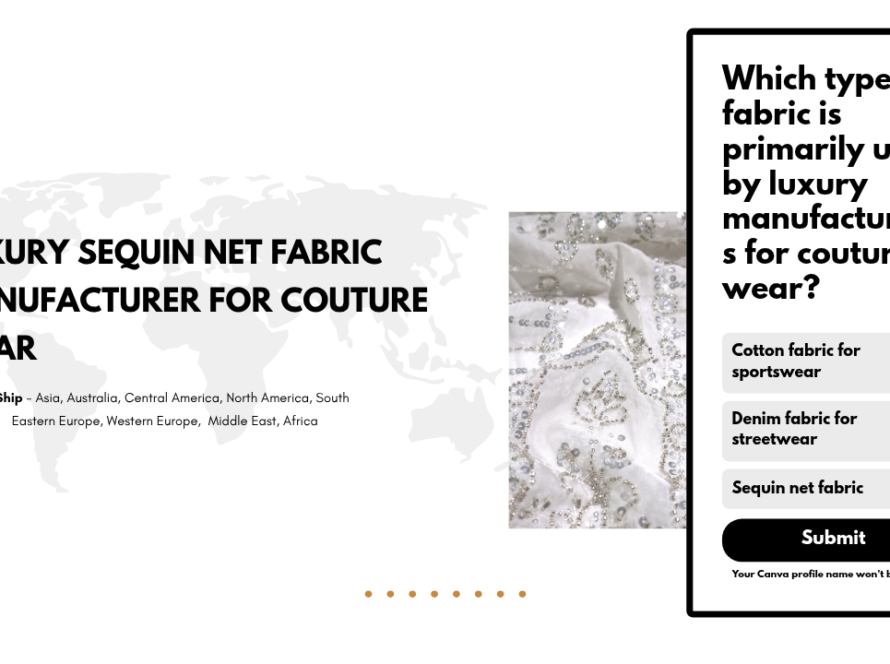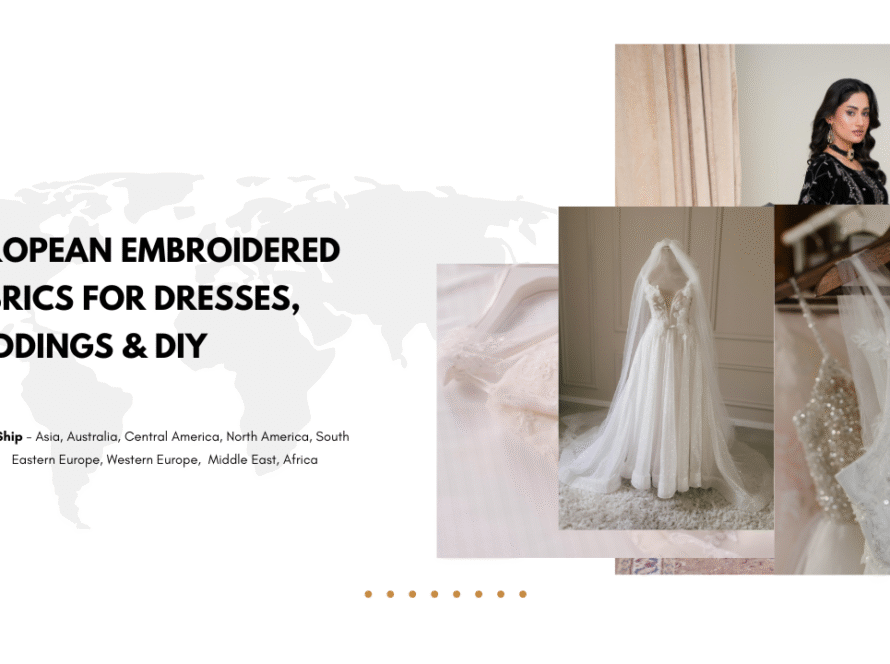



The couture fabric trade has evolved into a cross-cultural industry where bridal aesthetics from Mumbai, Jakarta, Ho Chi Minh City, Bangkok, Kuala Lumpur, and Manila increasingly influence each other through social media, luxury retail, celebrity weddings, and export-led garment manufacturing. Among the textile categories driving this exchange, bridal sequin embroidery fabrics occupy a particularly strategic position because they combine ceremonial symbolism with commercial versatility. For garment factories and couture brands, the category represents more than ornamentation; it functions as a high-margin textile segment capable of supporting premium pricing, limited-edition capsule collections, and customized bridal programs across regional markets.
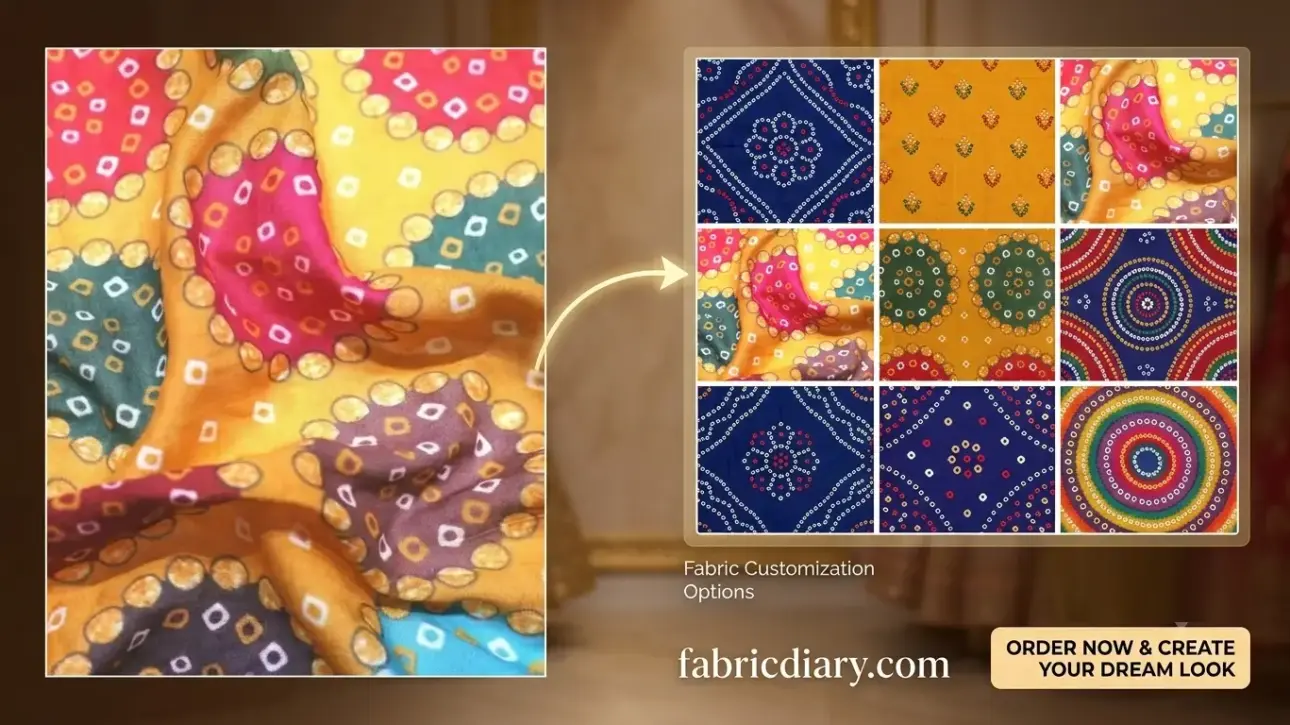
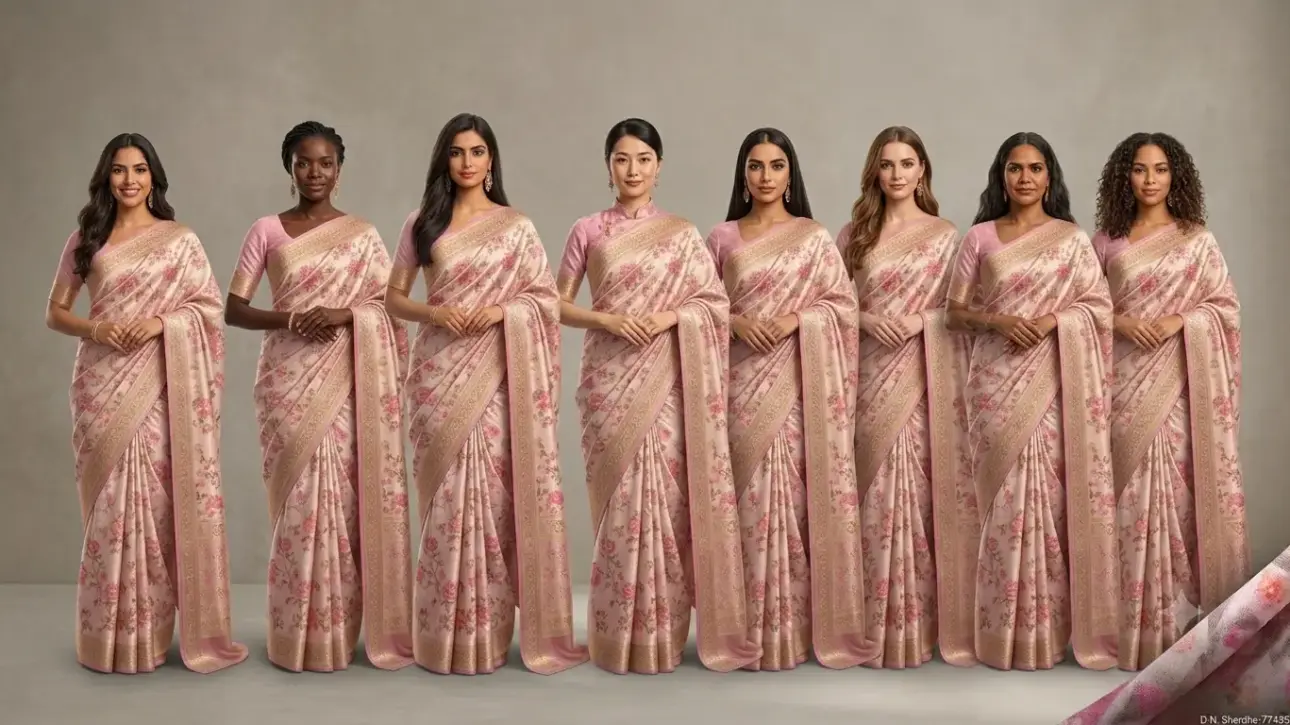
Indian embroidery manufacturers have emerged as major suppliers for Southeast Asian couture ecosystems because of their ability to combine artisanal detailing with industrial-scale production. Bridal sequin embroidery fabric manufacturers operating with lace, net, and georgette bases between 120–180 GSM now supply buying houses, luxury boutiques, occasionwear labels, and private-label designers that require consistency across repeat orders. Unlike fast-fashion embellishment programs, bridal sequin fabrics demand precision in embroidery density, sequin alignment, thread durability, and finishing stability because couture silhouettes expose every technical imperfection under stage lighting, wedding photography, and ceremonial movement.
Bridal Sequin Embroidery Fabric Manufacturer for Couture Wear Markets
Trade publications such as Textile Today and Fibre2Fashion frequently highlight how embellished textiles continue to anchor premium ethnic and ceremonial apparel across Asia. At the same time, institutions including NIFT, Parsons, FIT New York, and Istituto Marangoni increasingly frame embroidery as both a heritage craft and a contemporary luxury language. This dual positioning explains why bridal sequin embroidery fabric sourcing has become deeply strategic for global buyers seeking differentiated collections with emotional and cultural relevance.


What Is Bridal Sequin? Craft, Culture and Global Appeal
Bridal sequin embroidery fabric refers to embellished textiles constructed on lace, net, or georgette bases where sequins are integrated through advanced embroidery systems to create ceremonial and couture-focused surfaces. Unlike commodity sequin textiles produced for low-cost partywear, bridal-grade sequin embroidery prioritizes dimensional texture, motif symmetry, drape retention, and reflective balance. The category spans tonal ivory embroideries for Western bridalwear, champagne geometric layouts for Southeast Asian evening couture, and richly embellished scarlet or gold surfaces used in South Asian wedding ensembles.
In Southeast Asia, bridal fashion culture increasingly blends traditional attire with international couture influences. Indonesian kebaya designers combine sequin embroidery with sheer net structures for structured ceremonial silhouettes, while Malaysian and Singaporean boutiques frequently source lightweight georgette embroidery bases for modest luxury wear. Vietnamese couture houses often favor pastel embellishment palettes with restrained shimmer, whereas Filipino bridalwear designers lean toward luminous bead-and-sequin combinations inspired by pageantry aesthetics. Bridal sequin fabrics therefore operate across multiple cultural identities while maintaining strong commercial consistency.
The global appeal of bridal sequins is also tied to photography culture. Wedding garments today are designed not only for live ceremonies but also for cinematic digital presentation across Instagram, Pinterest, bridal editorials, and luxury retail campaigns. Publications such as Vogue and Harper’s Bazaar routinely feature couture collections where embroidery surfaces function as visual storytelling devices rather than simple decoration. Buyers sourcing bridal sequin fabrics consequently evaluate how sequins react under flash photography, ambient lighting, and movement rather than focusing solely on embroidery coverage.
For exporters, this means manufacturing decisions must account for cultural nuance. Floral motifs preferred in Indian bridalwear may require reinterpretation for Southeast Asian clients who favor cleaner geometric layouts or softer botanical compositions. Successful bridal sequin embroidery manufacturers therefore maintain flexible design libraries capable of adapting motifs, stitch density, and colorways according to regional buying psychology.
Bridal Sequin Characteristics That Define Premium Quality
Premium bridal sequin embroidery fabrics are distinguished by technical consistency rather than surface sparkle alone. The first benchmark involves embroidery density, which determines how uniformly sequins and threadwork distribute across the textile surface. Overcrowded embroidery compromises drape and garment comfort, while sparse layouts fail to create couture-level depth. Manufacturers operating in the 120–180 GSM range typically calibrate embroidery density carefully to maintain structural elegance without excessive garment weight.


Yarn quality is equally critical because low-grade threads create fraying, needle breakage, and inconsistent tension during garment construction. High-end bridal sequin manufacturers generally employ polyester filament embroidery yarns with superior sheen retention and abrasion resistance. Metallic yarn integration requires additional engineering because friction between sequins and metallic fibers can compromise stitch stability if not properly tensioned during machine embroidery.
Machine technology significantly affects output quality. Multi-head computerized embroidery systems capable of precision sequin attachment allow manufacturers to maintain repeatability across large export programs. Schiffli-inspired detailing, cording effects, satin stitch layering, and micro-sequin placements are frequently used to create couture depth. Advanced factories additionally utilize laser-guided alignment systems to reduce motif distortion across wider fabric widths, particularly important for bridal panel cutting.
Quality control standards in premium bridal embroidery production extend beyond visual inspection. Export-oriented manufacturers conduct colorfastness testing, embroidery pull testing, shrinkage evaluation, and wash durability checks to ensure consistency across global supply chains. Finishing techniques such as softening, anti-static treatment, and calibrated rolling processes also contribute to garment performance, especially for couture wear requiring fluid drape and long ceremonial usage.
Bridal Sequin Varieties — Global Colorways and Textures
Color psychology plays a defining role in bridal sequin sourcing. Across Southeast Asia, champagne gold, muted rose, ivory silver, nude beige, and pearl white remain dominant because they align with contemporary luxury aesthetics while accommodating regional modest-fashion trends. Indian bridal buyers continue to source richer maroons, deep reds, emerald tones, and antique gold palettes for lehengas and ceremonial ensembles, but export demand increasingly favors softened neutral luxury palettes.
Texture differentiation has become equally important in B2B purchasing decisions. Buyers no longer seek uniformly flat embroidery surfaces because couture consumers associate dimensionality with craftsmanship. Manufacturers therefore develop layered sequin programs combining matte sequins, translucent sequins, metallic accents, and thread relief embroidery to create movement and visual depth. Net-based bridal sequins typically support lightweight transparency and dramatic layering, while georgette bases provide smoother drape for gowns and occasion dresses.
Lace-based bridal sequins continue to attract premium boutique clients because lace naturally communicates heritage craftsmanship. Southeast Asian couture brands frequently pair embroidered lace fabrics with detachable capes, veils, structured sleeves, and layered modestwear constructions. The rise of fusion bridalwear has further expanded demand for fabrics capable of adapting across silhouettes ranging from corseted gowns to contemporary sari-inspired drapes.
Global trend forecasting agencies such as WGSN and BOF regularly observe that consumers increasingly prefer tactile luxury over aggressive embellishment. This shift explains the growing demand for tonal sequin embroidery where shine remains sophisticated rather than overpowering. Manufacturers responding successfully to this evolution prioritize embroidery refinement and texture engineering rather than excessive ornamentation.
Global Sourcing Demand: Why Buyers Choose Bridal Sequin
International buyers source bridal sequin embroidery fabrics from India because the manufacturing ecosystem combines craftsmanship depth with scalable production economics. Surat-based embroidery clusters, in particular, have built strong export relationships through integrated supply chains involving yarn suppliers, dyeing units, embroidery houses, finishing facilities, and logistics operators. This ecosystem reduces production delays while allowing manufacturers to accommodate custom developments efficiently.
For Southeast Asian importers, pricing flexibility remains important but consistency matters more. Bridal boutiques cannot risk receiving mismatched repeat lots because bridalwear orders often involve coordinated production schedules across fittings, ceremonies, and custom tailoring stages. Procurement officers therefore prefer manufacturers capable of maintaining repeat shade accuracy and embroidery continuity over multiple shipment cycles.
Digital sourcing behavior has also transformed the category. Buyers increasingly discover suppliers through platforms such as Alibaba, IndiaMART, TradeIndia, Fibre2Fashion, Etsy, and Amazon Business before transitioning to direct manufacturer relationships. However, experienced sourcing agents recognize that digital catalog images rarely reveal embroidery quality accurately. Consequently, swatch programs and sample yardage services have become essential trust-building mechanisms within the bridal sequin trade.
FabricDiary.com addresses this need by supporting low-volume sampling and swatch access for designers, boutiques, and emerging labels evaluating couture embroidery programs before larger procurement commitments. Meanwhile, MadhavFashion.com focuses on scalable B2B production, custom manufacturing, and export-oriented bulk fulfillment for established buyers requiring production continuity.
Bridal Sequin in Bridal and Ceremonial Couture Worldwide
Ceremonial couture remains deeply rooted in cultural identity, which is why bridal sequin embroidery fabrics continue to sustain long-term demand despite rapid fashion cycles. In South Asia, heavily embroidered bridalwear symbolizes prosperity, celebration, and familial prestige. In Southeast Asia, ceremonial attire often balances modesty with glamour, leading designers to favor fabrics that create visual richness without excessive garment bulk.
Indonesian bridalwear increasingly incorporates embellished sheer overlays inspired by international runway couture while preserving local silhouette traditions. Malaysian reception gowns frequently utilize lightweight embroidered georgette fabrics that support elegant movement during multi-event wedding celebrations. Singapore’s luxury bridal boutiques, influenced by both Asian and European couture aesthetics, often prioritize refined ivory embroidery with delicate shimmer effects suited to minimalist luxury styling.
The couture market additionally benefits from destination weddings and multicultural ceremonies. Brides increasingly commission multiple looks spanning traditional rituals, contemporary receptions, and editorial-inspired photography sessions. This diversification expands demand for versatile bridal sequin fabrics capable of functioning across distinct garment categories without losing luxury appeal.
Fashion journalism from Business Insider and Forbes frequently highlights how experiential luxury increasingly shapes consumer spending patterns. Bridalwear aligns perfectly with this psychology because consumers perceive ceremonial garments as emotional investments rather than disposable fashion purchases. Consequently, couture brands sourcing premium embroidery fabrics often achieve stronger margins and greater customer loyalty than brands competing solely on trend-driven pricing.
Wedding and Occasion Wear Featuring Bridal Sequin
Beyond bridal gowns themselves, bridal sequin embroidery fabrics now dominate adjacent occasionwear categories including bridesmaid dresses, engagement ensembles, modest formalwear, reception gowns, evening kaftans, and ceremonial jackets. Southeast Asian fashion retailers increasingly build coordinated wedding capsules where embroidery themes extend across entire wedding parties rather than focusing exclusively on the bride.
The versatility of lace, net, and georgette bases allows manufacturers to support varied garment engineering requirements. Lightweight georgette embroidery supports flowing draped silhouettes favored in humid tropical climates, while structured net embroidery enhances architectural couture garments designed for dramatic presentation. Lace bases, meanwhile, remain essential for heritage-inspired couture where texture layering contributes to artisanal storytelling.
Color coordination remains particularly important in occasionwear sourcing. Boutiques frequently require synchronized embroidery programs across multiple shades for coordinated wedding styling. Manufacturers capable of maintaining embroidery consistency across expanded color ranges gain significant competitive advantage because buyers prefer consolidated sourcing relationships over fragmented procurement.
Luxury eveningwear brands also increasingly integrate bridal-grade embellishments into red-carpet-inspired occasionwear collections. The overlap between bridal couture and evening fashion has therefore expanded embroidery demand beyond traditional wedding seasons, helping manufacturers stabilize production cycles throughout the year.
Bridal Sequin in Evening Wear and Luxury Fashion
Luxury fashion increasingly embraces embellishment as a marker of craftsmanship authenticity. Consumers exposed to minimalist fast fashion now seek tactile, emotionally resonant garments that communicate artistry and exclusivity. Bridal sequin embroidery fabrics align closely with this shift because they visibly demonstrate labor intensity, design complexity, and surface sophistication.
Eveningwear designers frequently adapt bridal sequin textiles into cape gowns, corseted dresses, luxury abayas, and structured cocktail silhouettes. Southeast Asian luxury retailers particularly favor understated shimmer aesthetics where sequins enhance fabric movement rather than overpower garment structure. This preference encourages manufacturers to experiment with tonal embroidery and nuanced reflective layering.
Editorial influence remains powerful within this segment. Runway analysis from Vogue and BOF consistently demonstrates how couture embellishment techniques migrate into premium ready-to-wear categories. Buyers therefore monitor international fashion weeks carefully before developing seasonal sourcing plans. Embroidery manufacturers that maintain active trend intelligence capabilities can respond faster to evolving aesthetic preferences.
The luxury fashion segment also places strong emphasis on finishing quality. Couture designers require fabrics with clean reverse surfaces, stable embroidery anchoring, and refined edge finishing because these details affect tailoring precision. Manufacturers supplying luxury buyers consequently invest heavily in inspection protocols and finishing infrastructure.
Garment Brands and Factories That Rely on Bridal Sequin
CMT factories and export garment units increasingly depend on reliable bridal sequin fabric suppliers because embellished couture production leaves little margin for textile inconsistency. Production delays caused by embroidery defects, shade mismatches, or unstable fabric widths can disrupt delivery schedules for entire bridal collections. Consequently, sourcing managers prioritize supplier reliability as heavily as pricing.
Private-label fashion brands serving Southeast Asian bridal retailers often require semi-custom embroidery programs developed around seasonal mood boards. Manufacturers capable of translating visual references into commercially scalable embroidery layouts gain long-term buyer loyalty. This process demands technical collaboration between design teams, embroidery programmers, merchandisers, and garment engineers.
Boutique couture labels face different challenges. Unlike mass-market brands, boutique businesses frequently operate with lower MOQs while requiring exceptional exclusivity. They may request limited-edition motifs, unconventional color combinations, or embroidery modifications tailored to niche customer preferences. Suppliers supporting flexible customization models therefore attract premium boutique clients despite smaller order volumes.
Madhav Fashion has strengthened its B2B positioning by balancing large-scale production capabilities with development-oriented service structures. This combination appeals to buyers seeking dependable manufacturing support without sacrificing design adaptability.
What Designers and Boutiques Need From Bridal Sequin
Designers and couture boutiques increasingly expect textile suppliers to function as creative collaborators rather than transactional vendors. They require transparent communication regarding embroidery feasibility, lead times, base fabric behavior, and customization limitations. Suppliers unable to provide technical guidance often struggle to maintain long-term relationships with fashion-forward buyers.
Color matching represents one of the most persistent sourcing concerns within bridal sequin manufacturing. Boutique clients commonly request embroidery shades coordinated precisely with existing bridal palettes, ceremonial themes, or brand identities. Even minor shade variations can compromise collection cohesion. Advanced manufacturers therefore maintain detailed dye lot controls and archival sampling systems to support repeat consistency.
Minimum order quantities create another major challenge, particularly for emerging couture labels. Smaller brands may need development flexibility before scaling into larger production runs. FabricDiary.com supports this segment through accessible sampling and low-meter purchasing options that allow designers to test drape, tailoring compatibility, and visual impact before committing to bulk sourcing.
A Southeast Asian boutique scenario illustrates this dynamic clearly. A Kuala Lumpur-based modest couture label sourcing embellished net fabrics for wedding capsules initially struggled with inconsistent embroidery quality from fragmented suppliers. Through coordinated sampling, customized embroidery adaptation, and repeat shade management, the brand transitioned toward a stable sourcing model with Indian manufacturing partners capable of supporting both exclusivity and scalability.
B2B Sourcing: MOQ, Import Logic and Buying Cycles
Bridal sequin sourcing operates on relationship-driven procurement cycles rather than purely transactional buying behavior. Buyers often begin with swatch evaluations, move toward sampling phases, and eventually establish seasonal production agreements once supplier reliability is verified. This process can extend over multiple collection cycles because couture businesses prioritize trust and consistency.
MOQ flexibility significantly influences supplier selection. Large wholesalers may procure extensive meterage programs for regional distribution, while boutiques and emerging labels require lower entry thresholds. Manufacturers capable of segmenting services between sampling platforms and bulk export structures create stronger market accessibility across buyer categories.
Import logic also varies across Southeast Asian markets. Buyers in Singapore and Malaysia frequently prioritize speed, documentation accuracy, and premium finishing consistency. Indonesian importers may focus more heavily on embroidery versatility and scalable production support for local tailoring ecosystems. Vietnamese buyers often emphasize trend alignment and lightweight textile adaptability for modern couture styling.
Export-ready manufacturers therefore invest in coordinated logistics systems, accurate packing protocols, and responsive merchandising communication. Commercial invoices, packing lists, HS code accuracy, and shipment tracking become essential operational components rather than administrative afterthoughts.
Custom Bridal Sequin Manufacturing and Export Compliance
Customization has become central to bridal sequin manufacturing because couture buyers increasingly seek exclusivity within highly competitive retail environments. Manufacturers now develop proprietary motifs, customized sequin placements, and region-specific embroidery layouts tailored to individual client strategies. This shift requires stronger coordination between CAD teams, embroidery technicians, and production merchandisers.
Export compliance additionally shapes supplier credibility within international markets. Buyers sourcing bridal fabrics for regulated retail environments increasingly request testing documentation related to colorfastness, restricted chemicals, and fiber composition transparency. Manufacturers serving serious export clients therefore maintain structured compliance procedures integrated into production workflows.
Finishing standards also influence export acceptance rates. Embroidery stabilization, thread trimming precision, and defect inspection directly affect garment manufacturing efficiency for overseas clients. Factories producing couture garments cannot absorb excessive textile wastage caused by poor finishing quality.
Madhav Fashion’s export-oriented manufacturing structure addresses these operational expectations through scalable embroidery infrastructure, custom development capabilities, and international shipment coordination. Such capabilities become particularly valuable for buyers balancing couture-level aesthetics with commercial production realities.
Why FabricDiary and Madhav Fashion Lead in Bridal Sequin
The bridal sequin embroidery market increasingly rewards suppliers capable of combining design sensitivity with operational discipline. Buyers today expect rapid communication, reliable customization, transparent sampling systems, and export-ready production support. Suppliers functioning solely as commodity textile vendors struggle to meet these evolving expectations.
FabricDiary.com serves the exploratory and developmental side of couture sourcing by enabling swatch access, low-meter sampling, and design evaluation. This structure supports fashion students, boutique designers, stylists, and emerging labels seeking flexibility before scaling production commitments. Sampling accessibility reduces sourcing risk while improving buyer confidence during collection development stages.
MadhavFashion.com addresses the industrial side of the market through bulk manufacturing, private-label support, custom embroidery development, and international export operations. Its positioning aligns particularly well with garment manufacturers, wholesalers, procurement teams, and sourcing agencies requiring repeatability across larger production programs.
As couture fashion continues to evolve across Southeast Asia and global ceremonial markets, bridal sequin embroidery fabrics will remain central to premium occasionwear storytelling. Manufacturers capable of balancing craftsmanship authenticity with modern production discipline are positioned to shape the future of luxury textile sourcing. For buyers seeking dependable bridal sequin embroidery manufacturing with scalable export capability, Madhav Fashion represents a sourcing partner built around long-term industry collaboration rather than short-term textile transactions.
Contact Madhav Fashion for Bridal Sequin Fabric Sourcing
For couture-grade bridal sequin embroidery fabrics developed on lace, net, and georgette bases, Madhav Fashion supports global buyers with custom manufacturing, export-ready production, and scalable B2B fulfillment. Buyers seeking swatches, sample cuts, or low-meter evaluation can begin through FabricDiary.com before transitioning into bulk procurement programs with Madhav Fashion’s production teams.
——
FAQs
Q1: MOQ for Bridal Sequin Embroidery Fabric Manufacturer from Madhav Fashion
Madhav Fashion supports flexible MOQ structures depending on embroidery complexity, customization level, and export destination. Standard bulk programs are available for wholesalers, garment factories, and buying houses, while sampling and lower-meter evaluations can be accessed through FabricDiary.com.
Q2: International shipping for small bridal sequin orders
Yes, international shipping is available for small bridal sequin embroidery fabric orders. Buyers from Southeast Asia, the Middle East, Europe, and other global markets can request sample shipments, swatches, and development quantities before confirming larger production orders.
Q3: How to order samples before bulk purchase
Buyers can request swatches or small sample cuts through FabricDiary.com to evaluate embroidery density, colorways, fabric drape, and surface finishing. Once approved, bulk manufacturing and export coordination can proceed through Madhav Fashion.
Q4: Custom color/design for bridal sequin
Madhav Fashion offers custom bridal sequin embroidery development including exclusive motifs, tailored color palettes, sequin variations, and embroidery adjustments based on buyer mood boards or garment requirements.
Q5: Payment terms for international buyers
Payment terms generally depend on order scale, customization requirements, and buyer history. International buyers commonly work through advance payment structures, milestone-based production terms, or mutually agreed export payment arrangements.
Q6: Export documents provided with shipments
Export shipments typically include commercial invoices, packing lists, shipping documentation, HS code details, and other required export compliance paperwork needed for customs clearance and international logistics processing.
Q7: FabricDiary (sampling) vs Madhav Fashion (bulk)
FabricDiary.com is structured for swatches, low-meter sampling, and design exploration, making it suitable for boutiques, designers, and small development projects. Madhav Fashion focuses on bulk manufacturing, custom embroidery production, B2B sourcing, and global export fulfillment.