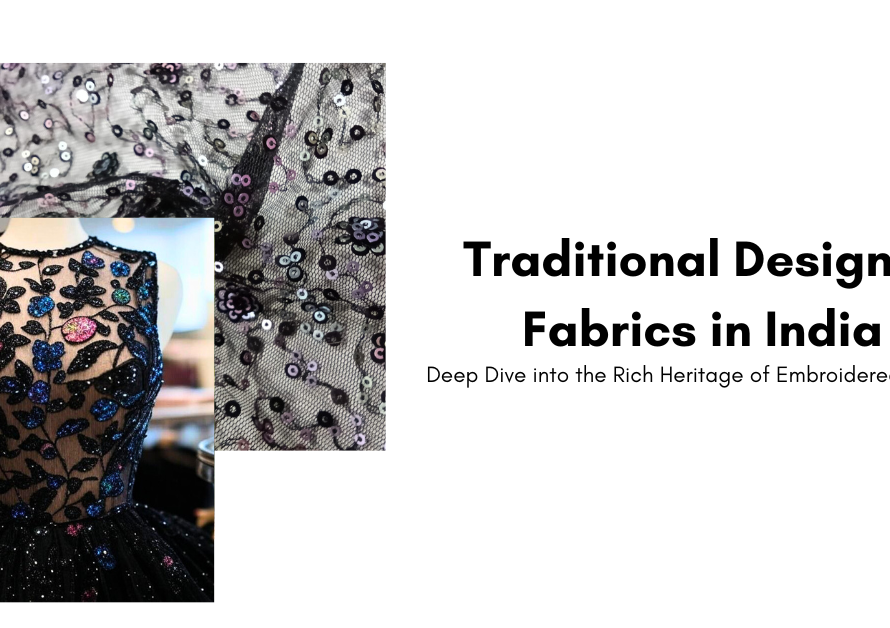



Every era of fashion has one craft that refuses to fade—one ornamentation that does not merely decorate a garment but transforms it into an object of emotion, heritage, and quiet extravagance. Mirror work embroidery, with its almost alchemical relationship between light, shadow, and texture, belongs to that rare category.
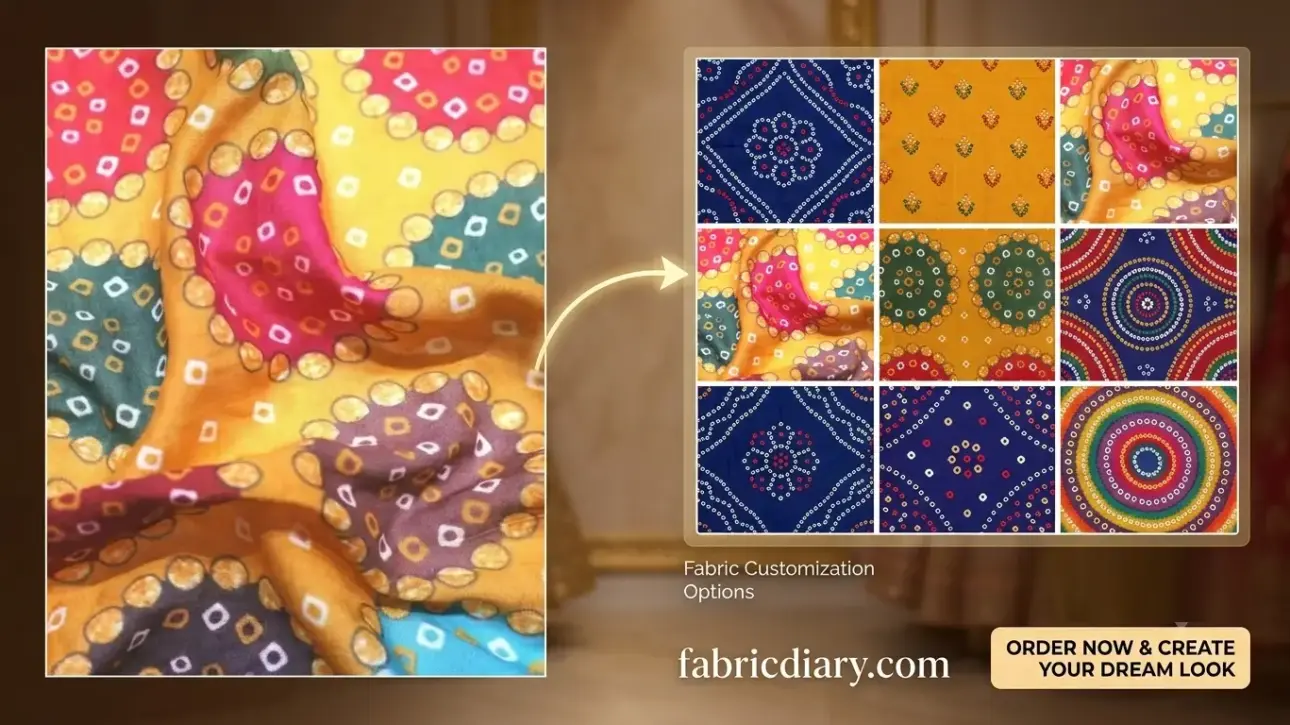
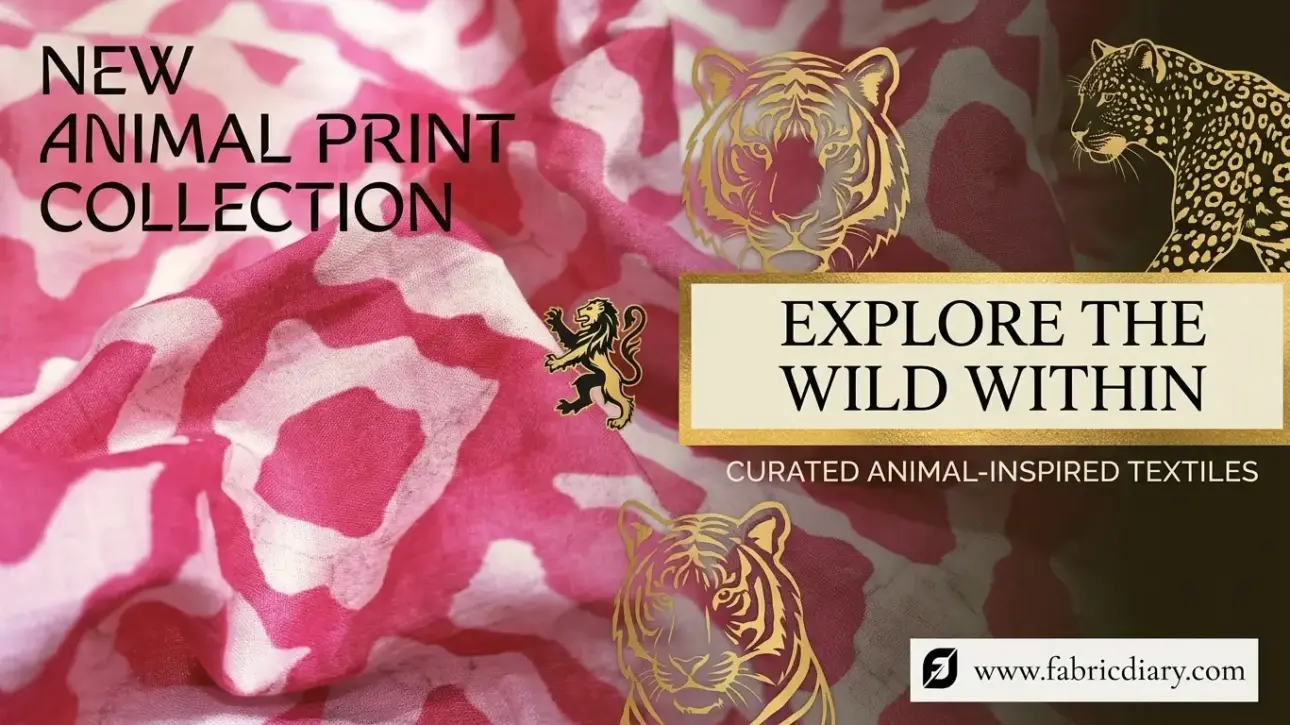
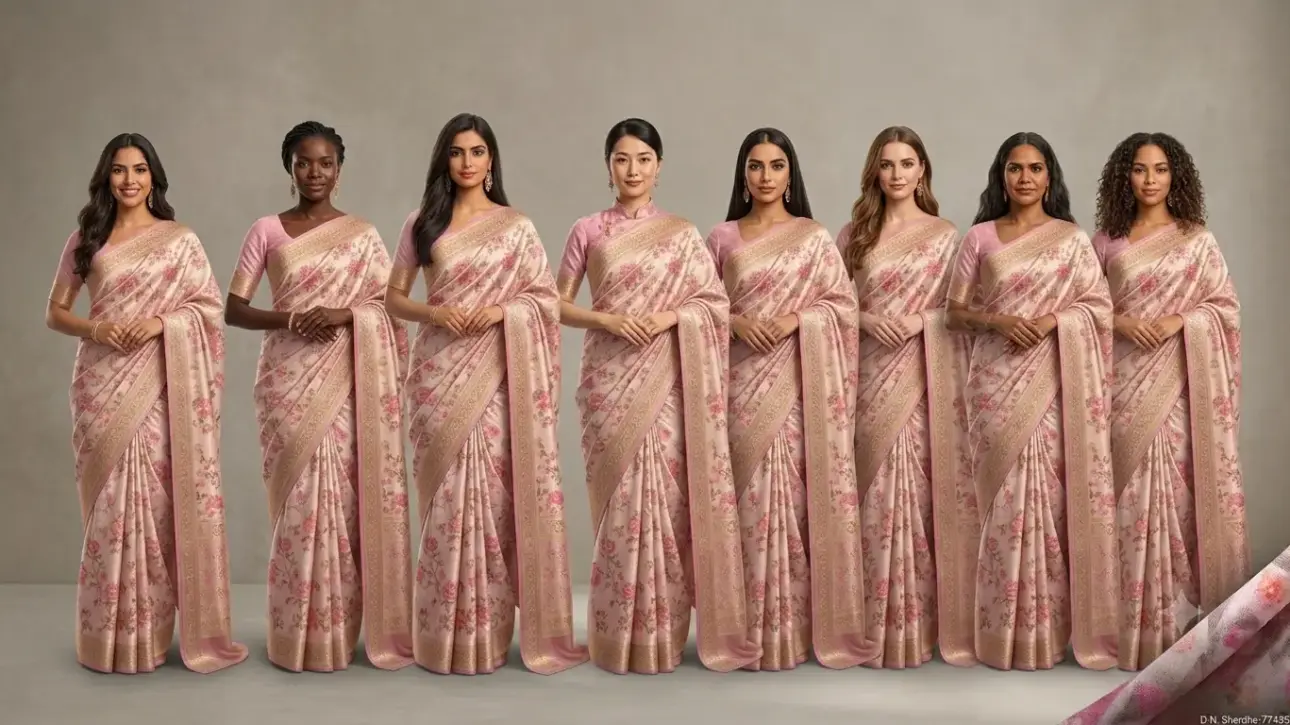
In a world driven by digital speed, mirror work stands as a reminder that luxury is not the absence of time—it is the investment of it. And nowhere is this philosophy more alive than in India, the global heartland of artisanal textile brilliance. Today, as the demand for aspirational dressing rises from Mumbai to Milan, Lagos to London, Sydney to Seoul, designers and apparel brands are rediscovering the extraordinary versatility and visual power of mirror work fabrics for luxurious outfit creation.
Wholesale Mirror Work Embroidery Fabric for Luxurious Outfit Creation
But mirror work is not simply a decorative flourish—it is a storytelling language, a cultural signature, a centuries-old craft reimagined for the global market. As the fashion world returns to embellishment, maximalism, and handcrafted detail, mirror work fabrics have become one of the fastest-growing categories in couture, bridal, ethnic fusion wear, global resort wear, luxury prêt, and cinematic costume design. And at the center of this growth stands India’s vast embroidery ecosystem—spanning Surat, Jaipur, Kutch, and the craft clusters of Gujarat and Rajasthan—supported by contemporary suppliers like FabricDiary and the manufacturing powerhouse Madhav Fashion.
Why Mirror Work Matters in the New Luxury Economy
Luxury today has changed. The old codes—minimalism, muted palettes, rigid structures—are giving way to expressive identity, global cultural appreciation, craft-led fashion, and personalized extravagance. When global fashion reports from Forbes, Vogue Business, and the Business of Fashion highlight the rise of “New World Luxury,” they point to one truth: consumers are no longer buying garments; they are buying meaning, story, craft, and individuality. Mirror work fulfills all four.
The visual allure is obvious. Tiny mirrors scatter light like sequins but carry more depth, more soul. They do not shine uniformly—they glimmer unpredictably, creating a rhythm with the body’s movement. Unlike industrial embellishments, mirror work has a human fingerprint. Every stitch, every anchor, every small reflective shard is placed with intent, turning fabric into a living canvas. For designers and manufacturers in India and beyond, mirror work offers something rare: affordable glamour with artisanal credibility. This combination is why the craft is rapidly becoming a favorite among luxury houses, boutique studios, private-label apparel manufacturers, and celebrity stylists.
Intricate threads & premium texture Printed Fabric
Creative, colorful & always trending Position Printed Fabric
Perfect alignment for standout looks Jacquard Fabric
Rich textures with woven luxury Plain Dyeable (RFD)
Customize colors, your way Pure Dyed Fabrics
Ready-to-stitch brilliance Designer Dupattas
From shimmer to sheer elegance Ready Stocks
Quick ship fabrics in bulk Kurti Fabrics
Comfort meets tradition New Arrivals
Fresh drops, every week
India: The Cultural Capital of Mirror Work Craftsmanship
To understand mirror work’s global rise, one must understand India’s relationship with it. For centuries, mirror work—locally known as shisha, abhla bharat, or kacchi mirror work—has been deeply tied to identity, tradition, celebration, and craftsmanship. Gujarat’s Kutch region, Rajasthan’s desert communities, and the artisan clusters near Jaipur and Bikaner have perfected this art over generations. They believed mirrors could repel negative energy; today, those same mirrors invite global admiration.
India’s mirror work is not one craft—it is a universe of variations:
- Kutch mirror work with dense, geometric layouts
- Rajasthani mirror embroidery with colorful thread borders
- Foil mirror fusion work combining metallic foiling + mirrors
- Chikankari mirror work, merging Lucknow’s finesse with sparkle
- Georgette mirror work for flowing luxury silhouettes
- Modern machine-backed mirror fabrics for large-scale production
This duality—heritage + scalability—is what positions India as the largest global hub for mirror work fabrics.
The Global Market Shift: Why Mirror Work Is Booming Worldwide
Across continents, the fashion market is undergoing a shift—cultural prints, embellishments, and handmade techniques are returning to mainstream luxury. Why?
1. Hollywood & Bollywood influence
Cinematic fashion has become global fashion. Mirror work is now seen in celebrity looks, music videos, awards nights, Indian weddings abroad, and even luxury resort collections.
2. Bridalwear evolution
From New York Bridal Week to Milan Bridal Festivals, mirror embellishment is reappearing on gowns, veils, shrugs, and fusion silhouettes.
3. Rising demand for unique handcrafted textiles
Global consumers want pieces that feel “one of a kind”—mirror work gives that perceived exclusivity.
4. E-commerce has opened the world to India’s craft industry
Platforms like Etsy, Alibaba, Indiamart, and African, Gulf, and U.S. B2B marketplaces have accelerated access to Indian textiles.
5. Diaspora markets drive luxury ethnic fusion wear
Indian communities abroad are fueling exports of luxury mirror work fabrics, especially in the U.S., Canada, U.K., UAE, Saudi Arabia, Australia, Singapore, South Africa.
6. Affordable luxury for designers
Mirror work provides couture-level glam without the overwhelming cost of fully sequinned or beaded fabrics.
The world does not simply want mirror work—it wants mirror work the way India does it.
Inside the Workshop: How Mirror Work Is Actually Made
The beauty of mirror work lies in its contradictions: it is both simple and technically rich. It is reflective but subtle. It is affordable but luxurious. And the craft has evolved dramatically due to India’s embroidery innovation.
Traditional hand-worked mirror embroidery
- Mirrors are cut from thin reflective sheets
- Edges polished
- Anchored using buttonhole or chain stitching
- Threads dyed naturally in earlier eras
- Patterns inspired by folklore & geometry
Machine-assisted contemporary mirror work
- Laser-cut mirrors
- Industrial backing
- Precision placement
- Computerized layouts for bulk orders
- Perfect for large-scale apparel manufacturing
Hybrid mirror work technologies
Now companies like Madhav Fashion, known for innovation in embroidery, combine hand and machine techniques to achieve modern luxury outcomes at wholesale scale.
This hybrid approach ensures:
- Uniformity for brands
- Cost-efficiency for wholesalers
- Faster production for exporters
- Retention of artisanal detailing
Why Designers, Brands & Manufacturers Choose Mirror Work for Luxury Outfit Creation
Whether it is couture bridal fashion, red-carpet gowns, Indo-western ensembles, festive wear, luxury kaftans, or contemporary prêt, mirror work gives designers a unique palette. It works beautifully on:
- Georgette (flowing silhouettes)
- Chiffon (soft glam)
- Organza (modern luxury)
- Velvet (royal elegance)
- Silk (high-end couture)
- Net & tulle (bridal/fusion)
- Cotton & linen (boho luxe)
When paired with sequins, beads, foil printing, digital prints, or zari threads, mirror work becomes a world-class embellishment suitable for both heritage-based and futuristic designs.
This is exactly why FabricDiary’s Mirror Work Collection—a curated showcase that includes chikankari mirror work, foil mirror embroidery, black mirror work, georgette mirror work, and other luxury variants—has become a go-to sourcing point for designers, studios, and apparel manufacturers.
The Business of Fabric Sourcing: Where Luxury Meets Scalability
Behind every glamorous garment is an invisible supply chain. Designers dream—but manufacturers deliver. And in the global B2B fabric industry, reliability is as important as beauty.
Indian brands, manufacturers, exporters, and boutique studios rely on suppliers who offer:
- Consistent quality
- Verified craftsmanship
- Bulk availability
- Wholesale pricing
- Timely dispatch
- Trend-forward designs
This is why modern buyers—from U.S. boutique labels to African wholesalers, Middle Eastern designers to Southeast Asian importers—are choosing curated fabric suppliers over random marketplaces.
Platforms like FabricDiary solve a key industry gap: premium fabrics in small quantities for sampling. Manufacturers like Madhav Fashion solve the next step: bulk customization, colors, patterns, and wholesale production for mass garment creation.
Together, they form a dual ecosystem:
- Small qty → FabricDiary
- Bulk qty → Madhav Fashion (factory visit + direct manufacturing)
This hybrid model is exactly what global buyers look for.
Mirror Work Fabric in Luxury Outfit Creation: A Global Style Evolution
India
Mirror work is integral to bridal lehengas, festive kurtas, sarees, and designer couture. Bollywood amplifies its reach every year.
Middle East (UAE, Qatar, Saudi Arabia)
Kaftans, abayas, farashas, jalabiyas, and luxury evening gowns use mirror embellishments heavily.
Africa (Nigeria, Ghana, South Africa)
Mirror work accents appear in aso-ebi, Ankara fusion wear, party gowns, and wedding outfits.
Europe & USA
Fusion bridalwear, festival fashion, boho luxury, and haute couture runway pieces experiment with mirror detailing.
Australia & Singapore
Resort wear, destination wedding ensembles, and luxury prêt lines use mirror work subtly within modern silhouettes.
A Story that Every Designer Understands
Every designer knows this moment: the table full of fabric swatches, sketches in the corner, a deadline approaching, and yet the heart searches for something more—something that instantly elevates the garment from “beautiful” to “extraordinary.” The decision is emotional. It is instinct. It is sensory.
And then it happens.
A mirror work fabric sample catches light—just a little, just enough. A reflection moves across the room like a whisper. And suddenly, you know. This is the fabric. This is the spark. This is the story the outfit wants to tell.
Design is not just technical—it is emotional. Mirror work speaks to that emotion.
Why FabricDiary & Madhav Fashion Are Considered Industry Leaders
In a global market full of ultra-fast production and unpredictable quality, longevity comes from trust.
FabricDiary
Perfect for designers, boutiques, brands & small businesses.
- Small-quantity premium fabric sourcing
- Curated luxury fabrics only
- Embroidered, mirror work, sequins, beaded, bridal fabrics
- Ready-to-ship collections
- Ideal for sampling and limited-edition capsule collections
Madhav Fashion
India’s manufacturing powerhouse.
- Massive embroidery production facility
- Bulk orders, custom colors, patterns, add-ons
- Corporate-level quality control
- International export experience
- Trusted by wholesalers, brands & apparel manufacturers
Their combined offering creates a frictionless pipeline from idea → sample → approval → mass production.
- FabricDiary Mirror Work Collection
- FabricDiary Embroidered Fabrics Collection
- Madhav Fashion Embroidery Fabrics Page
- Madhav Fashion Contact Page
—————————
FAQs
Why is India the leading source of mirror work embroidery fabrics?
Because India combines centuries-old artisanal expertise with modern embroidery infrastructure, allowing both luxury and large-scale production.
What makes mirror work suitable for luxury outfit creation?
Its dramatic reflective beauty, handcrafted depth, cultural significance, and compatibility with premium fabrics make it ideal for couture and high-end designs.
Can I order small quantities for sampling before bulk production?
Yes—FabricDiary specializes in premium fabrics in small quantities for sampling and design development.
Do Madhav Fashion and FabricDiary accept bulk custom orders?
Yes, Madhav Fashion handles large-scale manufacturing with custom colors, motifs, layouts, and embellishment density.
What are the best fabrics for mirror work embroidery?
Georgette, chiffon, organza, silk, velvet, net, and soft cottons are most popular globally.
Is mirror work trending globally?
Absolutely—thanks to Bollywood, international bridal trends, cultural fusion wear, and the revival of handcrafted luxury.
Are mirror work fabrics suitable for export-oriented garment manufacturing?
Yes. Lightweight, premium, and cost-efficient mirror work options are ideal for wholesalers, exporters, and luxury boutiques worldwide.